Table of Contents
Driving at night is actually more dangerous than during the day. According to the Traffic Police Department, fatal accidents are three times more likely to occur at night than during the day.
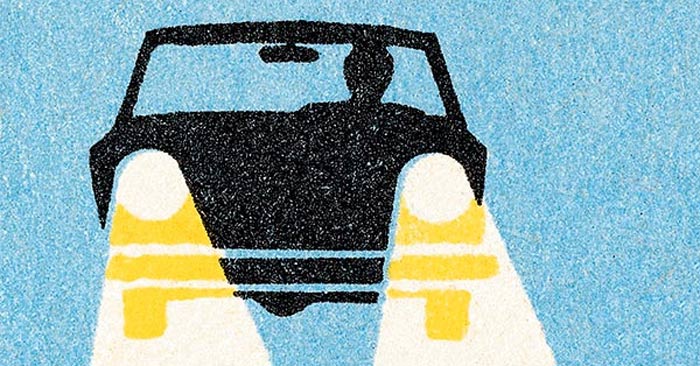
Unsurprisingly, the main reason for this is that we can't see as well in the dark. You see less of the road ahead and have less space and time to stop. Ironically, certain types of light – such as glare from bright headlights – can exacerbate the problem.
Here are some tips that can help reduce the risks of driving at night .
Drive carefully and cautiously
Drinking and driving is a greater risk at night. The rate of fatal drunk driving accidents is reportedly nearly four times higher at night than during the day. Of course, never drink and drive, no matter the time of day (and don't drive while distracted); but at night, you should put your defensive driving instincts on high alert.
Fight fatigue
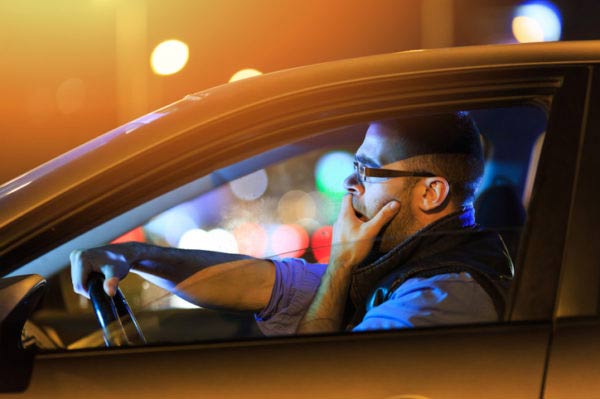
Accidents caused by drowsy driving are most common between midnight and 6 a.m., so be aware that during these hours, stay alert. Drink some caffeine, pull over to a safe area to rest, or pull over for a break. Other things some drivers have reported that help include: turning on the radio (not too loud); rolling down the windows periodically to get some fresh air; and talking or singing to yourself.
Clear vision
A dirty or damaged windshield can scatter light and potentially increase the impact of glare. The agency also reports that dirty or damaged headlights can reduce visibility and dazzle oncoming drivers. So clean your headlights and windshield regularly; you can use a specialized headlight cleaning kit.
Avoid two lane highways
Dual carriageways can be the ' worst case scenario ' for glare at night, due to oncoming headlights, lower overall lighting, and the fact that these roads often have more sharp turns and steeper slopes than freeways. If possible, choose a safer route at night.
Slow down
Speed-related crashes account for 37 percent of nighttime driving deaths — compared to 21 percent of daytime deaths — due to poorer visibility and shorter reaction times. For example, headlights typically illuminate 160 feet (about 58 meters) in front of you, but even at 40 mph (about 64 km/h), it takes you 190 feet (about 57 meters) to stop. Adjust your speed to account for conditions like visibility.
Adjust the headlight angle properly
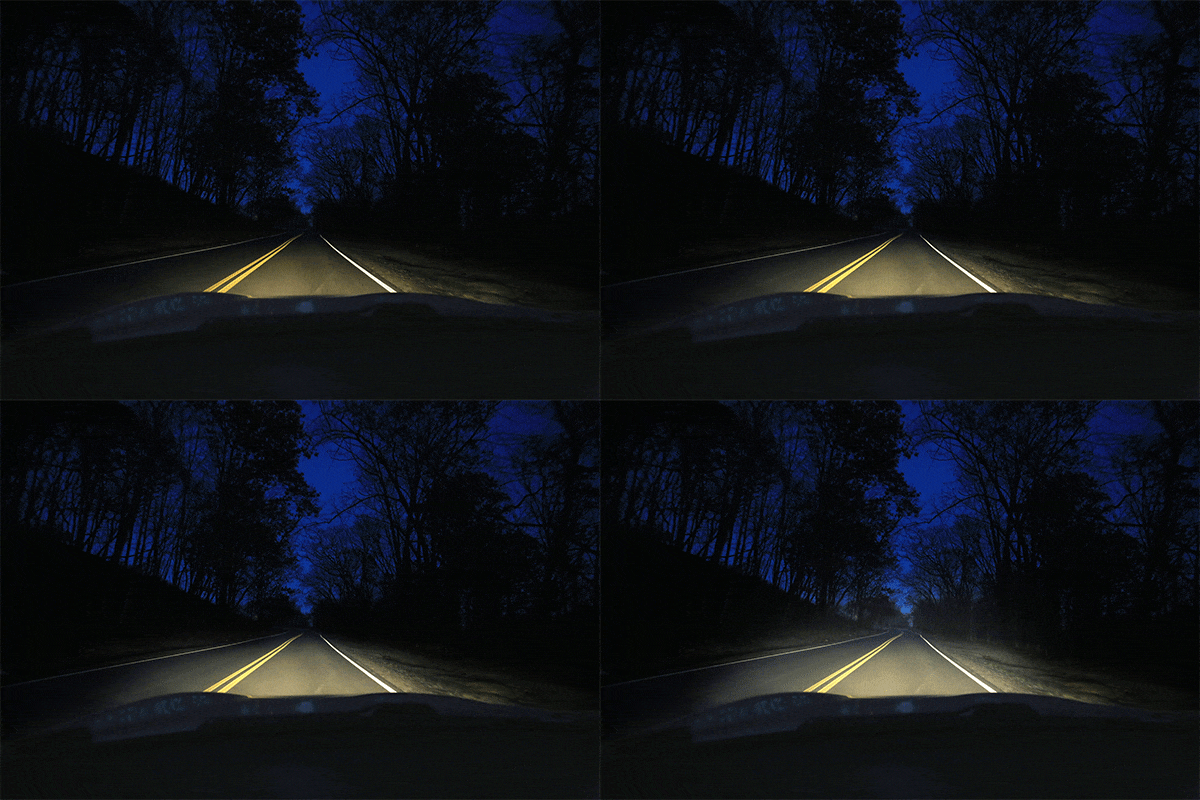
If your headlights are angled too low, you'll miss out on some of the light you need to drive. But if they're angled too high, they can blind oncoming drivers. Be proactive about making sure your headlights are pointed correctly. Consumers should contact a car dealership or repair facility for assistance, as this can be difficult to do on your own.
Use headlights when necessary
High beams are rarely used, but can be very useful in rural areas or on open roads. Just remember to dim your headlights when you are within 500 feet of an oncoming vehicle (so as not to temporarily blind the other driver), and don't use them if you are following another vehicle. If you're in the market for a new car, look for an adaptive lighting system, which automatically adjusts the brightness of your headlights depending on the presence of other vehicles.
Adjust the lighting inside the car
If the dashboard lights are too bright, glancing from the dashboard to the dark road ahead can be disorienting. Dim the interior lighting at night so that important controls are still visible but not distracting. And use sun visors at night to protect you from streetlights and outdoor glare.
Final Thoughts
The development covered in this article is worth following, but specifications, dates, and feature details may change until the relevant company or organization publishes an official confirmation.
FAQ
What is the main development covered in this article?
Driving at night is actually more dangerous than during the day. According to the Traffic Police Department, fatal accidents are three times more likely to occur at night than during the day.
What should you know about Drive carefully and cautiously?
Drinking and driving is a greater risk at night. The rate of fatal drunk driving accidents is reportedly nearly four times higher at night than during the day.
Is every reported detail officially confirmed?
Not necessarily. Product leaks, preview builds, research reports, and early announcements can change. Confirm important specifications, dates, and availability through an official source before making a decision.
Related Articles
 How to Drive at Night: Step-by-Step Guide23 minutes read
 Top App Makes You Safer When Driving6 minutes read
 Great Way to Drive Cars Safely for Women: Safe Driving8 minutes read
 How to Open the Car Door Properly and Safely5 minutes read
 Take a Ride on Tesla's Self-driving Car and Watch the Self-driving Tesla Car Video on the Real Road8 minutes read
 How to Handle Frosted Glass, Blurry Mirror for Drivers When It Is7 minutes read
Reader Comments 0
Sign in with email or Google to join the discussion.