Table of Contents
Rabbits with dark, horn-like growths and squirrels with skin lumps are not turning into “zombies.” Certain viruses can cause striking skin growths, but the rabbit and squirrel conditions are not one new virus spreading across species.
A photograph alone cannot confirm the cause of every lump or patch of hair loss. Wildlife professionals distinguish these conditions from injuries, parasites and other diseases.
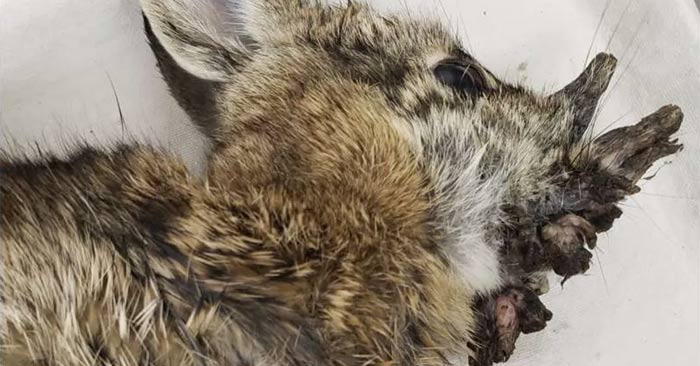
What causes the “horns” on rabbits?
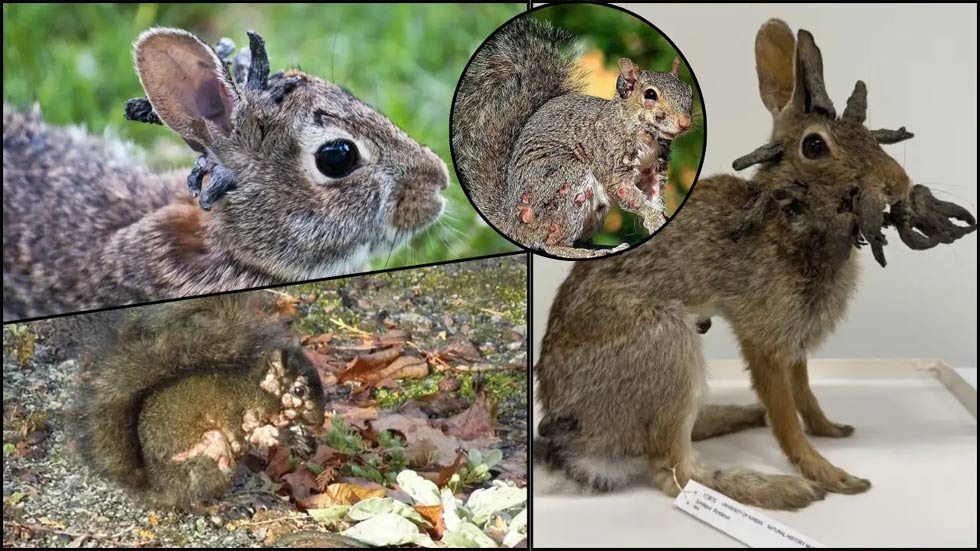
Cottontail rabbit papillomavirus, also called Shope papillomavirus, can cause dark growths on a rabbit's skin, often around its head and neck. The growths can elongate into horn-like projections containing keratin, the material found in hair and nails. They are not deer antlers.
Colorado Parks and Wildlife says most affected wild cottontails can survive and the growths may disappear. The main concern is whether a growth interferes with eating or drinking. An alarming appearance alone does not mean the animal needs to be captured or euthanized.
The infection can be carried by biting insects. Colorado State University's veterinary guidance notes that domestic rabbits can also be affected and may develop more serious disease, including invasive cancer in some cases. A pet rabbit with a new lump should be examined by a veterinarian rather than assumed to have a harmless wart.
Are squirrel growths the same disease?
No. Some squirrels develop fibromas associated with a host-specific poxvirus, often called squirrel pox in North American wildlife guidance. These can appear as firm, hairless skin masses. The name should not be used to diagnose every squirrel with a skin problem or confused with all diseases called squirrelpox elsewhere.
The Pennsylvania Game Commission's fibroma guidance describes transmission through biting insects and, in squirrels, from mothers to young. Many growths regress, although lesions that obstruct vision, feeding or movement can become serious. They are not necessarily pus-filled; ulceration or secondary infection is a separate concern.
Can people or pets catch these viruses?
The rabbit papillomavirus and the host-specific fibroma viruses described above are not known to infect humans. That does not make an unfamiliar sick wild animal safe to touch. Rabbits and squirrels can have other conditions, and handling can injure both you and the animal.
Keep domestic rabbits away from wild rabbits and biting insects as advised by a veterinarian. Do not apply a dog or cat parasite treatment to a rabbit without veterinary guidance.
What to do if you see an affected animal
- Observe from a distance and keep children and pets away.
- Do not pull off growths, feed the animal, apply medication or attempt capture yourself.
- If it cannot eat, drink, move or see normally, contact your local wildlife agency or a licensed wildlife rehabilitator. Describe the location and behavior and provide a photo taken without approaching.
- For a pet rabbit, contact a veterinarian promptly about growths or a change in appetite.
Use the animal's behavior and professional advice to guide the response. Sensational labels such as “zombie virus” obscure the useful distinction between dramatic-looking skin growths and an animal in immediate distress.






Reader Comments 0
Sign in with email or Google to join the discussion.