Table of Contents
Roughly one in ten people are left-handed, but a preferred writing hand tells you little about someone's creativity, personality or health. Handedness is interesting partly because it varies by task and because many everyday objects assume a right-handed user.

About one person in ten is left-handed
A 2020 meta-analysis of human handedness gave a best overall estimate of 10.6%. Estimates varied with how studies measured and classified hand preference.
That qualification matters. A study counting only consistently left-handed people will not produce the same number as one grouping left-handed and mixed-handed participants together. Applying a global estimate to a city's population is not the same as measuring that city directly.
Writing hand is not the whole picture
A person may write with the left hand but prefer the right for another task. Mixed-handedness—using different hands for different activities—is distinct from being equally skilled with both hands on the same task.
When comparing research, check how handedness was assessed. A question about writing alone, a multi-task questionnaire and observed sporting behavior can classify the same person differently.
Are left-handed people more creative?
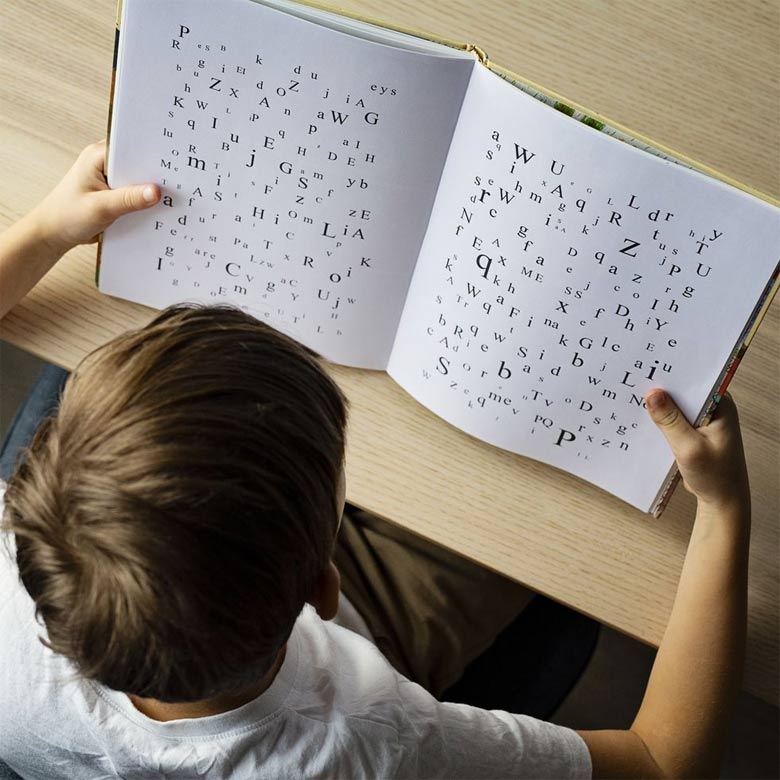
That popular claim is not supported as a general rule. A 2025 review with meta-analyses found no evidence that left- or mixed-handed people were more creative overall than right-handed people on the measures it examined.
The idea that left-handers simply use a “creative right brain” more is also too crude. Creative work involves interacting brain systems, practice and context; a preferred hand is not a creativity test.
What about multitasking and sporting advantages?
There is no sound basis here for promising that left-handed people are better at multitasking. A claim about a brain structure needs specific evidence and does not automatically establish a real-world performance advantage.
Sport is more context-dependent. An opponent may be less familiar with a left-handed stance or angle, and some team positions can make particular use of a left-handed player. That is different from saying left-handers always win more fights or are naturally better athletes. Training, tactics, rules and the level of competition still matter.
Do not use handedness to explain a health problem
Older studies have explored links between hand preference and conditions such as dyslexia or allergies. An association in one study does not establish a cause, a useful diagnostic test or an explanation for an individual's symptoms.
If someone has difficulty reading, persistent allergy symptoms or another concern, assess that problem directly with an appropriate professional. Being left-handed is not a reason to assume a disorder, and being right-handed does not rule one out.
Everyday design often favors the right hand
Scissors, desks, measuring tools and some kitchen equipment can be less comfortable for a left-handed person. The useful response is practical: test the grip, sightline and control layout, and choose a left-handed or genuinely ambidextrous option when needed.
For handwriting, experiment with paper position and a comfortable wrist posture rather than forcing a person to use the other hand. Individual comfort is more useful than a stereotype about how a left-hander should work.
Left-Handers Day is August 13
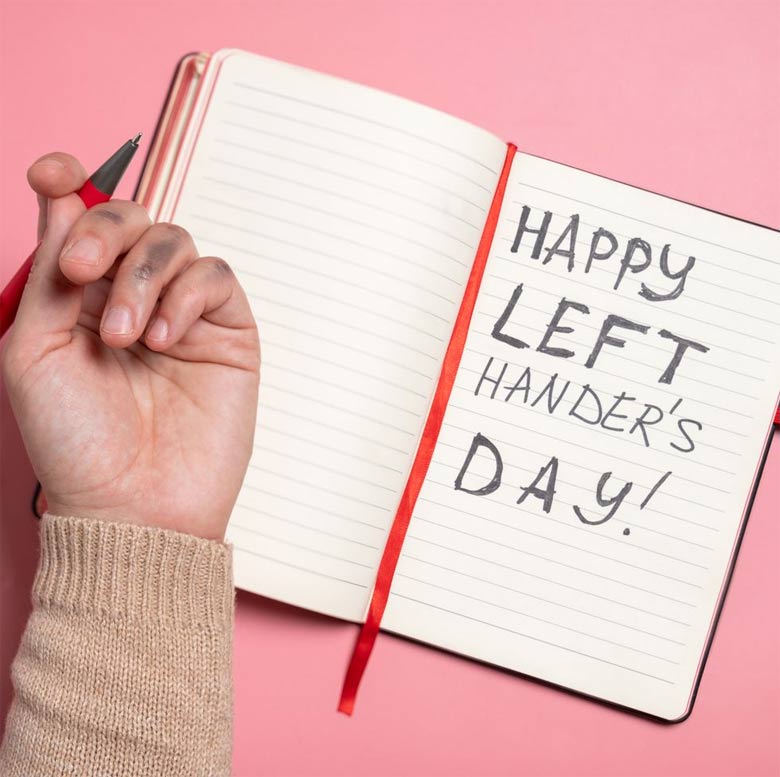
The Left-Handers Day organizers use August 13 to celebrate left-handed people and highlight everyday design barriers. It is a reminder to accommodate differences rather than rank one hand preference above another.
Cultural conventions about giving, receiving or eating with a particular hand vary between communities and situations. Ask politely when unsure, and avoid treating an entire country as having one inflexible rule.
Related Articles
 Why are some people left-handed while most of us are right-handed?
 Set up a computer mouse for left-handed people
 20+ 'bad crying and laughing' situation in life is only left-handed people understand
 Windows 8: Adjust mouse settings for left-handed people
 Impressive numbers when the Earth shrinks with 100 inhabitants
 People with long, thin faces can be left-handed
Reader Comments 0
Sign in with email or Google to join the discussion.