Table of Contents
The Difference Between QLED, OLED and UHD is easier to approach with a clear overview and reliable steps. This guide organizes the essential information, highlights practical details, and explains what to check along the way.
Key Takeaways
- Understand what is QLED.
- Understand what is OLED.
- Understand what is UHD.
What Is QLED?
QLED stands for Quantum-dot Light-Emitting Diode. A QLED display is just like a regular LED display, except it uses ultra-fine particles called 'quantum dots' to enhance brightness and color. In short, displays using QLED technology deliver better color.
Although QLED was introduced by Sony in 2013, Samsung now sells QLED TVs and has partnered with other QLED manufacturers such as Sony, Vizio, Hisense, and TCL.
Quantum dots are tiny particles that glow when light hits them. They are very small, even smaller than viruses! Because their size is precisely controlled, the light they emit can be precisely controlled as well. They are also very stable, so their effect doesn't wear off over time, unlike LED displays, which can suffer from this problem.
However, QLED is not perfect, so Samsung introduced Neo QLED to improve QLED displays with mini-LED technology.
What Is OLED?
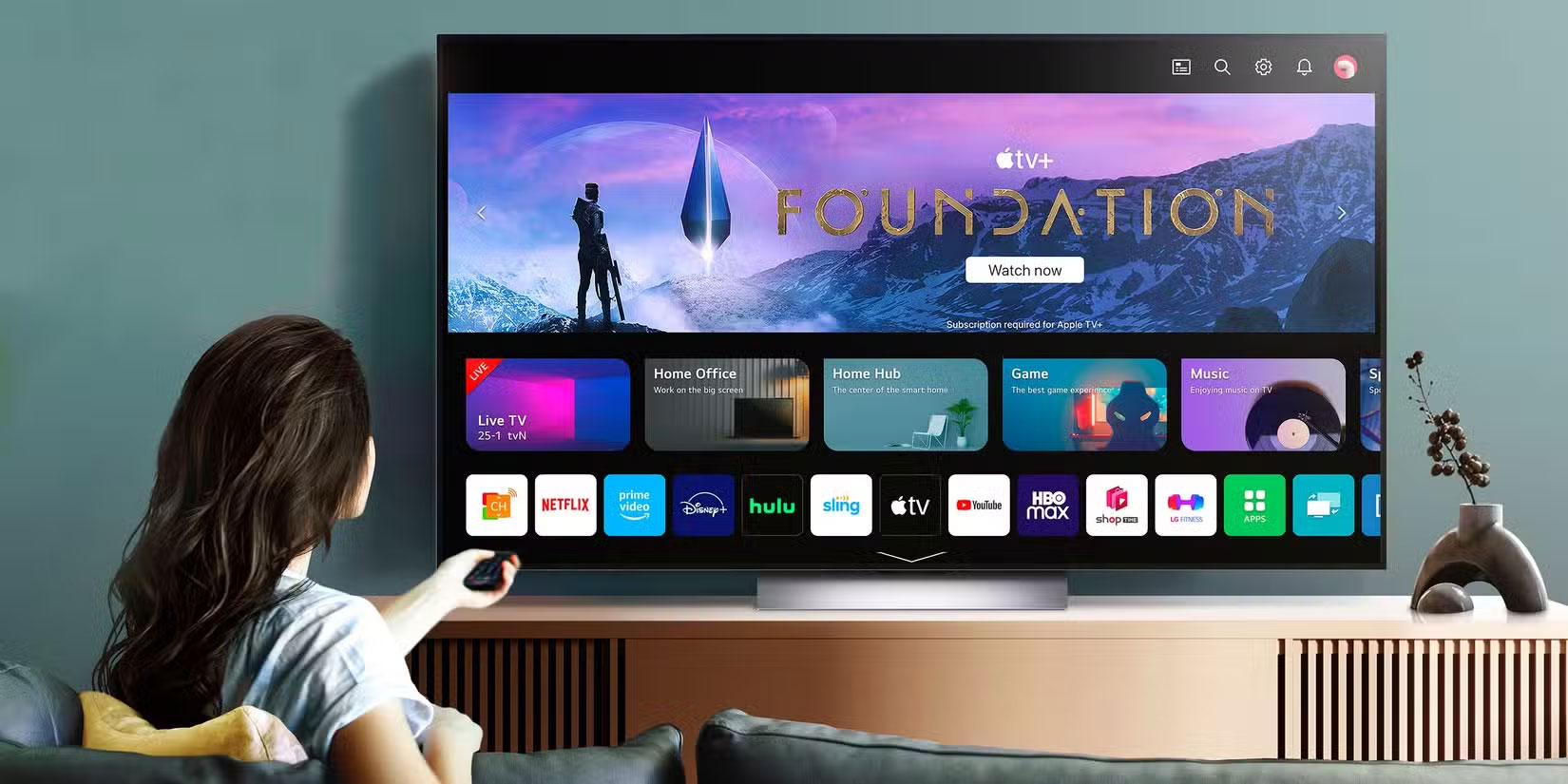
Organic Light-Emitting Diode (OLED) is made of a light-emitting material similar to the heating element in a toaster when plugged in.
As the name suggests, OLEDs are made from organic compounds. The organic compounds work together, as each LED color requires a different composition of organic compounds.
Depending on the amount of current each OLED pixel receives, it will produce different frequencies of light. With a higher current, OLED will produce more light and vice versa. Furthermore, OLED screens will produce extremely dark blacks, with no color bleeding around bright objects on a dark background.
One potential downside to OLED displays is the risk of burn-in, which can occur when static images are left on the screen for long periods of time. A variety of factors, such as the type of content and usage patterns, can contribute to burn-in, so it's something to remember if you're purchasing an OLED TV or display. However, if it does occur, there are ways to fix burn-in on different display technologies, including OLED.
What Is UHD?
UHD is not a type of display technology. Instead, it stands for Ultra High Definition, a display resolution.
This is a step up from Full HD, which is 1920 x 1080, and is called 1080p. Ultra High Definition (UHD) is 4 times this resolution, giving a resolution of 3840 x 2160. Although sometimes referred to as 4K, 4K resolution is actually 4096 x 2160.
QLED can't be compared with UHD because they are not the same. QLED or OLED can be compared with other display technologies like Neo QLED, QD-OLED, and NanoCell. However, we can compare UHD with other display resolutions like Full HD. Technologies like QLED, OLED, and others can all support UHD resolution.
Who Should Buy QLED?
QLED TVs are a great option for anyone looking to buy a new TV without spending a fortune. They offer great value for money and have been refined and improved by Samsung over the years.
There are solid QLED TVs on the market, like the Samsung Q60D and TCL QM7, that don't cost much, but don't expect QLED TVs to deliver the best that OLED technology has to offer.
Who Should Buy OLED?
OLEDs are a great option if you can spend a little more and budget isn't an issue. They have better viewing angles, deeper blacks, and better contrast ratios than QLED displays. Some of the best OLED TVs include LG's C4 and Samsung's S90D.
Who Should Use UHD?
UHD or 4K is a good choice if you have at least $300 to spend on a TV. And if you're willing to do some research, you can get a 4K TV for a little less. With that kind of budget, it would be a little strange to buy anything less than UHD, as 4K is becoming the standard resolution and therefore cheaper.
But if you don't have the budget for 4K UHD and need to buy a TV now, you can go with a cheaper 1080p option and upgrade later. However, if you can wait until one of the best times to buy a TV, you can definitely get a 4K TV for a slightly more attractive price.
Final Thoughts
The most reliable way to handle the difference between QLED, OLED and UHD is to follow the process in order, verify each important setting, and test the result before moving on. Use the guidance above as a practical reference, then adjust the details for your device, software version, or specific goal.
FAQ
What should I know first about The Difference Between QLED, OLED and UHD?
You'll likely come across terms like QLED, OLED, and UHD when you're looking for a new TV.
How do I get the best results with The Difference Between QLED, OLED and UHD?
Use current software or equipment, follow the steps in order, review the recommended settings, and test one change at a time so you can identify what improves the result.
What should I do if The Difference Between QLED, OLED and UHD doesn't work as expected?
Check compatibility, permissions, connectivity, and version-specific settings. Restart the relevant device or app, then repeat the process carefully before trying a more advanced fix.
Related Articles
 Difference Between Qled and Oled TV18 minutes read
 What Is Neo QLED? Is It Better Than QLED and OLED?8 minutes read
 Should I Buy a QLED, OLED or LED TV: Main Insights13 minutes read
 The Difference Between QNED, OLED and QLED7 minutes read
 4 Reasons to Buy QLED TV: What You Need to Know5 minutes read
 What's Special About Smart TV's New Technology?5 minutes read
Reader Comments 0
Sign in with email or Google to join the discussion.