Table of Contents
Start with a variety that fits your space, wait until frost danger has passed, and put its support in at planting time. After that, steady watering and enough airflow make tomatoes easier to manage. How you prune and space them depends on the variety and support you choose.
1. Choosing a variety that outgrows the space
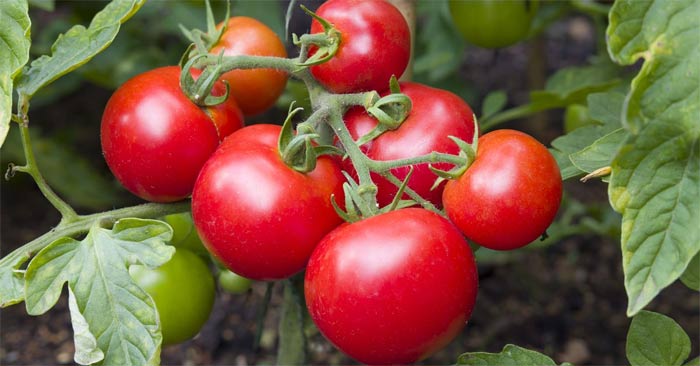
Determinate tomatoes generally stop growing at a set size and produce fruit over a more concentrated period. Look for a compact variety specifically recommended for containers if you have a small patio. Indeterminate varieties keep growing and setting fruit as conditions allow, so plan room for a tall support.
2. Transplanting before the weather warms
Wait until local frost risk has passed and the soil has warmed. If your seedlings have been indoors, gradually introduce them to outdoor light and wind before transplanting. The University of Minnesota Extension tomato guide covers transplant timing and preparation.
3. Crowding the plants
Use the spacing on the plant tag or seed packet as a starting point and account for your support system. Leave enough room to reach the plant and water the soil. Keeping foliage from crowding neighboring plants makes inspection and harvest easier.
4. Waiting too long to add support
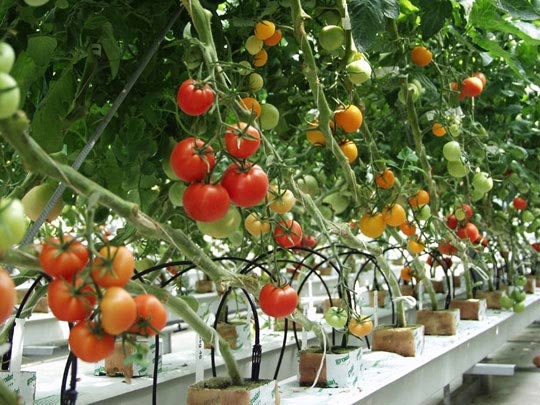
Install a cage, stake, or trellis when you plant. A compact tomato can fit in a cage, while a vigorous indeterminate vine may need a taller trellis or stake. Tie stems loosely with a soft material and check the ties as the stems thicken.
5. Fertilizing without checking the soil
Use a soil test for garden beds when possible, and follow the fertilizer label for the amount and timing. Excess nitrogen can favor leaf growth. In a pot, consider whether the potting mix already includes fertilizer before adding more.
6. Letting the root zone swing from dry to soaked
Water deeply at the base when the root zone needs it, and adjust for rainfall and heat. Containers dry faster than garden beds, so check them more often. Mulch can slow moisture loss in beds. Check the soil before relying on a timer’s schedule.
7. Pruning every tomato the same way
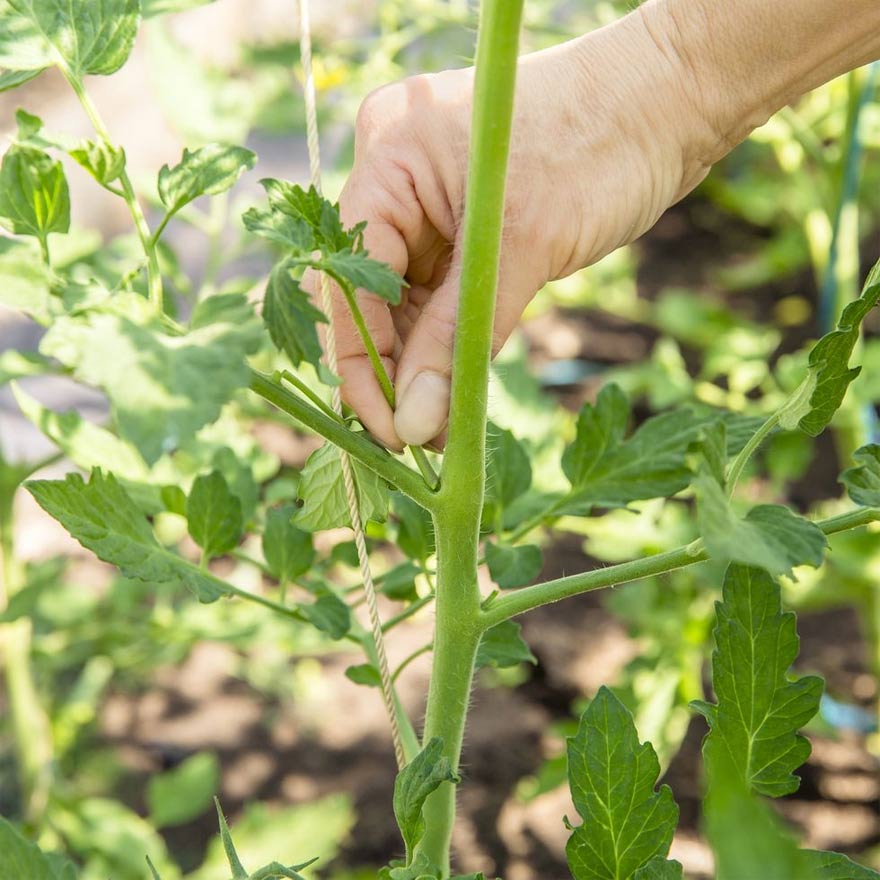
A caged plant can often grow with little pruning. Some gardeners remove selected side shoots on an indeterminate plant trained to a stake. Avoid stripping a determinate plant of healthy shoots that may bear fruit, and clear leaves touching the ground when practical.
8. Leaving ripe fruit on the vine too long
Check plants regularly and pick fruit when it reaches the color and firmness typical of that variety. If you expect heavy rain after a dry spell, you can pick fruit that has begun changing color and let it finish ripening indoors.
Related Articles
 The biggest mistake when growing roses and how to fix it
 Tomato fruit and 11 surprisingly interesting facts that not everyone knows
 Great use of tomatoes with health and beauty
 7 reasons why never making mistakes is the biggest mistake
 The biggest time wasting cleaning mistakes
 7 mistakes you might be making on Canva
Reader Comments 0
Sign in with email or Google to join the discussion.