Table of Contents
Baking soda can work as a mild abrasive on some surfaces. Avoid scrubbing with it when a surface is polished, coated, or easy to scratch. If you don’t know the material or finish, start with the manufacturer’s care instructions and a soft cloth.

Delicate metal and jewelry
Skip baking soda paste on plated jewelry, soft metals, and unfamiliar finishes. Rubbing can dull the surface, and settings and stones may need different care from the metal. Use a jewelry cloth approved for the finish or ask a jeweler. For coated or anodized aluminum, check the product’s cleaning instructions to avoid discoloration.

Screens and electronics
Power the device down and unplug it. Wipe loose dust with a soft, lint-free cloth and keep moisture out of openings. Follow the manufacturer’s instructions before using water or a screen cleaner. See how to clean an iMac screen or check Apple’s care instructions for special display coatings.
Polished marble or granite
Use a cleaner suitable for the stone and finish. The Natural Stone Institute recommends gentle routine cleaning. Wipe up spills promptly. Avoid scrubbing with a gritty paste, and avoid vinegar or lemon on acid-sensitive stone such as marble.
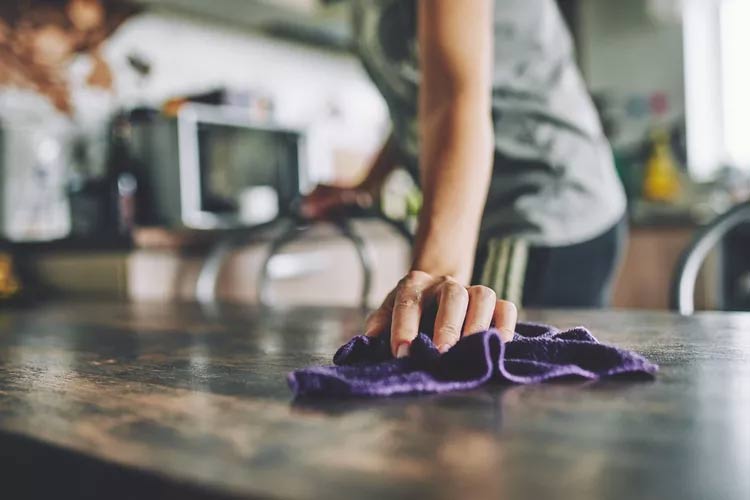
Finished wood furniture and floors
First remove loose grit with a soft cloth or the appropriate vacuum attachment. Use a product approved for the finish and avoid soaking seams. If the finish is unknown, test in an inconspicuous spot before treating a larger area.
Leather and suede
Check the care label. Start by blotting spills without rubbing. Smooth finished leather, untreated leather, and suede can require different methods. A gritty paste can mark the finish or leave residue in creases.
Coated glass and mirrors
Use a soft microfiber cloth and a cleaner approved for the particular glass. Avoid abrasive pastes on tinted, treated, or coated surfaces. Apply liquid to the cloth rather than letting it collect at mirror edges.
Related Articles
 How to use baking soda to clean clothes and deodorize
 What miracle will happen if you sprinkle baking soda on the mattress bed?
 Tips to clean the hood quickly and simply at home
 How to Clean Battery Terminals
 Gently 'water turns into ice' in a flash. Too simple
 How to clear the drain hose when clogged with vinegar simple and effective
Reader Comments 0
Sign in with email or Google to join the discussion.