Table of Contents
This updated guide examines Samsung Patents a Smart Clothing, Taking Power from the Wearer to and organizes the essential facts, background, and practical takeaways in clear American English.
In the patent image below, we can see this suit is equipped with sensors placed in different positions, so it can basically be applied on any kind of clothing, from coats, pants, hats, gloves to shoes.
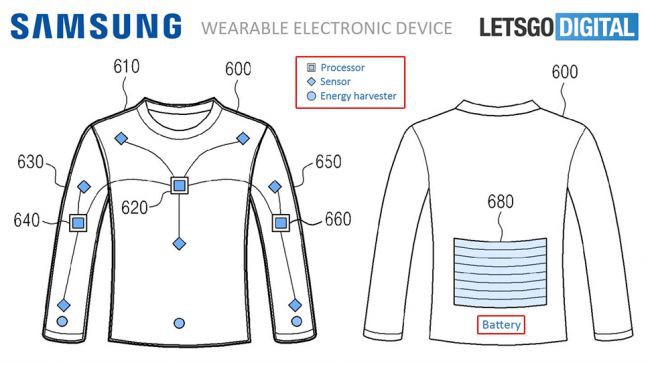
The production of power for use through clothing and the wearer's movement is really an effective way to increase the battery life between each charge of your devices. However, this idea is especially useful when you are in wilderness, remote areas and have no opportunity to access the power.
Of course, this is just a patent, and not every patent will become a product. Today, we can only be certain that Samsung is researching this idea, and they are very serious about entering the smart clothing market with a very energy efficient product..
It is known that this patent has been registered by Samsung in Korea last year, so it is likely that this product is in the final stage. Who knows if we can see this smart outfit at CES 2018 in January?
Reference: TechRadar
Samsung continued to record record profits in Q4 / 2017 thanks to its memory chip business.
FAQ
What is Samsung Patents a Smart Clothing, Taking Power from the Wearer to about?
It provides a structured overview of Samsung, explains the main context, and highlights practical takeaways for readers.
Why does this topic matter?
Understanding the main concepts helps readers evaluate the issue, avoid common mistakes, and make better-informed decisions.
How should readers use this information?
Use the guidance as a practical starting point, confirm details that may have changed, and follow current product, safety, or security recommendations.
Related Articles
 5 Extremely Useful Features on Samsung Smart TV You May Not Know Yet9 minutes read
 Device to Charge the Phone with Water and Wind for Phượt People2 minutes read
 How to Play Music from Phone to Samsung Smart TV by Bluetooth5 minutes read
 How to Connect Your Phone to a Samsung TV: Practical Guide8 minutes read
 Samsung Is Sued for Copyright Infringement on the Galaxy S Line4 minutes read
 Charge Phone with Battery: Step-by-Step Guide4 minutes read
Reader Comments 0
Sign in with email or Google to join the discussion.