Table of Contents
This article provides a clear overview of Prehistoric Home Builders Living Through the Ice Age from, with the main facts, useful context, and practical details organized for easy reading.
In the 1960s and 1970s, researchers found 2 smaller "mammoth houses". One is 500 km south of Moscow, the other belongs to the Kostenki region. The latest work was also found in Kostenki, which led to the decision to establish a prehistoric archaeological museum in the area.
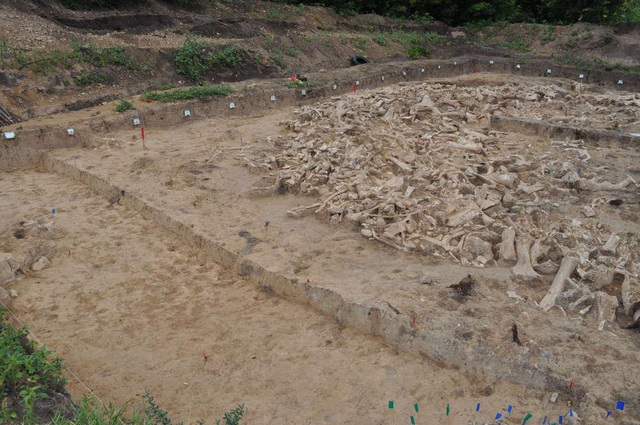
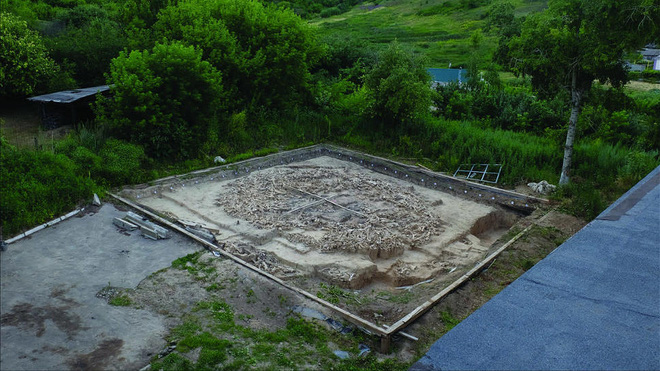
Dozens of mammoth skeletons have been found
So far, researchers have completely re-assembled the skeleton of 51 mammoths. Fourteen boxes of this animal were also found during the excavation.
Alexander Pryor, head of the archeology team, said: "The whole team felt a shiver when they first saw this architecture. It was larger than any similar structure ever discovered. Around the area were also found. big mammoth traps. Imagine this, a mammoth was killed by traps, while their bones were assembled into an architecture nearby. "
Based on previous discoveries, the researchers believe that this type of architecture was built by prehistoric Palaeolithic people with the purpose of providing refuge in the harsh winter of the Ice Age.
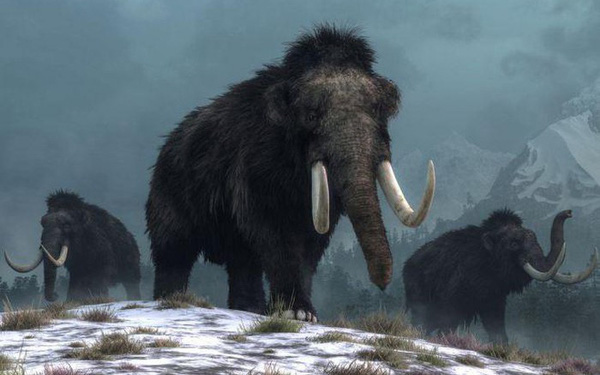
Mammoths and prehistoric humans both lived in the harsh cold period of the Ice Age.
However, the "mammoth house" architecture in Kostenki left researchers with a headache. Building a gigantic structure from hundreds of mammoth bones, which are extremely heavy in weight, will take a lot of effort.
In addition, studies also show that the number of prehistoric people living in Kostenki is quite small, only a few groups. Moreover, the habit of hunter-gatherer always motivated prehistoric people to find new lands. So who stayed behind in Kostenki to build such monumental works?
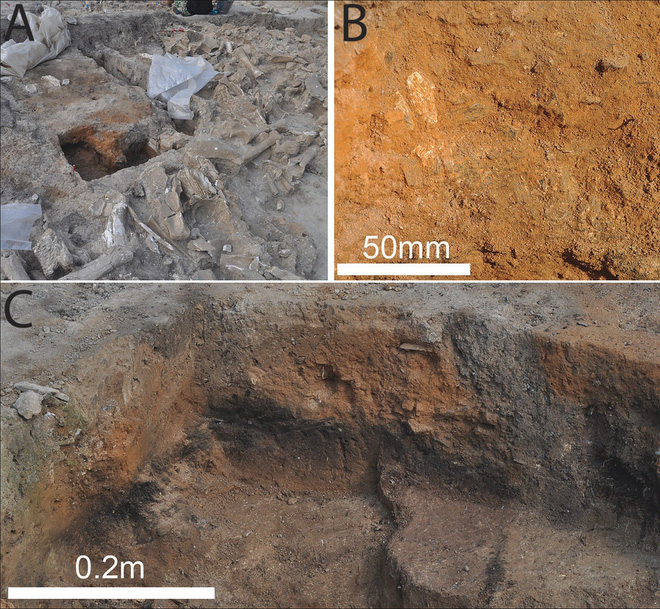
Another surprising thing, Kostenki's "mammoth house" shows no signs of ever being inhabited by humans. Therefore, the purpose of construction of this work has not been clarified.
FAQ
What is the main focus of Prehistoric Home Builders Living Through the Ice Age from?
The article explains the most important facts, context, and practical details related to Prehistoric Home Builders Living Through the Ice Age from.
Who may find this information useful?
It is useful for readers who want a clear overview, practical context, and a better understanding of the subject.
What should readers verify before taking action?
Check current product versions, official requirements, regional availability, and any details that may have changed since the original publication.
Related Articles
 Location 10 Prehistoric Fish Bone in Fisch Roblox6 minutes read
 10 Legendary Creatures Can Be Real: the Legendary Creature8 minutes read
 This Is the Most Frightening Monster in Earth's History, the Tyrant4 minutes read
 Latest Fantastic Beasts Codes and How to Redeem Codes6 minutes read
 10 Prehistoric Giant Animals Are Easily Confused with Dinosaurs5 minutes read
 The Rare Giant Living Fossil Salamander Stuck Two Years3 minutes read
Reader Comments 0
Sign in with email or Google to join the discussion.