Table of Contents
Nobody thinks of a parking permit as a financial instrument. But increasingly, that's exactly what it is.
Nobody thinks of a parking permit as a financial instrument. But increasingly, that's exactly what it is. The infrastructure supporting how drivers access, pay for, and manage parking is being rebuilt around the same digital payment rails, subscription logic, and mobility data flows that power platforms like Uber and payment networks like Visa. The physical permit — that sticker on the windshield or hangtag on the mirror — is now one component in a larger access and billing ecosystem. And the way that physical component performs has direct consequences for how well the digital layer functions.
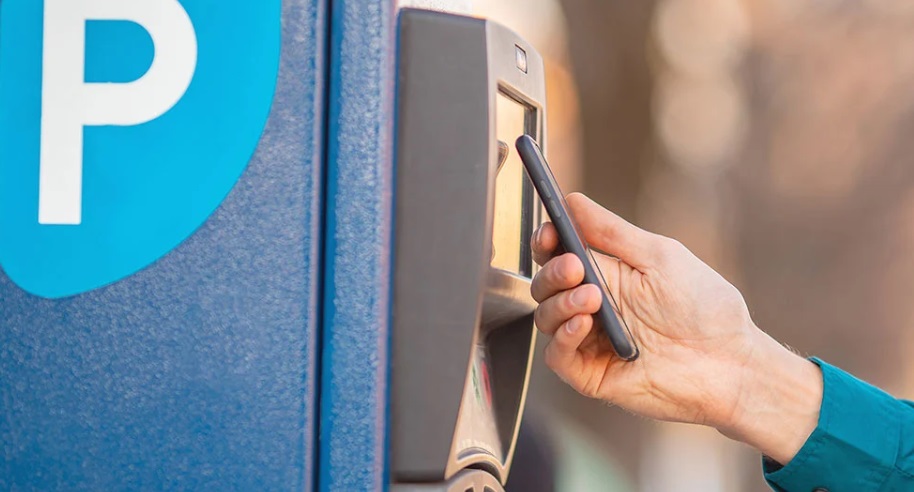
The intersection of parking permit technology and FinTech integration is more operationally significant than it looks from the outside. Getting it right requires thinking about the physical and digital sides of the system together, not as separate problems managed by separate teams.
Digital Wallets and Subscription Models Are Rewriting How Parking Access Works
The shift from one-time permit purchases to subscription-based parking access is following a pattern that's played out across transportation broadly. Monthly parking subscriptions billed to a digital wallet, employer-sponsored transit benefit accounts that cover both transit and parking costs, dynamic pricing models that adjust rates based on occupancy — these are no longer experimental features in major metro markets. They're becoming standard expectations.
Payment networks like Visa have invested heavily in transit and mobility integrations, enabling tap-to-pay parking at meters, garages, and gated facilities that previously required cash or proprietary access cards. The back-end infrastructure connecting these payment events to permit validation, billing reconciliation, and occupancy data is genuinely complex. A subscriber who pays monthly through a digital wallet needs their physical permit — or their license plate, or their mobile credential — recognized consistently across every access point in the system. When any part of that recognition chain breaks down, the billing and access experience breaks with it.
The Physical Permit Remains a Critical Link in an Otherwise Digital Chain
Here's where the operational reality gets interesting. For all the investment in digital access infrastructure, physical parking permits are still widely used — in residential neighborhoods, on university campuses, in employer parking programs, and at facilities where license plate recognition systems haven't yet been deployed. In those contexts, the physical tag is the access credential. Its failure means enforcement problems, disputed billing, and the kind of friction that erodes trust in the broader parking management system.
This is why parking permit tag durability tips matter more in a FinTech-integrated environment than they did when parking was entirely cash-based. A permit that fades, delaminates, or loses adhesion mid-subscription period creates a gap between the digital billing record and the physical credential an enforcement officer can verify. That gap generates disputes, exceptions, and manual resolution costs that undermine the efficiency gains the digital system was supposed to deliver. Material selection, adhesive performance, and UV resistance aren't just procurement considerations — they're system reliability considerations.
Automated Billing Systems Depend on Consistent Credential Recognition
Automated billing in parking management works cleanly when credential recognition is unambiguous. License plate recognition cameras need a legible plate. RFID readers need a tag with an intact transponder. QR-code-based access systems need a scannable code that hasn't been obscured by sun damage or surface wear. When the recognition event fails, the billing logic fails with it — either charging the wrong account, failing to charge, or generating an exception that requires human intervention to resolve.
Mobility platforms integrating parking into broader transportation accounts face this problem at scale. An Uber driver using a platform-managed parking benefit, or a corporate fleet vehicle enrolled in an automated parking billing program, depends on credential consistency across potentially hundreds of access events per month. The tolerance for recognition failure in those high-frequency use cases is very low.
Designing Parking Programs That Hold Up on Both Sides of the System
The parking programs that function reliably within modern FinTech ecosystems are the ones designed with both layers in mind from the start. On the digital side, that means clean API integrations between parking management software, payment processors, and mobility platform accounts. On the physical side, it means specifying permit materials and credential formats that perform consistently across the environmental conditions and use frequencies the program actually involves.
Procurement teams selecting permit tags based on unit cost alone frequently discover that the savings evaporate in enforcement disputes, reissuance costs, and customer service load. The total cost of a permit failure in a subscription-billed, digitally integrated parking program includes every downstream touch required to resolve the gap between what the billing system recorded and what enforcement can verify on the ground. Designing that failure out of the system — by specifying physical credentials that match the durability demands of the access model — is a straightforward investment with a clear return.
Related Articles
 What Is Fintech? the Potential and Role of Fintech in the5 minutes read
 How to Park in a Parking Lot: Step-by-Step Guide12 minutes read
 Top Trends in Fintech App Development5 minutes read
 Fintech Software Development Explained15 minutes read
 The Impact of FinTech Innovations on Users and Industries: Complete Overview7 minutes read
 Playerunknown's Battlegrounds Keyboard Shortcut6 minutes read
Reader Comments 0
Sign in with email or Google to join the discussion.