Table of Contents
“Milk tea” hair color is a family of soft beige-brown shades inspired by tea mixed with milk. Depending on the formula, it can lean warm and caramel-like, cool and smoky, or carry a pink, violet, or green cast. The right result depends on your starting color, hair condition, previous dye, and the exact reference photo—not only the shade name on a chart.
What to know before choosing a milk tea shade
- Bring pictures. Names such as “honey milk tea” are not standardized across salons or dye brands. Show two or three references in similar lighting.
- Check the starting level. Deep natural hair may need lightening before pale beige, gray, pink, or mint tones will be visible. A darker chocolate or caramel variation may require less lift.
- Consider maintenance. Cool, smoky, and pastel tones usually show warmth as they fade. Ask how often glossing, toning, or root service is likely to be needed for your specific formula.
- Assess hair condition. Previously bleached, relaxed, permed, or damaged hair may not tolerate another aggressive process. A professional can use a strand test to check the likely result and condition.
- Do not rely on “skin-brightening” promises. Lighting, makeup, contrast, and personal preference all affect how a color looks. Compare warm and cool swatches beside your face.
If you want to test the general direction before committing, one of these iPhone hair-color preview apps can provide a rough mock-up. A screen preview cannot predict how dye will react with your hair, but it can help you compare families of color.
10 milk tea hair colors to show your colorist
1. Light beige milk tea
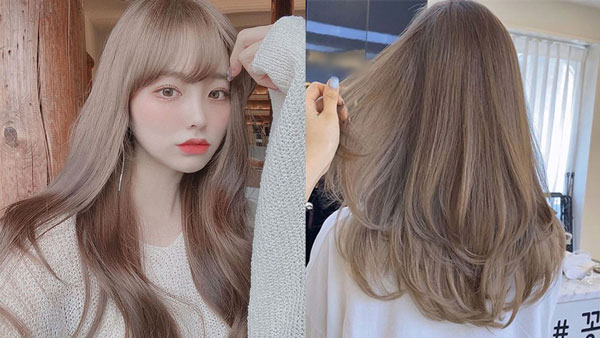
This pale beige-brown is the closest match to the drink that inspired the name. It creates a soft, low-contrast look on an already-light base. On dark hair, reaching this level may involve substantial lightening, so ask whether the goal is realistic in one appointment and how the process could affect your hair.
2. Smoky gray milk tea
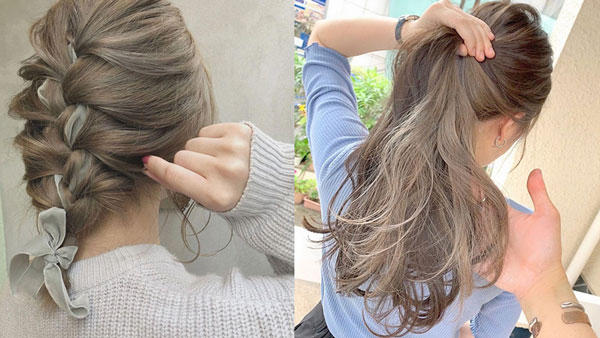
Gray or ash toner cools the beige base and reduces visible orange warmth. This option is useful when you prefer a muted result rather than a golden one. Because cool pigments can fade and reveal warmth underneath, discuss toning products and how to avoid overusing purple or blue shampoo.
3. Honey milk tea
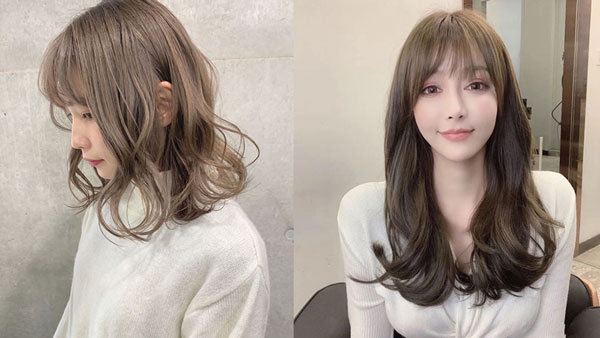
Honey milk tea combines beige-brown with gold or a restrained orange tone. It is warmer and often looks richer than the light beige version. A deeper formula can be a practical choice if you want visible warmth without lifting dark hair to a very pale base.
4. Caramel milk tea
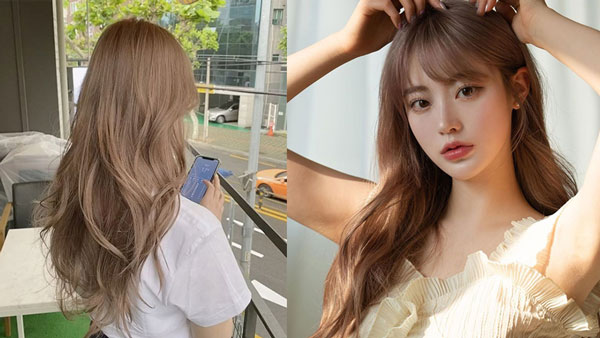
Caramel milk tea sits between warm beige and light orange-brown. It works well as an all-over color, balayage, or face-framing highlight. Ask for enough depth at the roots if you want softer grow-out and less frequent maintenance.
5. Rose milk tea
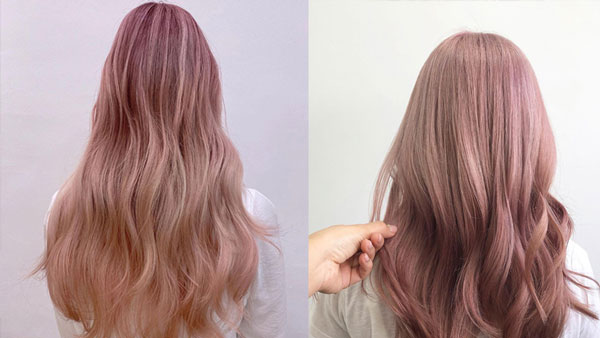
This version adds muted pink to a beige-brown base. The amount of pink can range from a subtle blush visible in bright light to a clear pastel. Pink usually appears most accurately on an evenly lightened base; on a warmer base it may read as peach.
6. Misty taupe milk tea
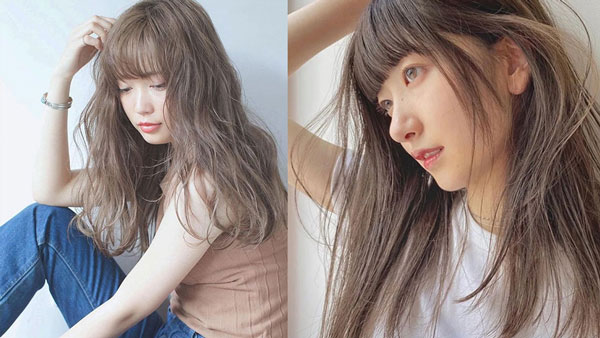
A taupe or “misty” formula balances brown, beige, and gray. It is less silver than smoky gray and less golden than honey. This middle ground can suit people who want a neutral, understated result, but the exact balance should be adjusted to the warmth already present in the hair.
7. Classic milk tea brown
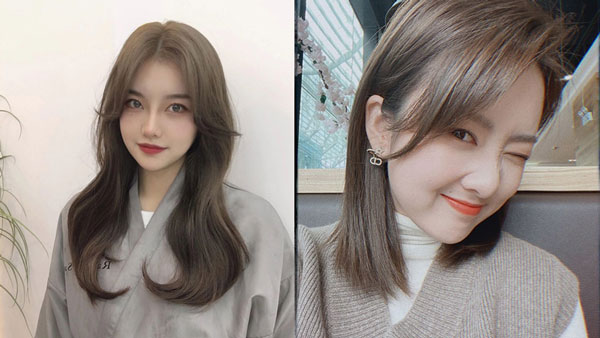
Classic milk tea brown keeps more natural-looking depth than the pale versions. It is a versatile option for an all-over color or soft highlights, especially if your priority is a beige impression rather than a pastel finish.
8. Chocolate milk tea
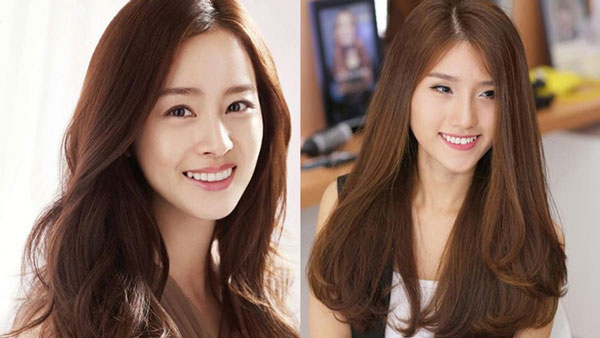
Chocolate milk tea is the deepest shade in this group. It combines medium-to-dark brown with a creamy beige cast. Because it stays closer to many naturally dark starting colors, it may offer a lower-contrast grow-out than light beige or gray—although the required process still depends on existing color.
9. Mint milk tea
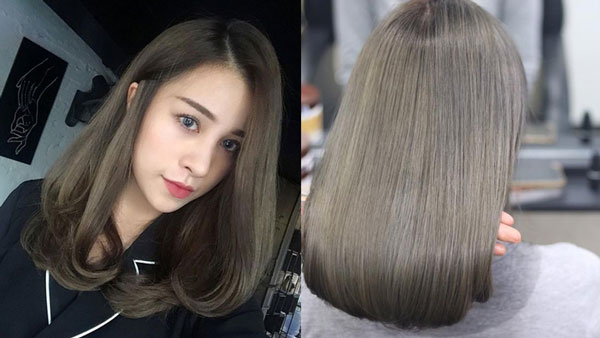
Mint milk tea adds a restrained green tone to cool beige. It is a creative color rather than a natural brown, and an even, light base is normally needed for a clean pastel effect. Ask how it is expected to fade and which shades may appear between salon visits.
10. Berry milk tea
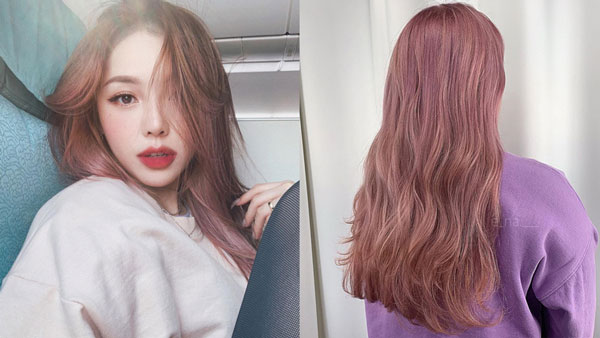
Berry milk tea blends beige or smoky brown with pink-violet. More brown makes it wearable and muted; more violet creates a bolder result. A strand test is particularly useful because yellow or orange undertones can change the final berry tone.
How to compare the shades
| Shade | Undertone | Overall effect | Typical maintenance concern |
|---|---|---|---|
| Light beige | Neutral | Pale and creamy | Dark roots and returning warmth |
| Smoky gray | Cool | Muted and ashy | Ash toner fading |
| Honey | Warm | Golden and soft | Warmth becoming too orange |
| Caramel | Warm | Rich and dimensional | Maintaining highlight contrast |
| Rose | Pink | Blush or peachy | Pastel pigment fading |
| Taupe | Neutral-cool | Balanced and misty | Neutral balance shifting |
| Chocolate | Neutral-warm | Deep and natural-looking | Keeping shine and tonal richness |
| Mint or berry | Creative | Pastel or fashion color | Uneven fade on a porous base |
For a broader set of reference images, browse these hair-color ideas; treat the gallery as visual inspiration rather than a current trend ranking.
Hair-dye safety and aftercare
Follow the product instructions and the advice of a qualified colorist. The US Food and Drug Administration recommends performing the product's skin test before every use, wearing gloves, keeping dye away from the eyes, not using scalp hair dye on eyebrows or eyelashes, timing the process, and rinsing the scalp thoroughly; see the FDA's hair-dye safety guidance. Do not apply dye to an irritated or damaged scalp. Seek urgent medical help for trouble breathing or severe swelling.
- Use a gentle shampoo and conditioner suitable for color-treated hair.
- Limit unnecessary high heat and use heat protection when styling.
- Ask before combining bleach, permanent dye, relaxers, or perms close together.
- Arrange a strand test when the hair has previous color or an uncertain history.
- Get a personalized maintenance plan instead of assuming every milk tea shade fades attractively.
The best milk tea color is the one your starting hair can reach safely and that you are willing to maintain. Save the reference photo you like, note whether it is warm or cool, and confirm the realistic result before the service begins.
Related Articles
 The Most Flattering, Beautiful, and Trendy Hair Colors Of 20267 minutes read
 50+ Beautiful Hair Colors 20203 minutes read
 Beautiful Hair Color for the Summer of 20203 minutes read
 Beautiful Hair Color Palette 20203 minutes read
 Dye Hair: The Coolest Browns in 20203 minutes read
 Simple Habits of People with Beautiful Skin: Explained8 minutes read
Reader Comments 0
Sign in with email or Google to join the discussion.