Table of Contents
A round face is generally close in width and length, with a curved jawline. A haircut can emphasize that shape or create a longer, more angular silhouette through height, asymmetry, and tighter sides. Neither direction is inherently better, and facial fullness is not an imperfection that must be hidden.
The practical question is which cut works with your hair texture, density, growth pattern, and styling routine. Use these 16 references to discuss placement with a barber rather than expecting the same cut to look identical on every person.
How a haircut changes the silhouette
- Height on top can make the overall outline appear longer.
- Shorter sides reduce visual width, while full curls at the temples add it.
- A side part or diagonal fringe introduces asymmetry and breaks a circular outline.
- A straight, low fringe can emphasize width by creating a horizontal line.
- A beard, glasses, hairline, and head shape also affect the total proportion.
16 men's hairstyle ideas for round faces
1. Undercut with longer top
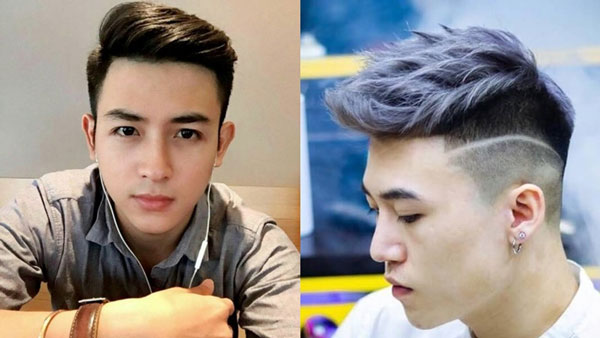
The very short sides of an undercut narrow the hair silhouette, while the longer top can be lifted or swept diagonally. Choose a blended undercut for softer grow-out or a disconnected one for stronger contrast.
2. Tall spiky crop
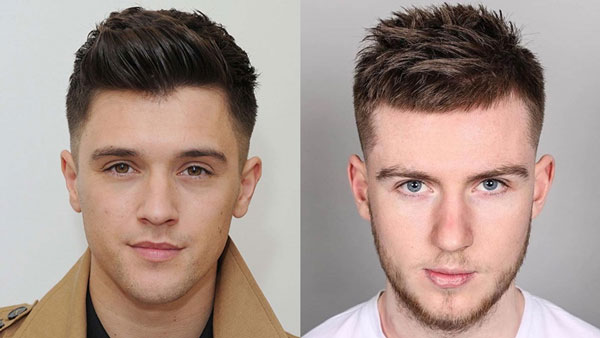
Spikes direct the eye upward and expose the forehead. Keep the sides controlled and use only enough product to create separation; an overly wide, rigid top can defeat the intended shape.
3. Center-parted curtains
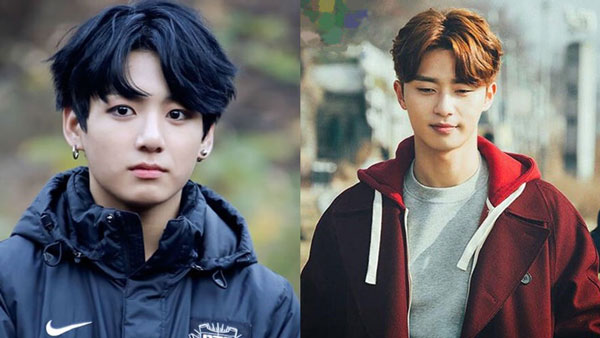
Curtain hair frames both sides of the face. A longer, slightly curved fringe creates vertical lines, while a very wide, flat curtain can add width. The cut needs enough length and a cooperative natural part.
4. Side-swept fringe
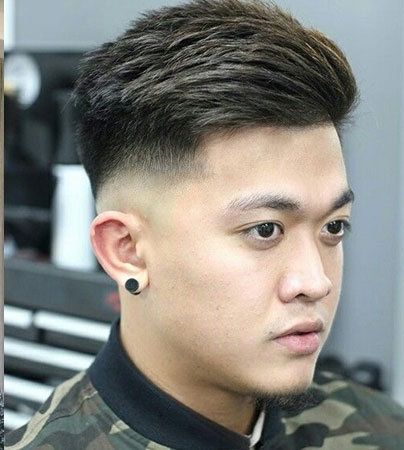
A diagonal fringe introduces asymmetry without requiring extreme height. Ask where the fringe should end and whether your cowlick will let it sweep in the photographed direction.
5. Curly top with tapered sides
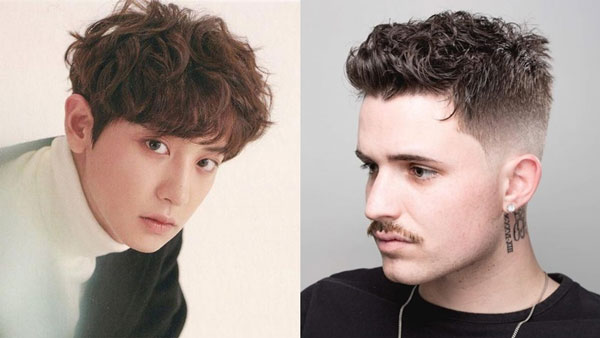
Natural or permed curls can add height and texture. A taper keeps the sides from becoming too wide, but the curl pattern should retain enough length to form rather than being thinned into frizz.
6. Layered quiff
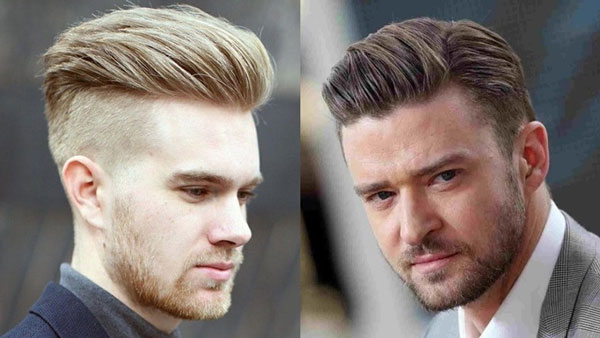
A layered quiff combines upward movement at the front with separated texture through the top. It is less smooth than a pompadour and usually benefits from blow-drying plus a light matte product.
7. Short quiff
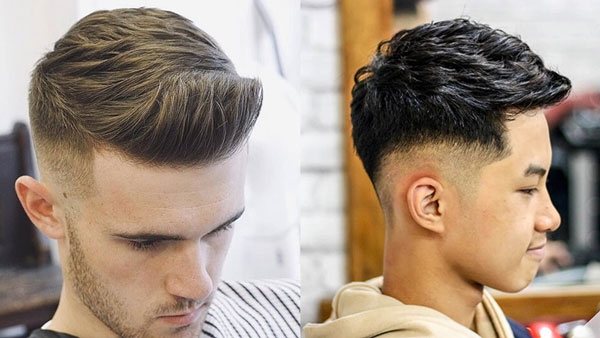
A compact quiff provides modest height while staying practical for work and warm weather. It can be paired with a low taper, fade, or scissor-cut sides depending on how sharp you want the contrast.
8. Classic slick back
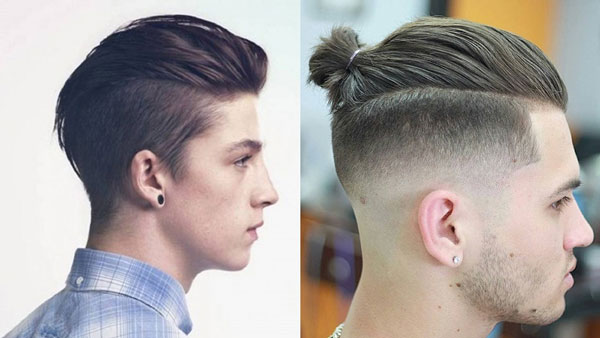
Combing the top back opens the forehead and creates front-to-back length. A low-volume slick back looks refined; adding excessive height is not necessary. Choose product by the amount of shine and movement you want.
9. Swept back with a lower hairline
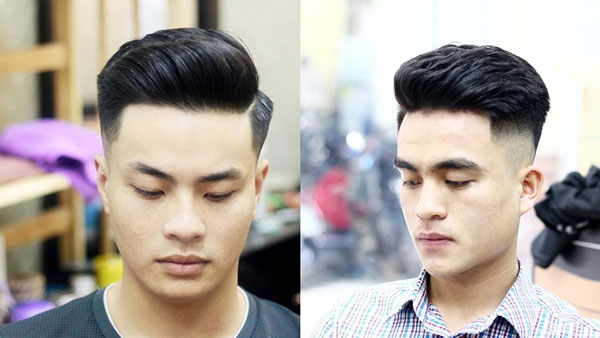
A swept-back top does not actually conceal a high forehead; it exposes it. If forehead coverage matters, keep a side-swept or forward fringe. If you prefer the open look, use short sides and controlled top volume for a clear silhouette.
10. High-volume brush back
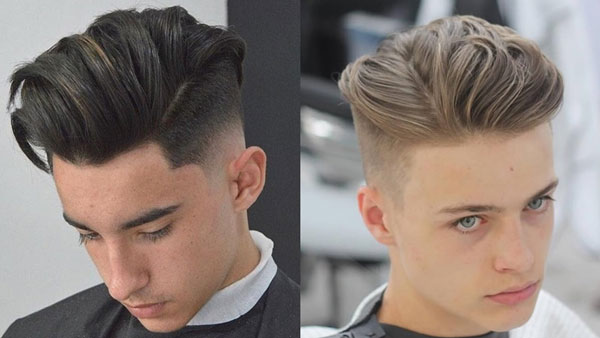
This style lifts the front and directs it back with a softer finish than a slick back. Thick hair may need weight removed; fine hair usually needs a light product that will not collapse the lift.
11. Asymmetrical messy texture
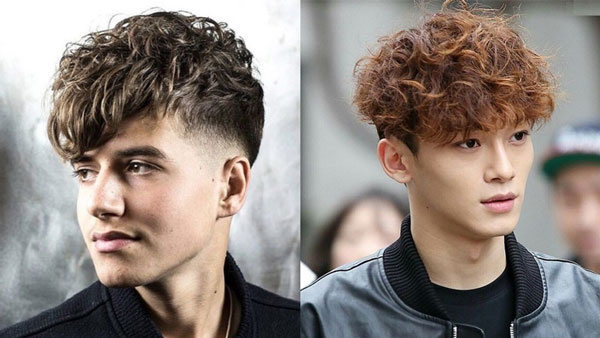
Tousled pieces and an off-center direction interrupt symmetry. The finish should still be supported by a deliberate cut; otherwise “messy” styling becomes difficult to reproduce.
12. Off-center side part
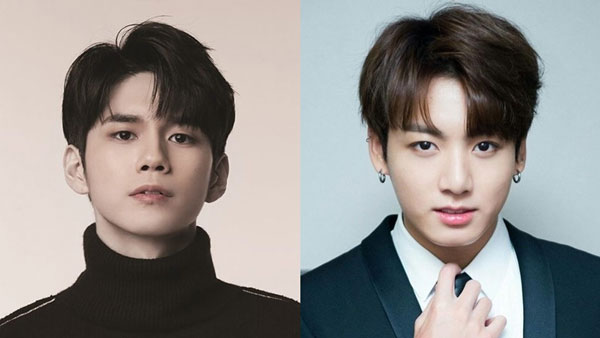
An off-center part shifts volume and can be worn smooth or softly curled. Follow the natural part when possible, or expect to train the hair with heat and product.
13. Classic taper
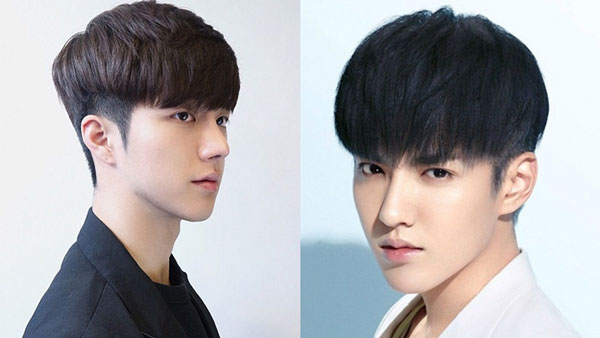
A classic taper gradually shortens around the ears and nape without exposing as much scalp as a fade. It is a versatile, lower-contrast alternative for people who want a clean cut without dramatic top height.
14. High fade with textured top
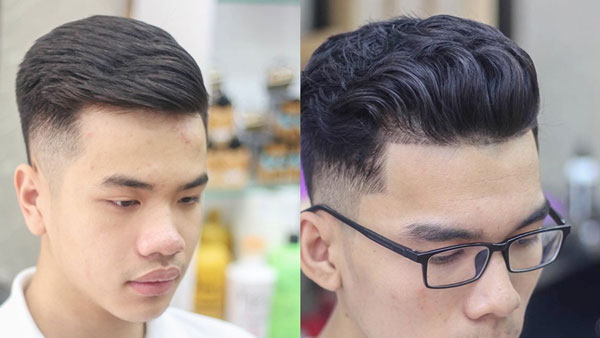
A high fade removes most side volume and makes the top the focal point. The crisp transition needs regular maintenance; a mid or low fade gives a softer grow-out.
15. Short spiky fringe
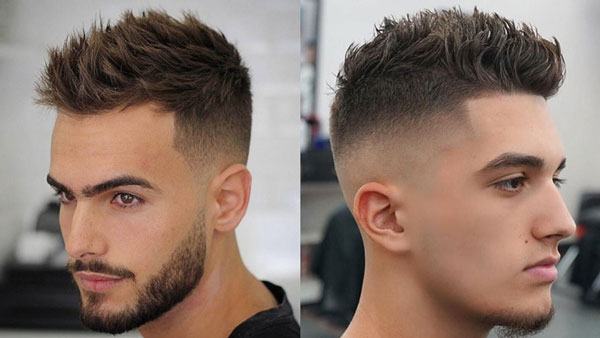
A short, upward fringe is easier to style than long spikes and can add a little height to a compact crop. Confirm that the front is long enough to stand without excessive gel.
16. Buzz cut
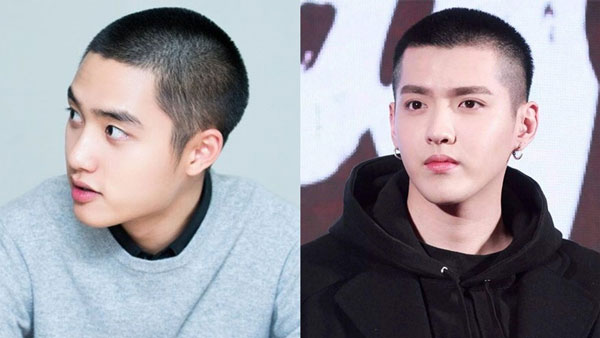
A buzz cut does not try to elongate or conceal the face; it creates a simple, close outline that emphasizes natural head and facial shape. Guard length, taper, lineup, and beard design can all customize it.
Choose by routine, not only face shape
| If you want... | Consider | Expect |
|---|---|---|
| Minimal daily styling | Buzz cut, classic taper, short crop | Regular barber cleanup for a crisp outline |
| More visual height | Quiff, spikes, brush back | Blow-drying and a suitable holding product |
| Soft face framing | Curtains, side-swept fringe, curls | More fringe and texture management |
| Strong contrast | Undercut or high fade | Visible grow-out and frequent side maintenance |
| Flexible professional style | Side part, taper, short quiff | Moderate styling with several finish options |
What to ask your barber
- Does the photo show hair texture and density close to mine?
- How high should the fade or taper begin?
- How much side width should remain?
- What is the shortest acceptable fringe and top length?
- Will my cowlick or hairline change the direction?
- What drying technique and product reproduce the finish?
- How will the shape look after several weeks of growth?
For more references, compare this larger gallery of short men's hairstyles for round faces, these men's layered haircut ideas, and these undercut variations. The galleries are useful for pictures even when their year labels are old.
A useful way to compare reference photos
Cover the model's face in each image and look only at the hair outline. Note the height above the head, width at the temples, direction of the fringe, and amount of scalp visible at the sides. Those are the design choices a barber can adapt; the model's facial features, lighting, and editing are not part of the haircut.
The best result is not the style that promises to “fix” a round face. It is the one that creates the proportion you like and remains workable with your actual hair and routine.
Related Articles
 The 5 Best Male Hairstyles of 2017 Are Suitable for Boys with Long6 minutes read
 30+ Extremely Beautiful Layer Hairstyles 20202 minutes read
 30+ the Most Beautiful Short Hairstyles for Men with Round Faces Explained5 minutes read
 39 Of the Hottest and Most Stylish Men's Hairstyles for Summer 202613 minutes read
 Beautiful Short Hair: 13 Beautiful and Stylish Short Female Hairstyles6 minutes read
 6 Beautiful Hairstyles Suitable for Long and Thin Faces4 minutes read
Reader Comments 0
Sign in with email or Google to join the discussion.