Table of Contents
A good men's haircut fits three things: your hair's natural behavior, the time you will spend styling it, and the silhouette you want. Face shape can guide the placement of length and volume, but it is not a rule that excludes you from a style.
Use the 39 references below to learn the barbering terms. Bring a photo to your appointment and describe what you like about it—the fringe, side length, texture, or outline—because the same style name can mean different things to different barbers.
Before choosing a cut
- Texture: Straight, wavy, curly, and tightly curled hair create different versions of the same cut.
- Density: Fine hair may need a stronger outline; dense hair may benefit from internal weight removal.
- Growth pattern: Cowlicks, a natural part, and the direction of the crown affect fringe and volume.
- Maintenance: Skin fades and precise outlines need more frequent cleanup than soft tapers and longer layers.
- Work and comfort: Check dress requirements, helmet use, climate, and whether hair must stay off your face.
39 men's hairstyle ideas
1. Classic short cut

A short back and sides with a little length on top is cool, tidy, and adaptable. Specify whether you want a soft taper, a fade, or one guard length; each creates a different outline and grow-out.
2. Soft Korean-inspired cut
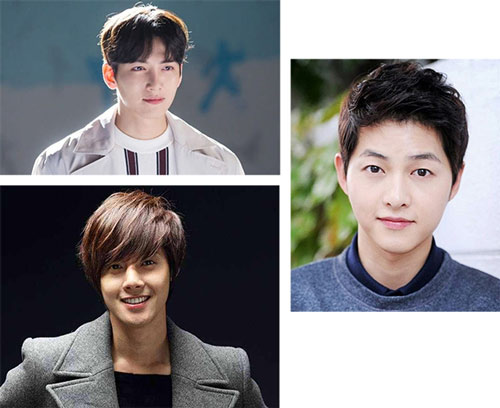
This broad category often uses a longer fringe, soft layers, and reduced weight at the sides. Show the exact photo rather than requesting only “Korean hair,” and ask whether the finish needs a perm, straightening, or daily blow-drying.
3. Men's layered cut
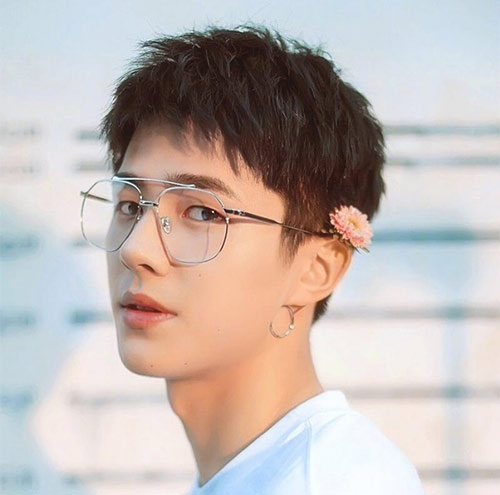
Layers remove weight and build movement in medium or longer hair. Placement should follow texture and density; explore more examples in this guide to men's layered hairstyles.
4. Short faux hawk
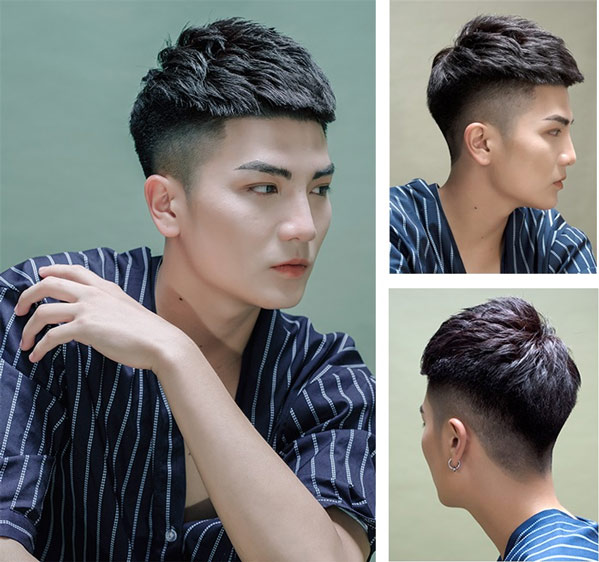
A faux hawk keeps the center longer and directs it upward without the dramatic shaved strip of a traditional mohawk. It needs enough top length and a product that matches the hair's thickness.
5. Undercut
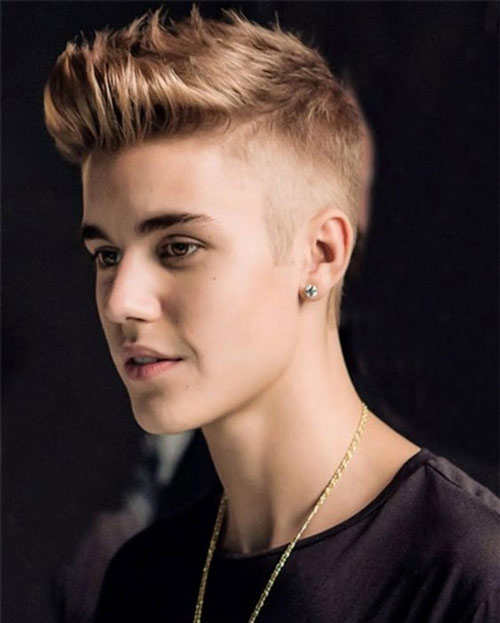
An undercut creates a strong disconnect between very short sides and longer hair on top. It looks graphic when fresh, but the contrast becomes obvious as it grows. Decide whether you want a disconnected edge or a blended transition.
6. 7/3 side part
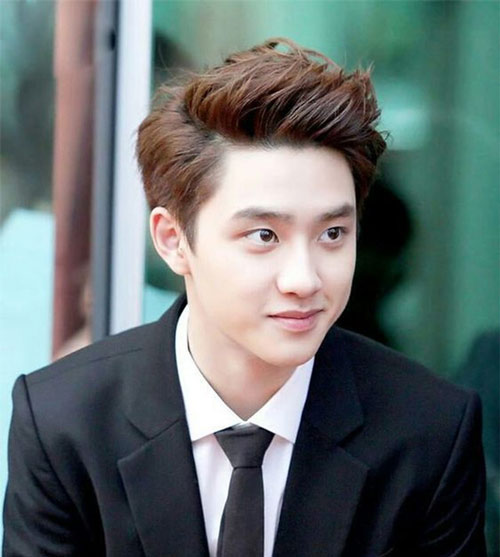
A deep side part places roughly 70 percent of the top to one side. It can add asymmetry and height, but works most easily when the part follows the natural growth direction.
7. Short sides with side-swept fringe
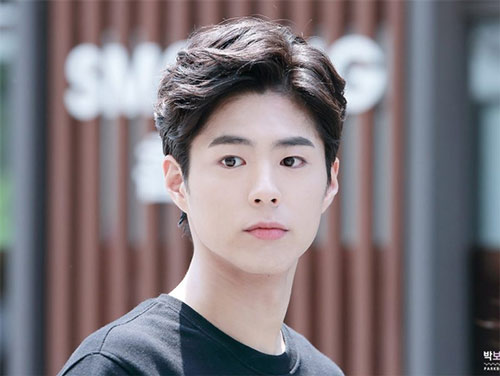
Keeping the fringe longer than the sides gives a neat cut some flexibility. Confirm the shortest fringe length you can accept, especially if you want it to stay out of the eyes without product.
8. Hair design
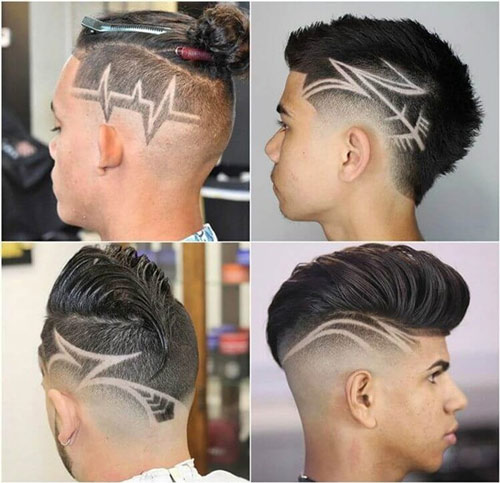
“Hair tattoo” usually means a line or pattern shaved into a fade, not colored highlights. Intricate designs lose definition quickly as hair grows, so ask about the likely cleanup schedule.
9. Traditional side part
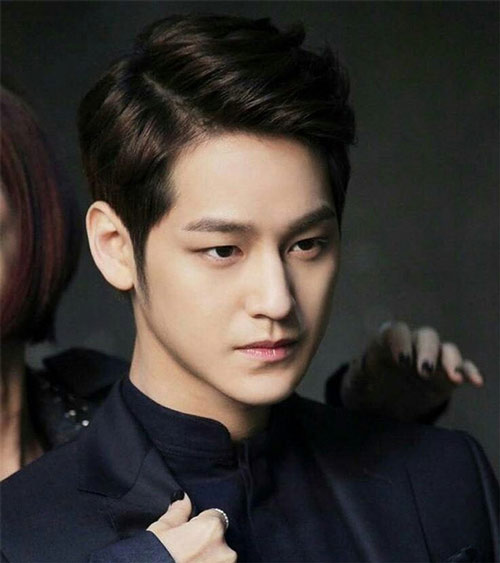
A side part can be cut with scissors for softness or combined with a taper or fade for sharper contrast. The style can sit flat or carry volume depending on top length and product.
10. Voluminous curly top
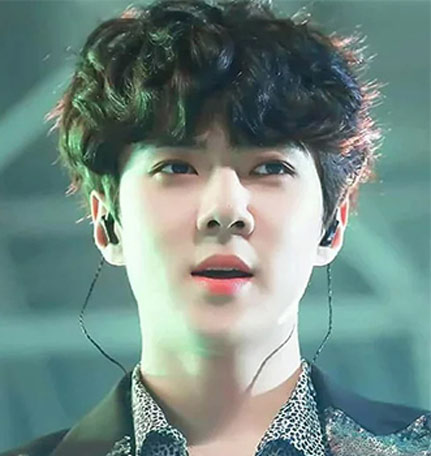
Shorter sides focus attention on natural or permed curls above. Ask the barber to preserve enough length for the curl to form and to avoid thinning methods that create unwanted frizz.
11. Soft curled fringe
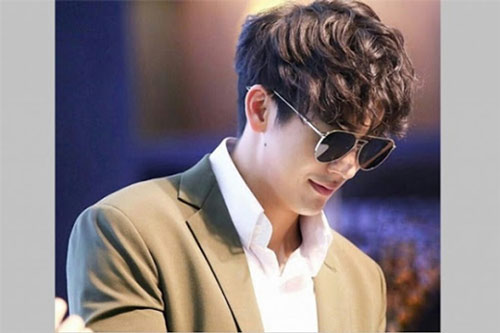
A gentle bend in the fringe adds texture without a full curly shape. If your hair is straight, determine whether the reference relies on a perm, rollers, or heat styling before committing.
12. High-and-tight crew cut
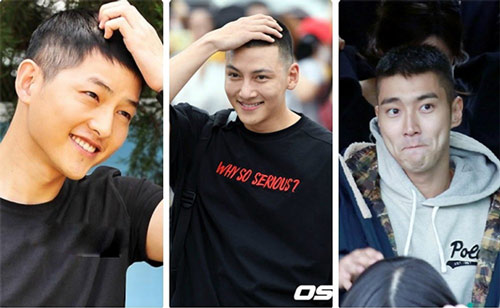
This military-associated shape uses very short sides and a short top. It is easy to wash but not maintenance-free: the crisp contrast may need frequent barber visits.
13. Swept-back undercut
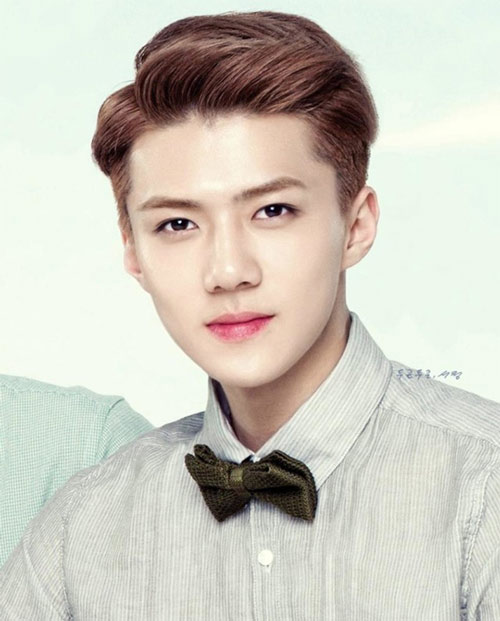
Longer top hair is directed back over closely cut sides. Medium-to-strong hold may be needed, and fine hair may benefit from a lighter product that does not collapse the volume.
14. 6/4 part
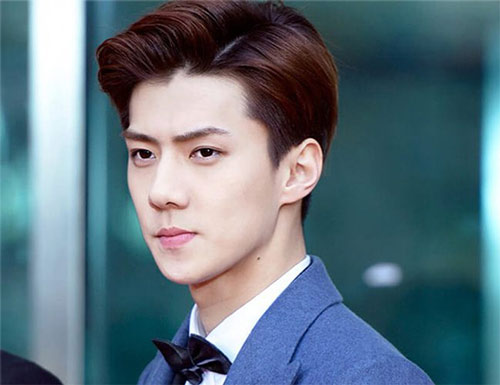
A 6/4 part is less dramatic than a deep side part and can be worn straight, curved, or lifted. It is a useful option if you want an off-center shape without sweeping most of the top to one side.
15. Sport cut
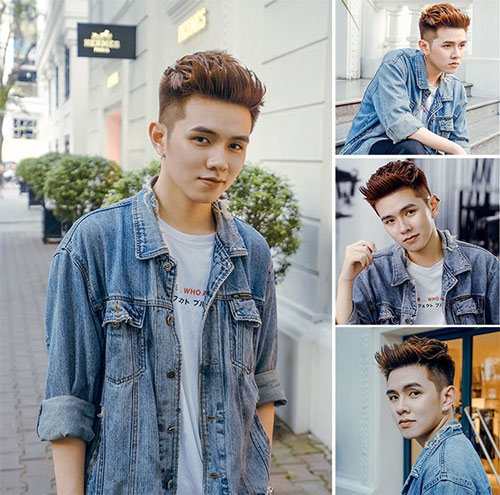
“Sport cut” is an informal label for a compact, practical style. Tell the barber how short the sides can be, whether the fringe must stay off the face, and how the cut needs to work under a cap or helmet.
16. Lightly permed texture
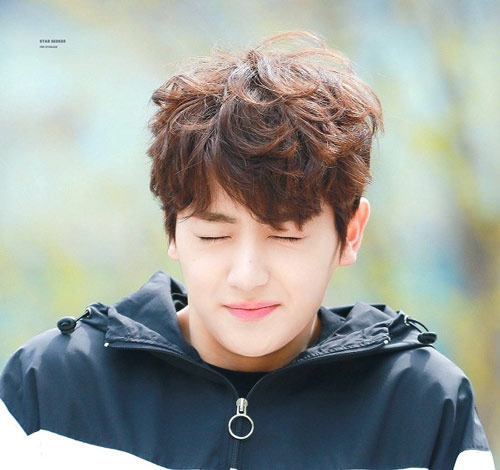
A loose perm can add bend and volume to straight hair. Chemical services change maintenance and may not suit fragile or recently lightened hair, so discuss condition and strand testing first.
17. Center-parted curtains

Curtain hair divides near the center and falls to either side. It needs enough fringe length and usually works best when the part is trained with blow-drying or naturally falls near the middle.
18. Straight, smooth fringe
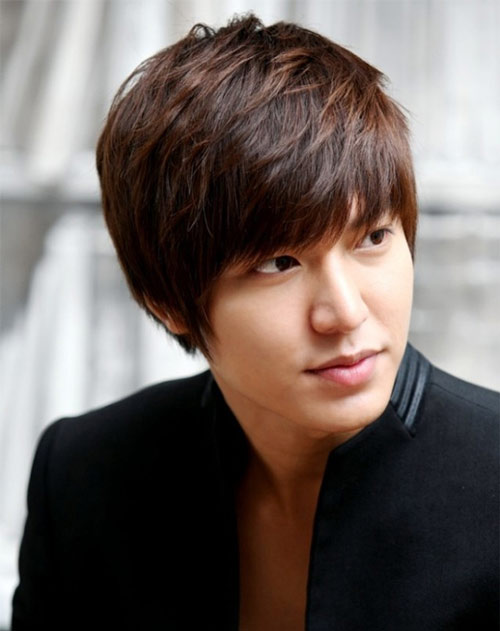
A smooth finish makes the cut line and fringe shape prominent. If chemical straightening is involved, ask how new growth will blend and avoid stacking incompatible services on damaged hair.
19. Rippled or crimped texture
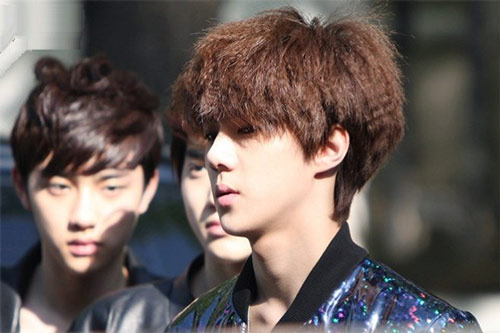
Small, repeated waves create a more graphic texture than loose curls. Clarify whether the image shows crimping, a foil perm, or natural pattern; those routes produce different durability and care needs.
20. Mullet
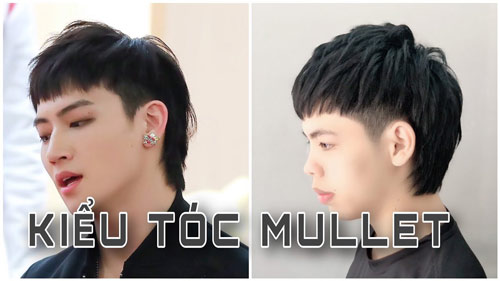
A mullet keeps length at the back while the sides and front are shorter or more shaped. Modern versions range from subtle to extreme. Decide how much contrast you want and whether the sides should be tapered, faded, or left soft.
21. Mushroom or bowl-inspired cut
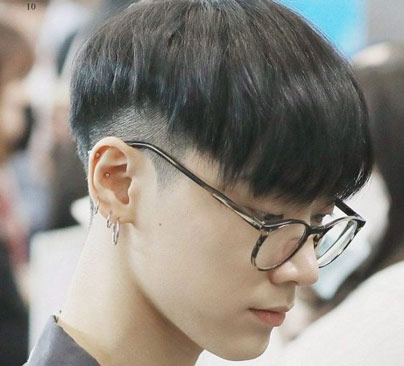
A mushroom cut creates a rounded cap with a visible perimeter; it is not the same as a mullet. Layers or undercut sides can make the outline lighter and less uniform.
22. Quiff
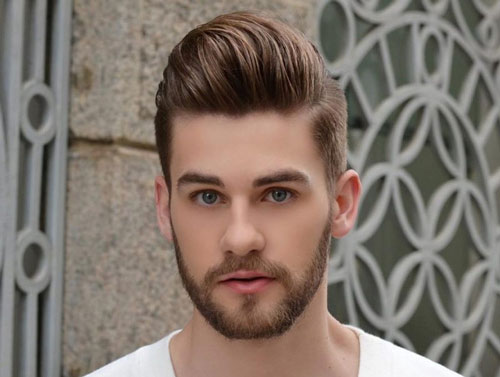
A quiff directs the front upward and back while keeping the sides shorter. Compared with a pompadour, the front often looks more textured and less uniformly swept. It needs adequate fringe length and blow-drying for height.
23. Pompadour
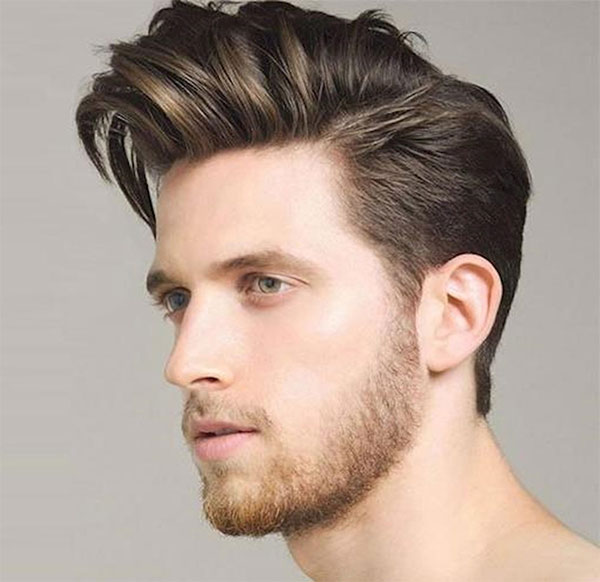
A pompadour builds a smooth, elevated roll from the front through the top. The silhouette can be classic with scissor-cut sides or modern with a fade. Dense hair may need weight removal; fine hair may need lighter product.
24. Classic slick back
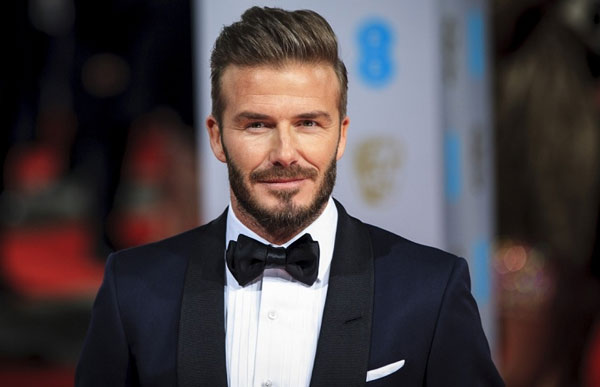
Slicked-back hair is combed away from the forehead with a controlled finish. It can sit over tapered or longer sides, not only an undercut. Choose pomade, cream, or gel according to the shine and movement you want.
25. Textured crop
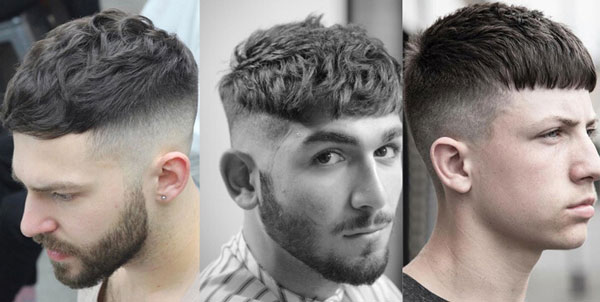
A textured crop keeps the top short and deliberately separated, often with a forward fringe. It can be easy to style with a small amount of matte product, but the fringe line and fade determine how polished it looks.
26. Long loose hair
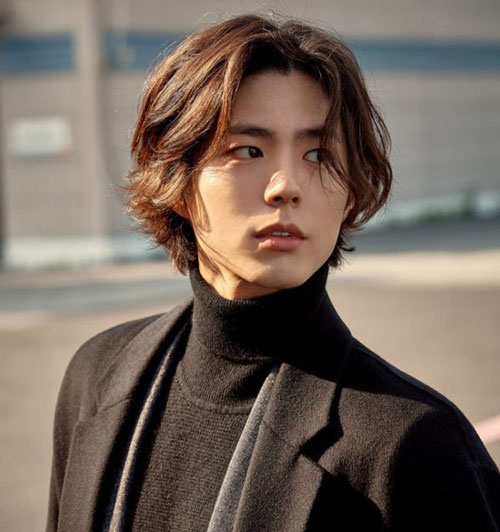
Long hair offers ponytail, bun, braid, and loose styles, but requires detangling and conditioning. Ask for a perimeter and subtle shaping that work both loose and tied back.
27. Foil-permed micro texture
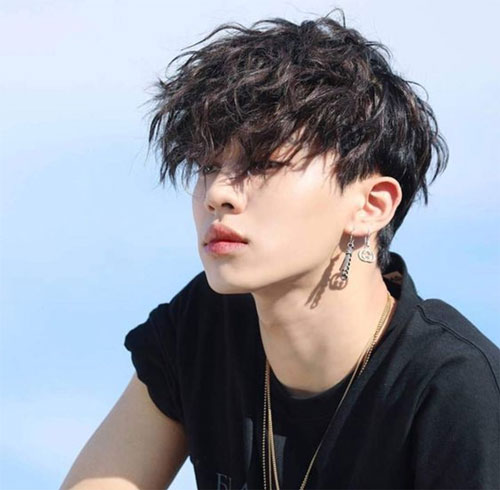
This tightly rippled style is sometimes translated as a “worm perm.” The more useful term is fine foil-permed texture. Ask how much shrinkage to expect and how to keep the pattern defined without drying the hair.
28. Long layered cut

Long layers reduce bulk and frame the face while preserving length. Set the shortest layer according to whether you need to tuck the hair, wear a ponytail, or keep it behind the ears.
29. Buzz cut
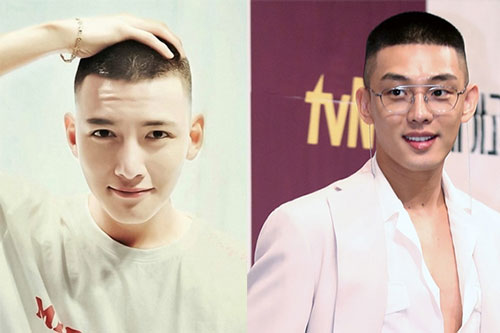
A buzz cut uses clippers for a close, uniform or lightly graduated shape. The original “crab claw” label is ambiguous; use guard numbers and a photo instead. A fade, lineup, or slightly longer top can customize the result.
30. Mohawk
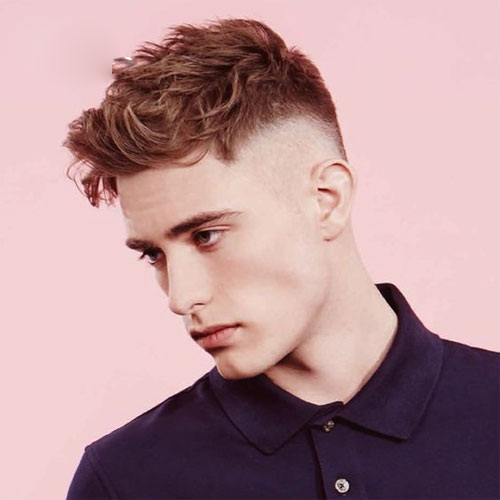
A mohawk preserves a central strip while the sides are shaved or clipped very close. A faux hawk gives a similar upward direction with a softer transition. Confirm workplace constraints and the styling height you can maintain.
Using face shape without treating it as a restriction
The next six examples show how placement can change a silhouette. They are options, not corrections for “flaws.” Head shape, facial features, beard, glasses, and personal taste matter too.
31. Height and shorter sides for a round face
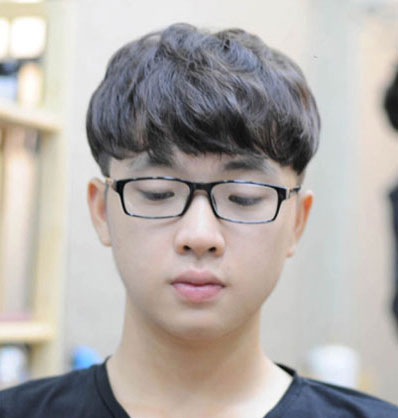
More height on top with controlled width at the sides can make a round outline appear longer. A quiff, textured crop, or side part can create this effect, but a full fringe or wide curls are equally valid if you prefer them.
32. Balanced width for a long face
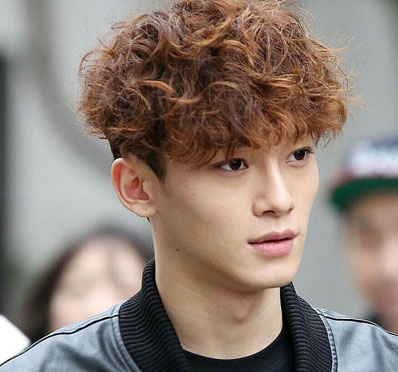
Moderate side volume and a fringe can reduce the visual emphasis on length. Very high pompadours increase it. Choose the effect intentionally rather than assuming an undercut always “balances” a long face.
33. Soft texture or clean angles for a square face
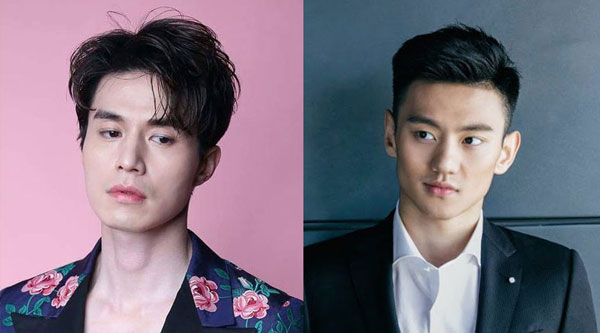
A square jaw can be echoed by a sharp crop and lineup or contrasted with curls and a softer taper. Both approaches work; the decision is whether you want to emphasize or soften the geometry.
34. Flexible proportions for an oval face
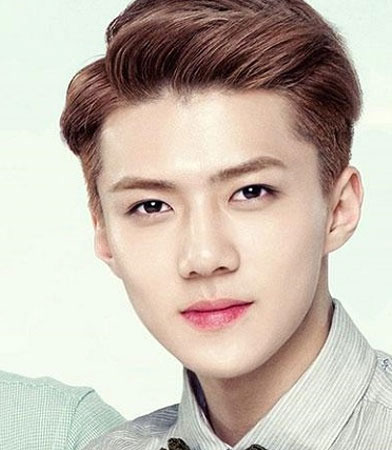
Oval proportions accommodate many placements, but growth pattern and hair density still determine what is easy to wear. Avoid using “suits everything” as a reason to ignore texture or maintenance.
35. Asymmetry for a fuller round face
A deep side part, off-center fringe, or controlled height can create asymmetry. Facial fullness does not require concealment; choose these elements only if you like the visual direction.
36. Fringe and side volume for a long, narrow face
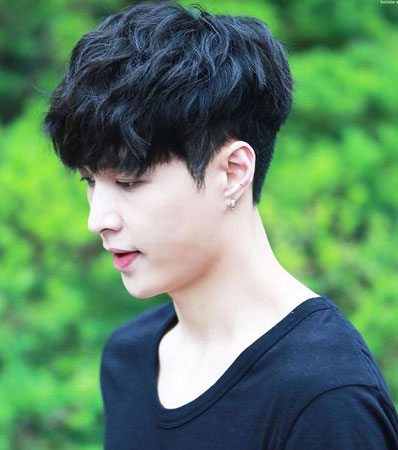
A fringe and medium width at the temples can visually shorten and widen the outline. Keep the crown lower if you do not want additional height.
For more targeted references, compare these men's hairstyles for different face shapes and this short-hair gallery for round faces.
Long, spiky, and two-block options
37. Top knot with undercut sides
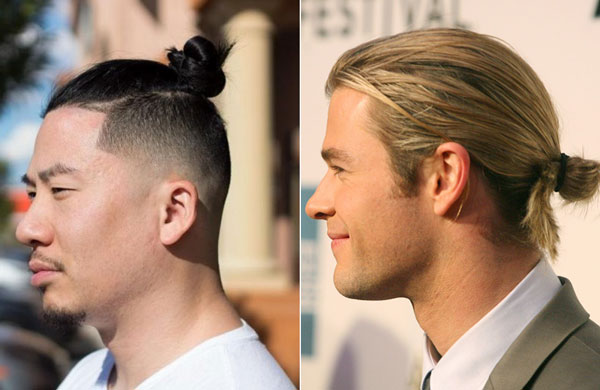
A top knot ties the longer top while the sides are clipped short. The tie should not feel painfully tight, and shorter flyaways need not be glued down. The strong disconnection requires regular side cleanup.
38. Spiky crop
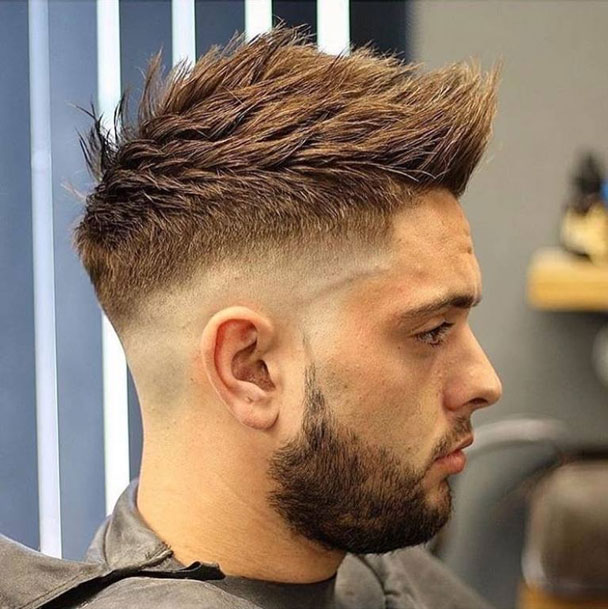
A spiky crop uses short top sections directed upward or diagonally. Matte clay gives separation, while gel produces a firmer, shinier finish. Use a small amount and avoid making every spike identical.
39. Two-block cut

A two-block cut separates longer layered hair on top from shorter sides and back. Unlike a high fade, the transition may be partly hidden beneath the top section. Fringe length, side weight, and whether the back is tapered determine how soft or graphic it looks.
How to turn a reference photo into a workable haircut
- Choose a photo with hair texture and density reasonably close to yours.
- Identify the exact feature you want: fringe, part, top length, side length, neckline, or texture.
- Ask whether the image shows a perm, straightening, blowout, fibers, or heavy product.
- Agree on clipper guards or scissor length, fade height, shortest fringe, and neckline.
- Have the barber demonstrate the product amount and drying direction.
- Ask how the cut will grow and when the silhouette—not merely the calendar—will need cleanup.
To preview a dramatic length change, these hairstyle mock-up apps can help compare outlines, although they cannot reproduce texture, growth patterns, or the real haircut.
Simple care for most men's styles
- Wash according to scalp oil, activity, texture, and product buildup rather than a rigid schedule.
- Condition longer, curly, bleached, or dry hair through the lengths.
- Use heat protection when blow-drying at high heat or using hot tools.
- Start with less styling product; add more only where needed.
- Clean clippers, combs, and brushes, and do not share tools that touch irritated skin.
- Tell your barber about scalp irritation, thinning, scars, or areas you do not want cut closely.
A style is successful when it works after you leave the barber's chair. Choose the shape for your own hair and routine, not because a list calls it universally flattering or fashionable this year.
Related Articles
 50+ the Best Short Hairstyles for Girls 20203 minutes read
 16 Stylish Men's Hairstyles for Round Faces That Perfectly Conceal Imperfections6 minutes read
 Beautiful Short Hair: 13 Beautiful and Stylish Short Female Hairstyles6 minutes read
 The 5 Best Male Hairstyles of 2017 Are Suitable for Boys with Long6 minutes read
 20+ Pixie Short Hairstyles Beautiful Young People Fever 20202 minutes read
 Download Beautiful Summer Background3 minutes read
Reader Comments 0
Sign in with email or Google to join the discussion.