Table of Contents
A layered haircut uses sections cut at different lengths to change the hair's shape, movement, and weight. Shorter layers can lift the crown or frame the face, while longer layers remove bulk and give curls or waves room to form. The result depends as much on texture, density, growth pattern, and styling routine as it does on face shape.
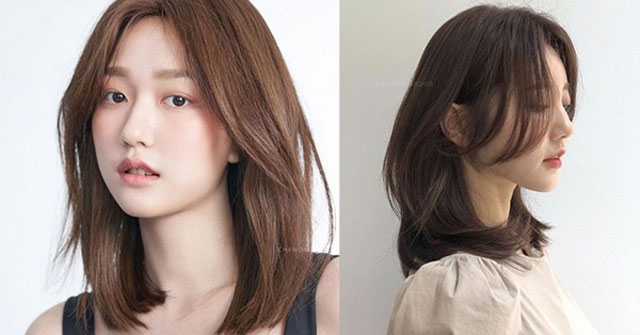
Are layers right for your hair?
Layers can add movement to heavy hair, create the appearance of volume in selected areas, and make a one-length cut feel lighter. They can also expose frizz, reduce the density of fine ends, or require daily styling if the cut fights your natural texture.
- Fine or low-density hair: Favor fewer, longer layers and a solid perimeter if you want the ends to look fuller.
- Thick hair: Internal or long layers can remove weight without creating an overly choppy outline.
- Wavy or curly hair: Ask for a shape planned around shrinkage and your usual part. Cutting curls as though they were straight can create unexpected steps.
- Very straight hair: Layers are clearly visible, so precision and the amount of graduation matter.
- Damaged ends: A haircut can remove damage but cannot repair split ends. Avoid leaving fragile lengths solely to preserve a target length.
Face shape is a guide, not a rule
Round, square, long, and oval faces can all wear layers. Placement changes the visual effect: height at the crown can lengthen the silhouette, width around the cheekbones can balance a longer face, and pieces beginning below the jaw can keep fullness away from the cheeks. Bangs and parting often affect the result as much as the layers.
Do not ask only, “Does this suit my face shape?” Also ask where you want volume, how much hair you are willing to style, whether you wear glasses, and where the shortest piece can sit without bothering you.
22 layered haircut ideas
1. Short textured layers
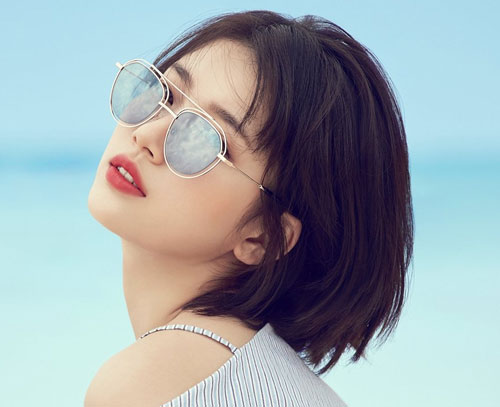
Short layers create separation and movement around the crown and sides. This option works best when the cut follows the hair's natural direction; ask how much styling paste, mousse, or blow-drying the pictured finish requires.
2. Shoulder-length layers
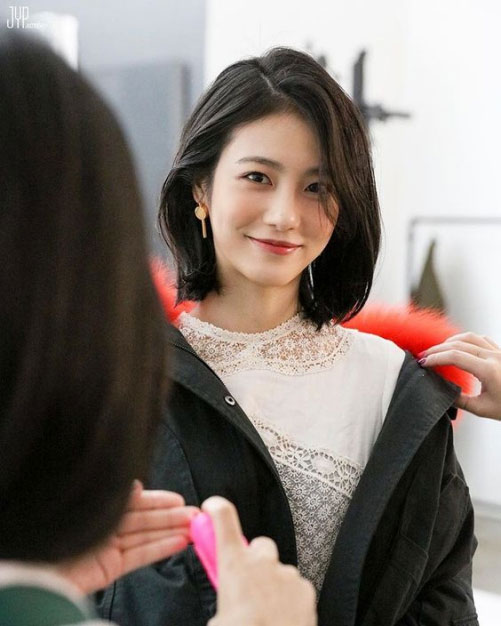
Shoulder length offers enough hair for waves or turned-under ends while remaining easier to tie back than a bob. The ends may flip where they meet the shoulders, so decide whether you like that movement or want the cut just above or below the friction point.
3. Long straight layers
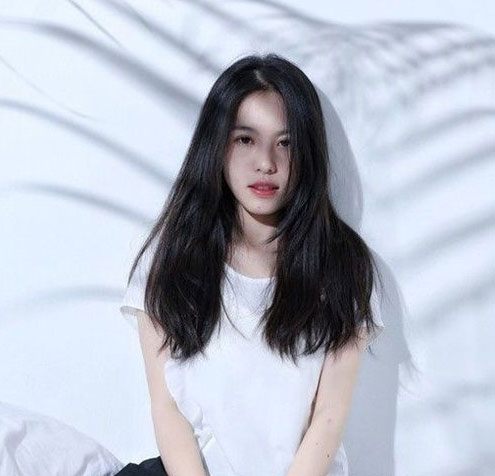
Long, shallow layers preserve the outline while preventing straight hair from looking like one solid block. Fine hair may need a stronger perimeter, while dense hair can support more internal weight removal.
4. Deep side part with face-framing layers
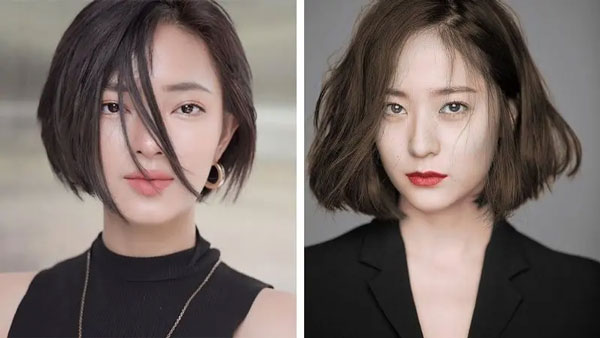
A roughly 7/3 side part shifts volume to one side and creates an asymmetrical frame. Confirm that the part works with your cowlicks; otherwise, maintaining the lift may require heat styling.
5. Soft Korean-style face framing
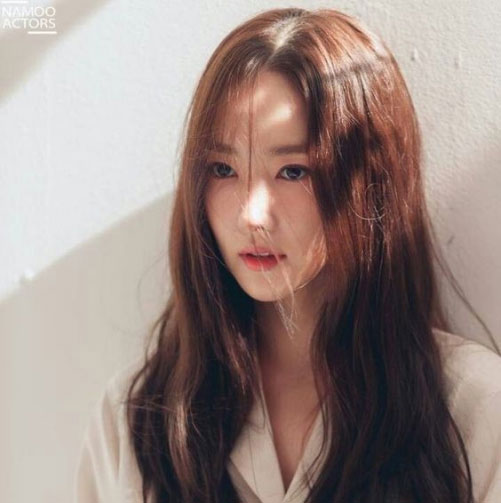
This style usually combines long, blended layers with light pieces around the cheeks and jaw. It can be worn straight or with curved ends. Bring a specific reference because “Korean layers” can describe several different cuts.
6. Long feathered layers
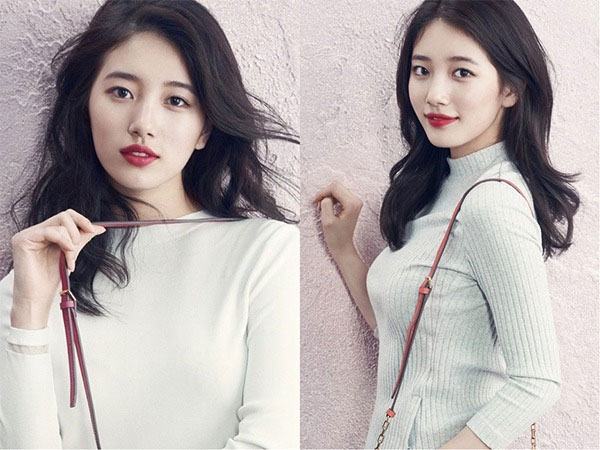
Feathered layers sweep away from the face and create airy movement. The salon finish is often produced with a round brush or large rollers, so ask to see how the cut looks without that styling before deciding.
7. Layers with bangs
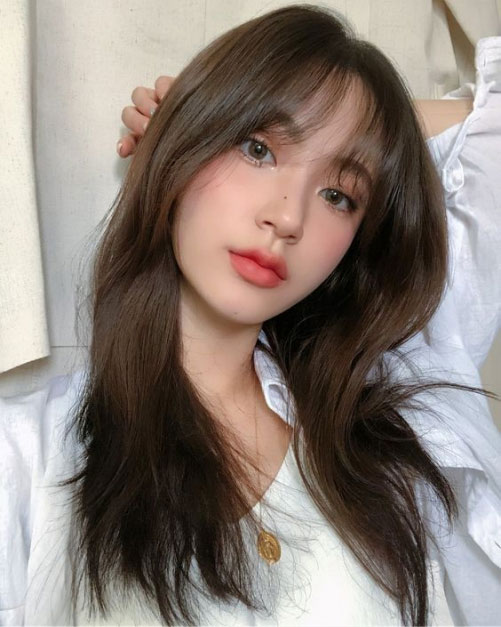
Bangs can be blunt, wispy, curtain-shaped, or side-swept. Their density and starting point should match your hairline and maintenance tolerance. Short bangs usually need more frequent trims than the rest of the haircut.
8. Waist-length layers
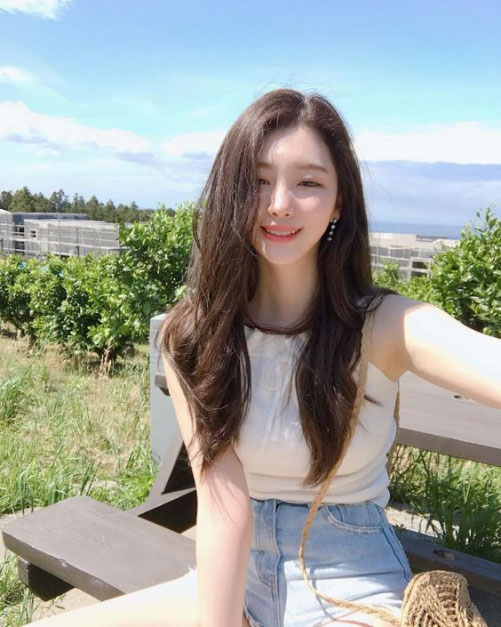
Very long layers remove some weight while keeping dramatic length. Limit the shortest layer if you want braids and ponytails to stay neat, and trim fragile ends rather than stretching the interval solely to retain length.
9. Long layers with gentle waves
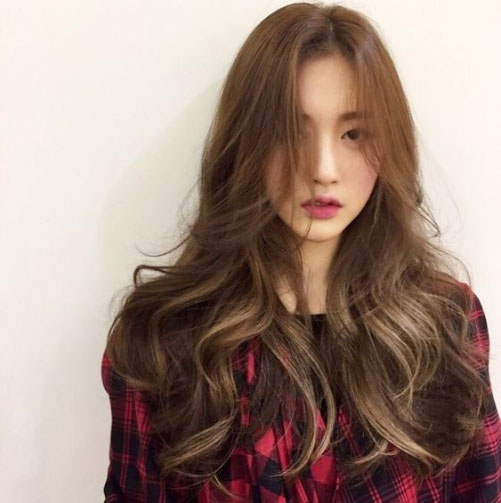
Wide waves show the transitions between long layers and build fullness through the lower half. Ask whether the reference shows a natural wave, a perm, rollers, or a curling tool—the daily routine is different for each.
10. Defined curly layers
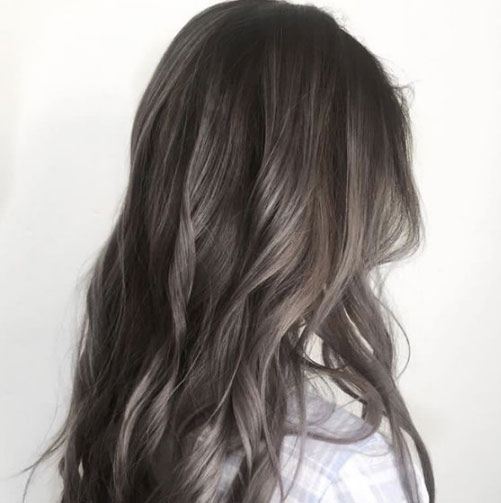
Layers can prevent curly hair from forming a heavy triangular outline, but too many short layers may reduce weight and increase shrinkage. A stylist who regularly cuts your curl pattern can plan the shape in its worn state.
11. Two-tier layers
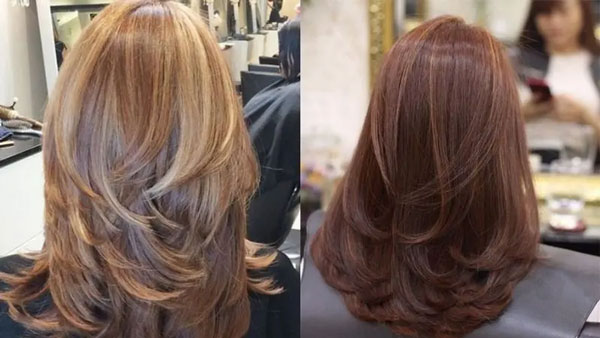
Two visibly different lengths create a graphic, rounded shape. This can make selected areas look fuller, but it is less blended than classic layering. Ask how the two tiers will grow together between cuts.
12. Short layers with small curls
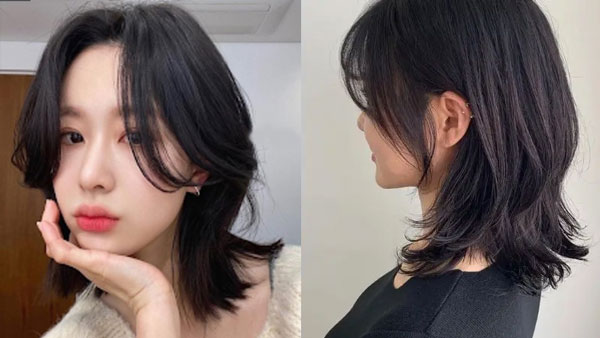
Compact curls at shoulder length create texture throughout the shape. If the curls are produced by a perm, discuss strand condition, expected shrinkage, and aftercare before combining it with color or bleach.
13. Straight layers with turned-under ends
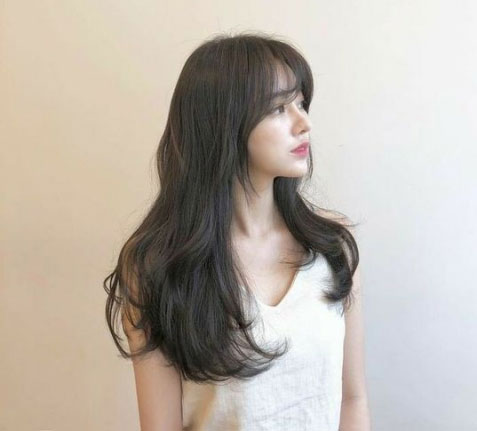
This polished style keeps the lengths straight and curves the tips inward. A round brush, heated brush, or rollers may be needed to reproduce the finish, especially in humid conditions or on hair that naturally flips outward.
14. Center-parted long layers
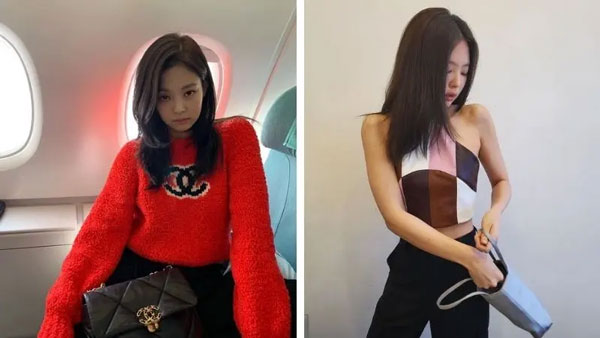
A center part makes the face-framing pieces symmetrical and highlights the shape of the cut. If your natural part sits elsewhere, ask for a version that works there instead of forcing a celebrity reference exactly.
15. Long S-wave layers
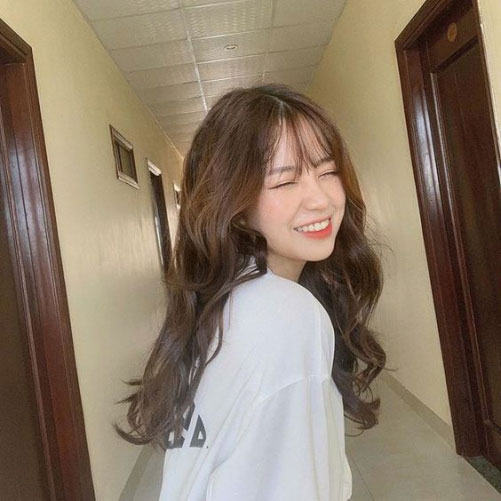
Large S-shaped waves create a smooth, continuous pattern rather than separate curls. Long layers keep the wave visible without making the upper sections too short.
16. Tousled medium layers

Tousled layers rely on irregular movement and texture. This is a useful option for natural waves, but very straight hair may need product and diffusing or heat styling to maintain the undone effect.
17. Layered bob

Layers soften the solid line of a bob and can add lift at the back. Choose among chin length, jaw length, and a longer “lob” based on where you want the perimeter and whether the hair must tuck behind the ears.
18. Crown volume with longer face framing
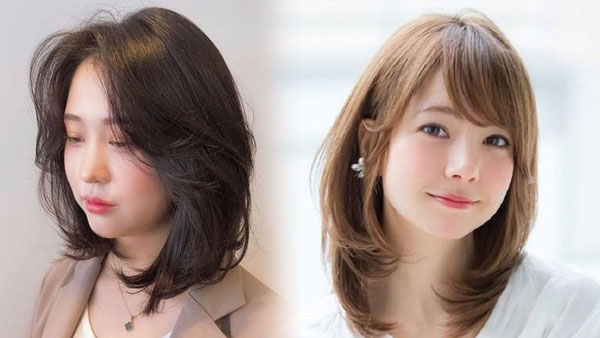
Keeping the side pieces longer while adding controlled height above can change the silhouette of a rounder face. Avoid turning that observation into a restriction: the best placement is the one that creates the proportion you prefer.
19. Soft layers around a strong jawline
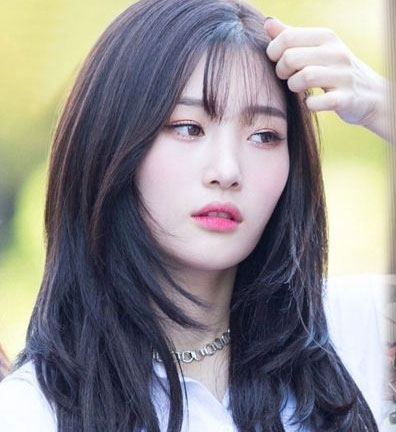
Curved pieces around or below the jaw can soften the outline of a square face, while a blunt piece ending at the widest point can emphasize it. Either effect can be intentional; decide what you want the cut to highlight.
20. Japanese-inspired two-level cut
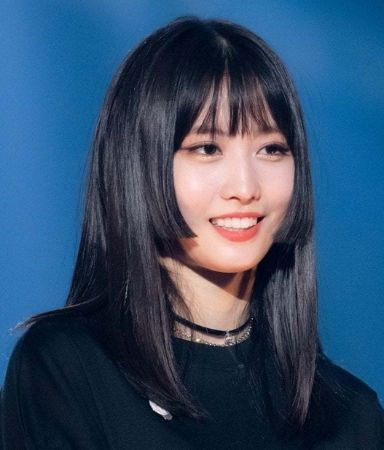
This style makes the shorter face-framing section distinct from the longer back. It creates a strong shape without needing curls, but the separation must be placed carefully to look deliberate as it grows.
21. Short androgynous layered cut
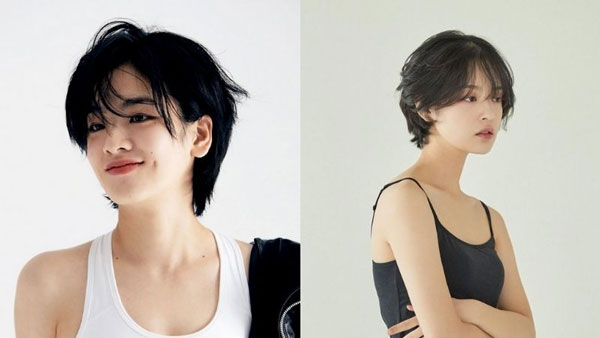
A short layered crop can combine a textured crown, tapered sides, and longer pieces at the nape or fringe. Ask for a shape based on your preferred styling and identity rather than assuming short hair must look feminine or masculine.
22. Layers with highlights
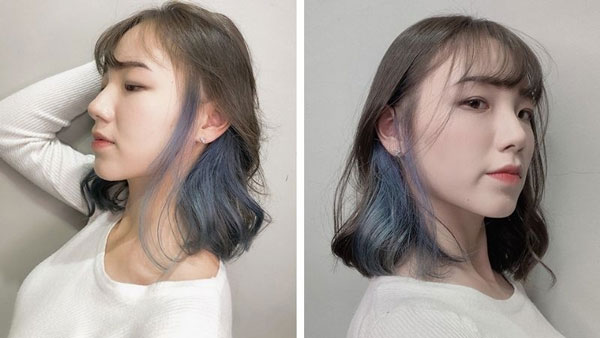
Highlights make the movement between layers more visible. Fine ribbons create subtle dimension; high-contrast pieces emphasize the cut. Color and lightening add maintenance, so plan the haircut and color together.
What to tell your stylist
- Show photos of what you like and what you do not like.
- Describe how you usually wear, wash, dry, and tie your hair.
- State the shortest layer you can accept.
- Explain whether your priority is volume, movement, less weight, curl definition, or easy grow-out.
- Ask how the reference was styled and request a version that fits your routine.
- Confirm the expected trim schedule and how the shape will change as it grows.
For more visual references, see these short layered haircut ideas and this larger layered hairstyle gallery. Both are older galleries, so use the pictures as consultation references rather than current trend rankings.
How to care for layered hair
- Wash according to your scalp, texture, activity level, and product use; there is no universal two-or-three-times-a-week rule.
- Apply conditioner mainly through the lengths and ends, adjusting the amount for fine, coarse, straight, or curly hair.
- Detangle gently, beginning at the ends and moving upward. A wide-tooth comb or appropriate brush can reduce pulling.
- Use heat protection and the lowest effective temperature when blow-drying, straightening, or curling.
- Sleep with hair dry and loosely secured if tangling is a problem. Avoid tight styles that pull at the hairline.
- Trim when the outline loses its shape or the ends split; the interval depends on length and style.
Layers are a design tool, not a single hairstyle. A successful cut places shorter and longer sections where they support your actual texture, density, styling habits, and preferred silhouette.
Related Articles
 25 Beautiful and Cute Men's Layered Hairstyles4 minutes read
 Beautiful Short Hair: 13 Beautiful and Stylish Short Female Hairstyles6 minutes read
 The Most Beautiful Short Layered Hairstyles 20213 minutes read
 39 Of the Hottest and Most Stylish Men's Hairstyles for Summer 202613 minutes read
 The Beautiful Short Hairstyles and the Most Beloved Sisters Are4 minutes read
 The Most Beautiful Female Layer Hairstyles 20202 minutes read
Reader Comments 0
Sign in with email or Google to join the discussion.