Table of Contents
This gallery collects 44 manicure and pedicure references, from restrained neutral polish to floral details, red Lunar New Year themes, and rhinestone accents. Use the images to identify a palette and level of detail, then adapt the design to your nail length, daily activities, budget, and maintenance tolerance.
Choose a design that works beyond the photo
- Start with wear time. A special-event manicure can be elaborate; an everyday set may need lower embellishments and shorter extensions.
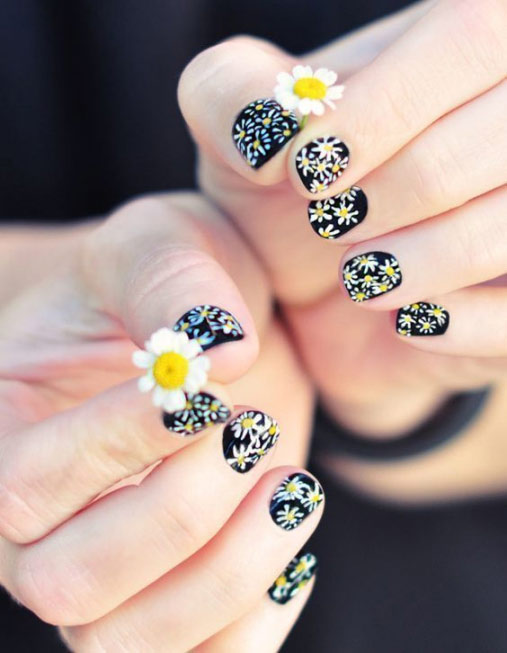
- Match the scale. Large flowers and stone clusters need enough nail surface. On short nails, use one accent nail or a smaller motif.
- Plan the shape. Square, oval, almond, and coffin shapes change how the same design reads. Keep a length that does not interfere with typing, caregiving, sports, or work.
- Choose a focal point. One or two statement nails often look more intentional than putting every technique on every nail.
- Bring color references. Screen brightness and salon lighting can shift red, nude, and metallic tones. Select from physical swatches when possible.
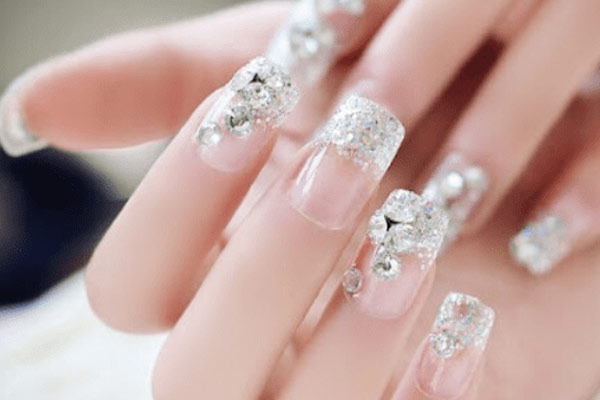
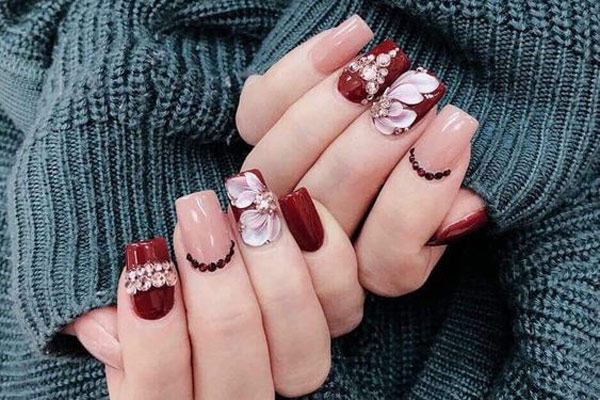
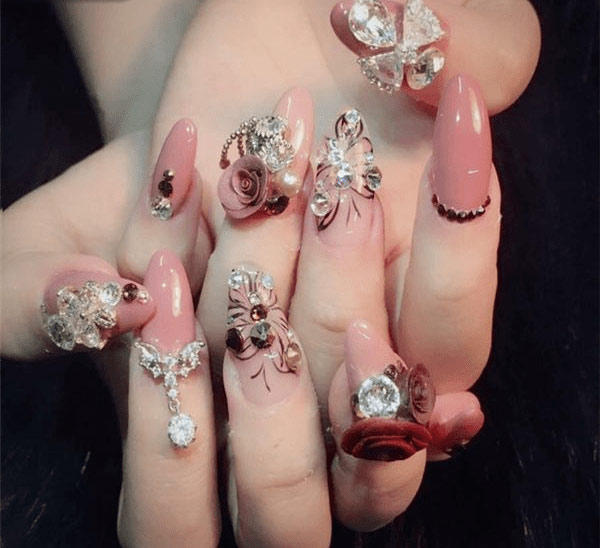
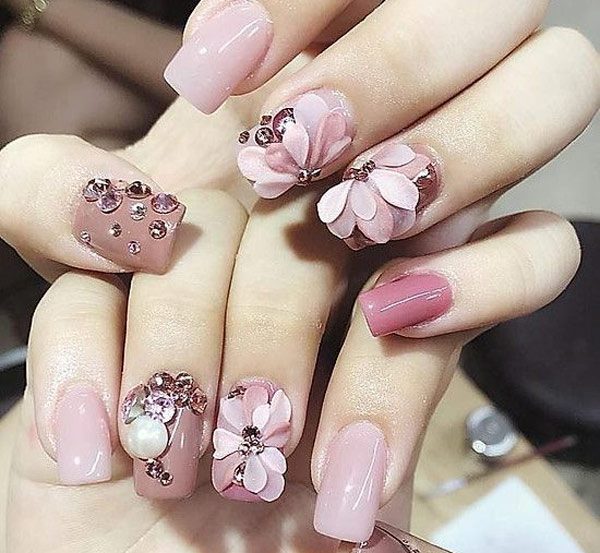
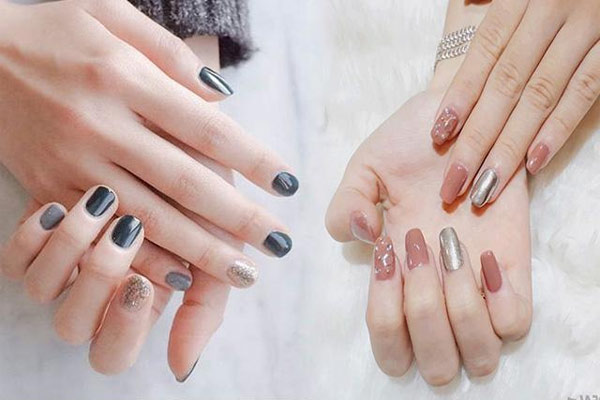
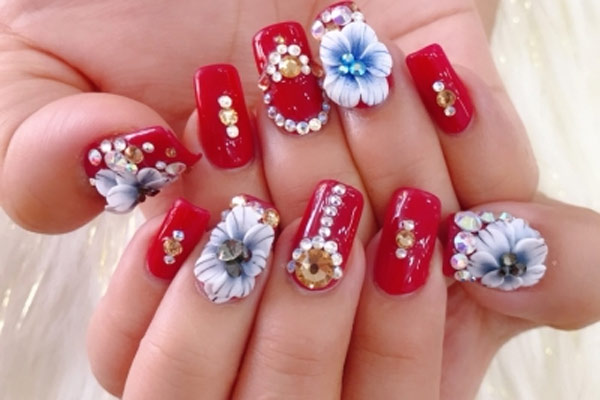
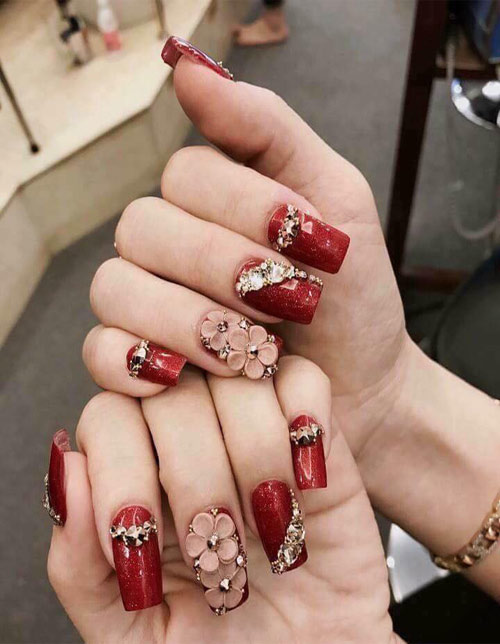
1–8. Rhinestone and floral nail designs
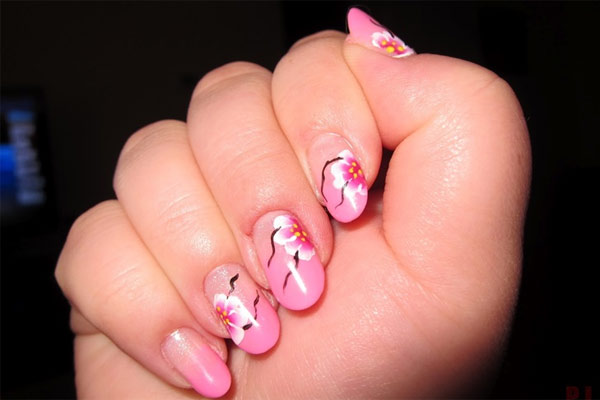
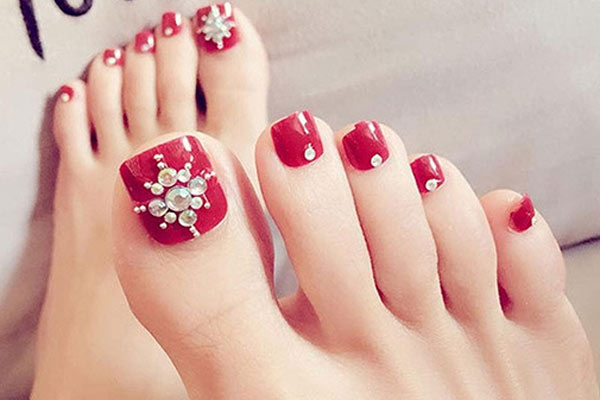
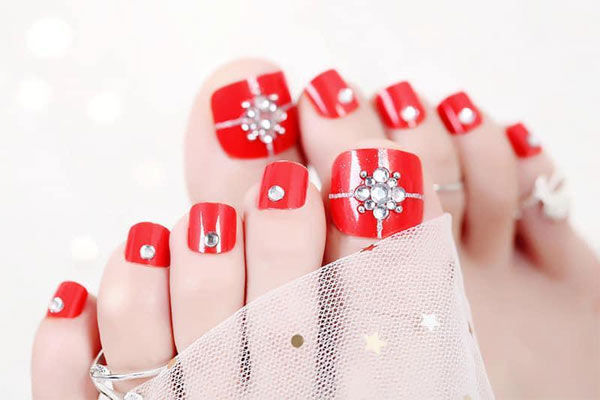
Rhinestones add reflective detail, while painted or sculpted flowers create a softer focal point. For a wearable set, keep stones low-profile and concentrate them near the base or on one accent nail. Confirm how raised pieces will be secured and removed; picking them off can damage the nail surface.
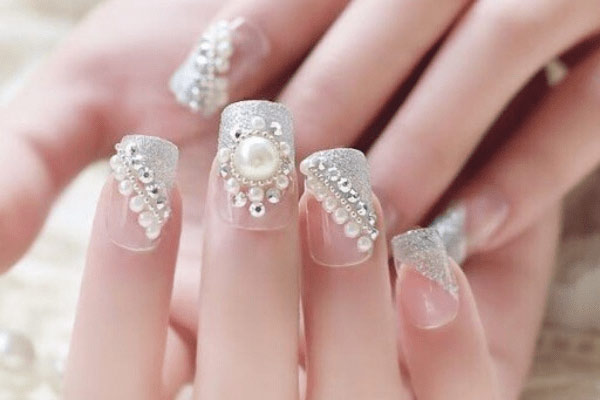
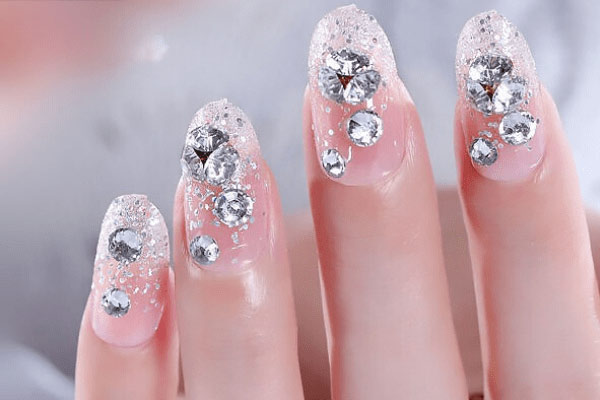
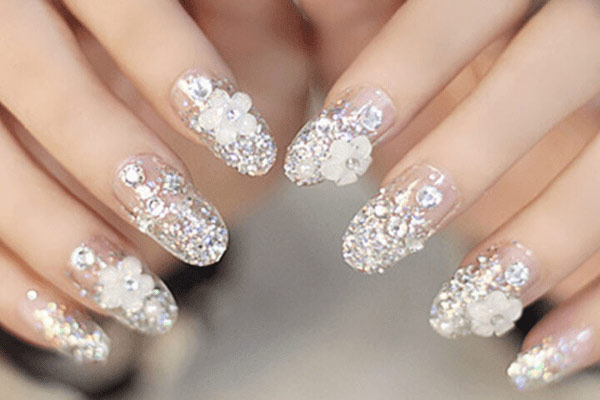
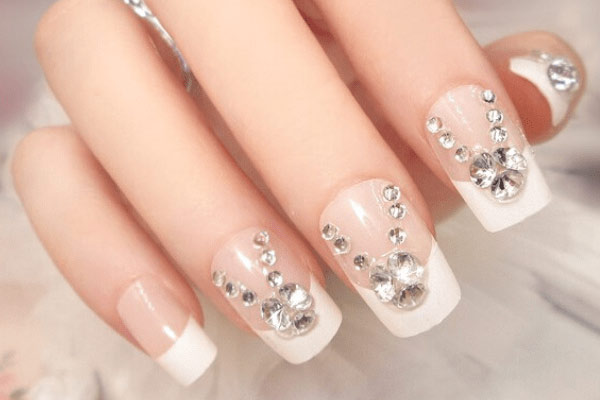
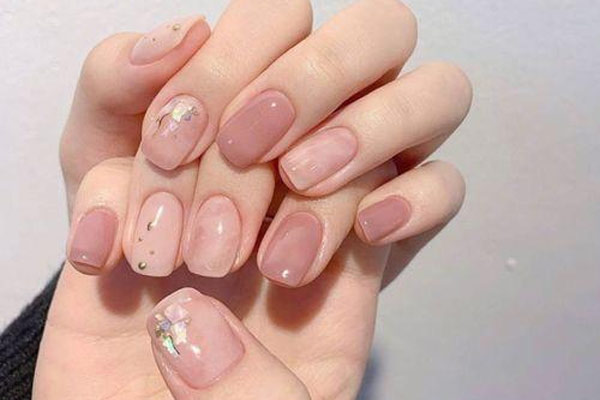
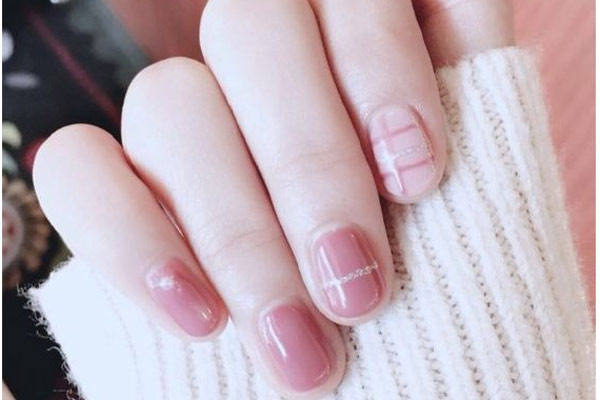
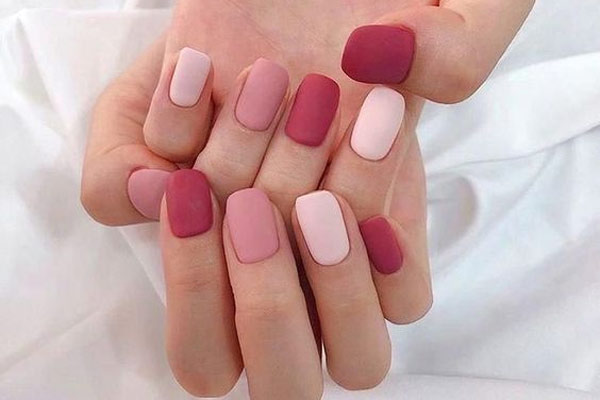
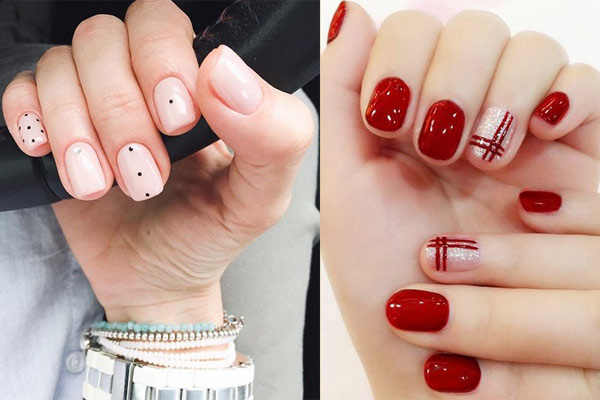
9–18. Simple and minimal manicures
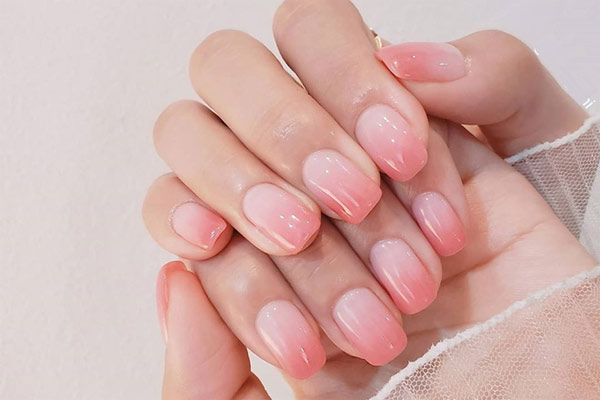
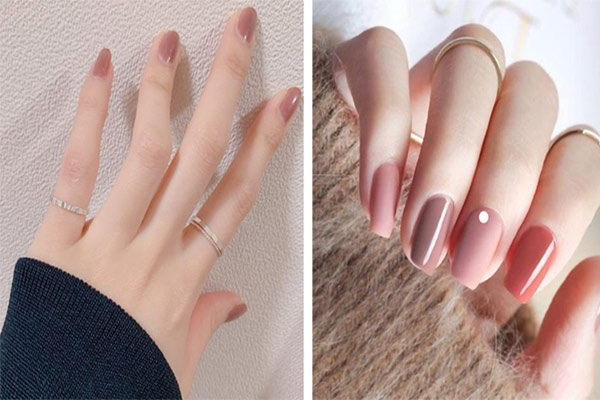
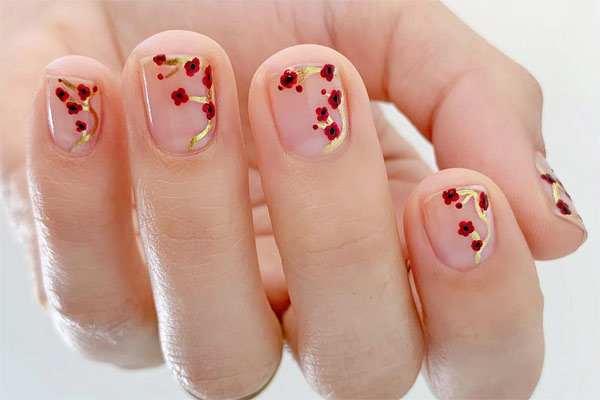
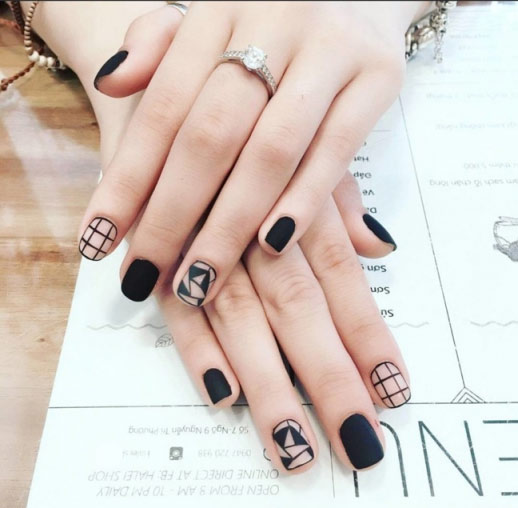
Minimal does not have to mean plain. A sheer base, fine line, small flower, tonal French tip, or single accent can provide detail while keeping grow-out less obvious. These references are useful for shorter nails and for people who prefer lower-maintenance designs.
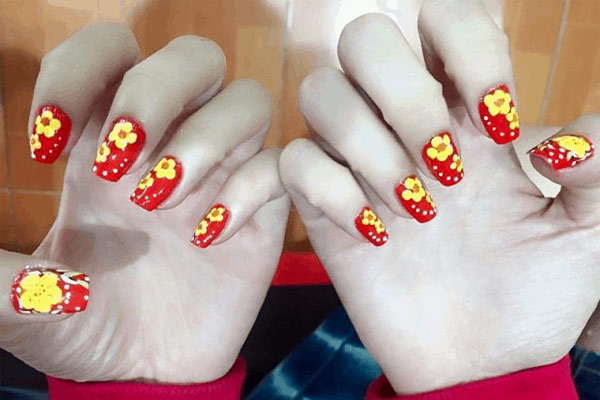
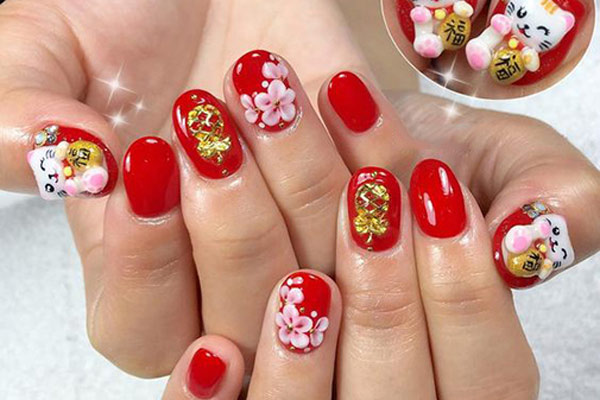
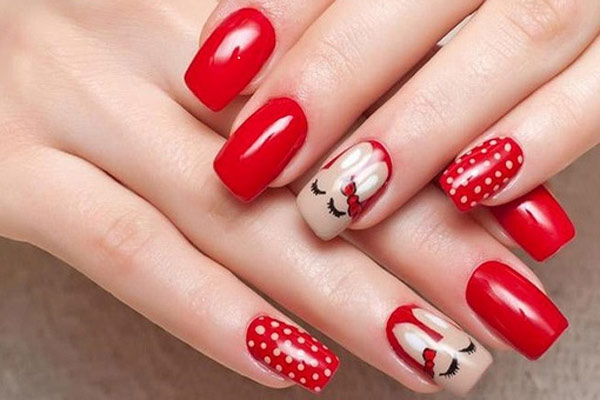
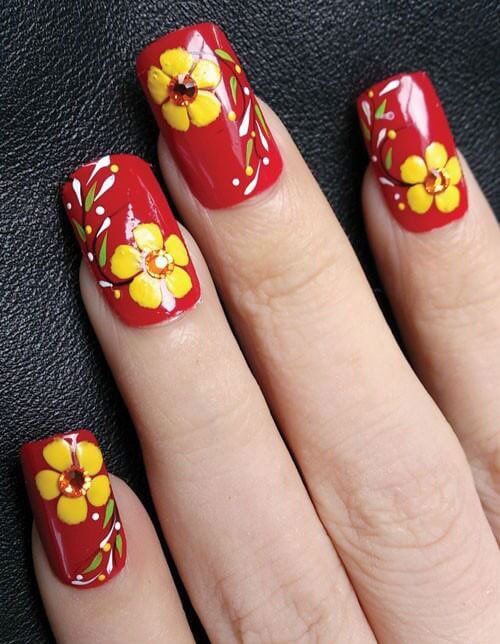
19–26. Red Lunar New Year nail designs
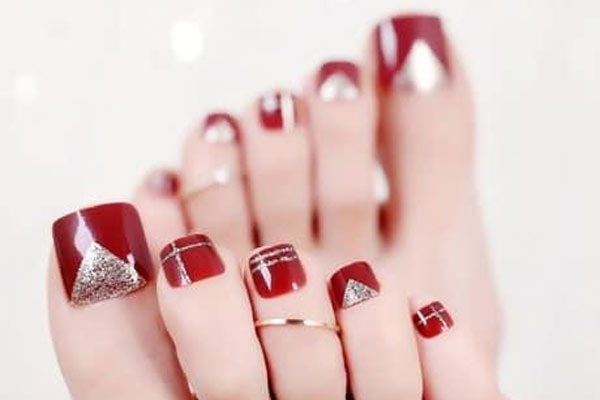
Red is a traditional celebratory color and pairs easily with gold, blossoms, metallic foil, or a neutral accent. Avoid treating one motif as mandatory: a clean red manicure can express the theme as effectively as a highly decorated set. If the design includes characters or culturally specific symbols, verify their form and orientation before painting.
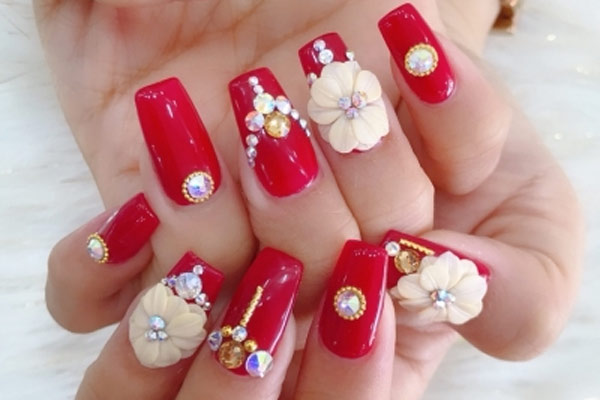
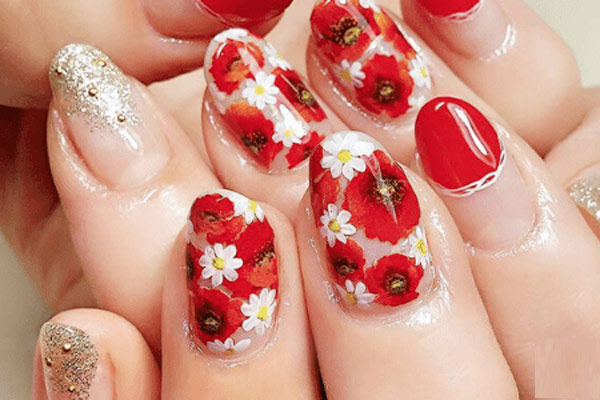
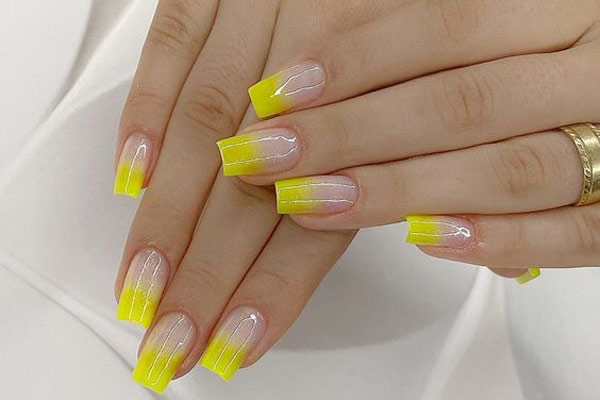
27–34. Mixed nail-art ideas
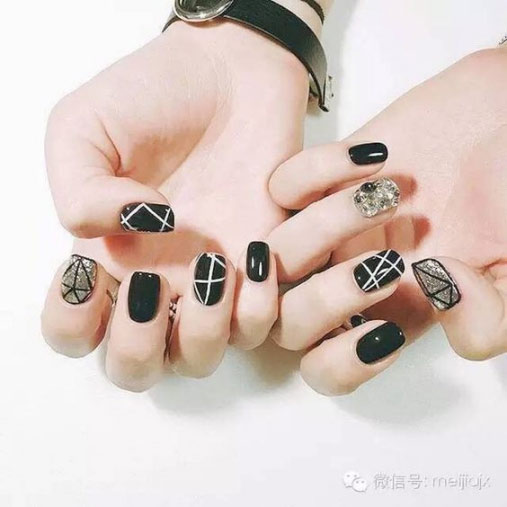
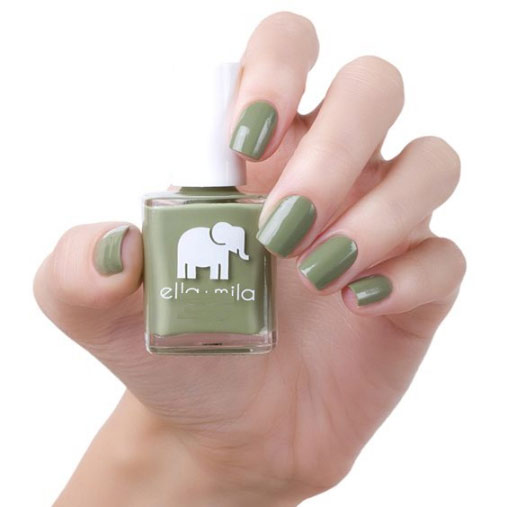
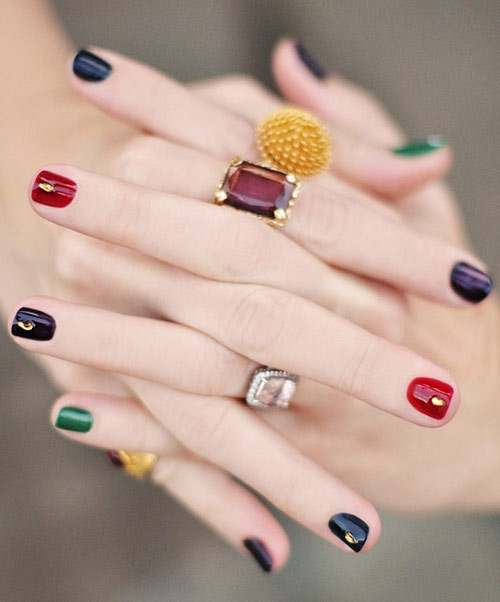
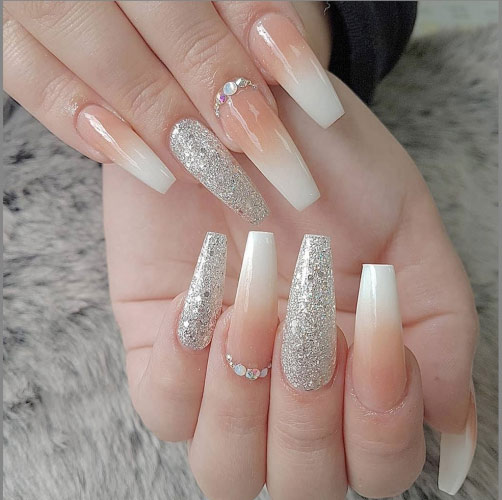
This group offers broader combinations of color, texture, and pattern. When adapting an image, choose which element matters most: the base color, placement, finish, or decoration. Your nail technician can then simplify or expand the design without losing its identity.
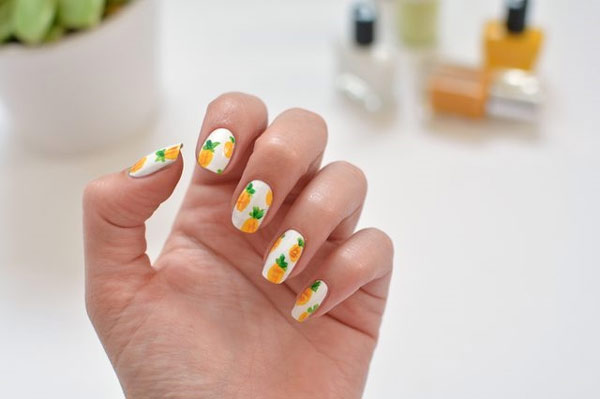
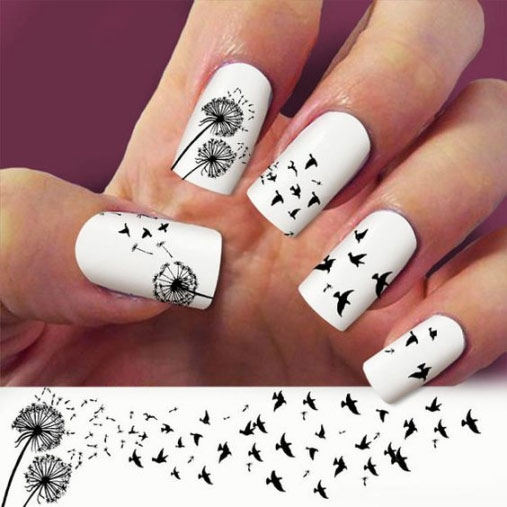
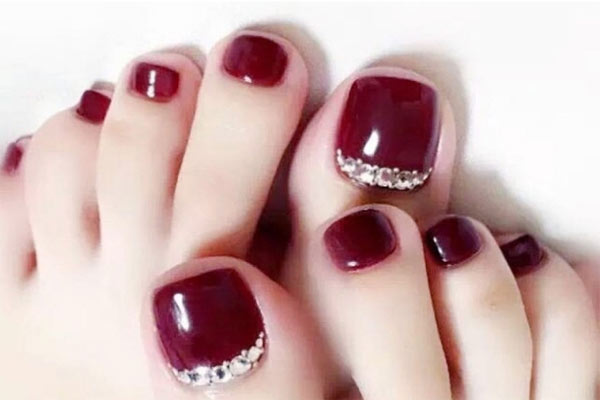
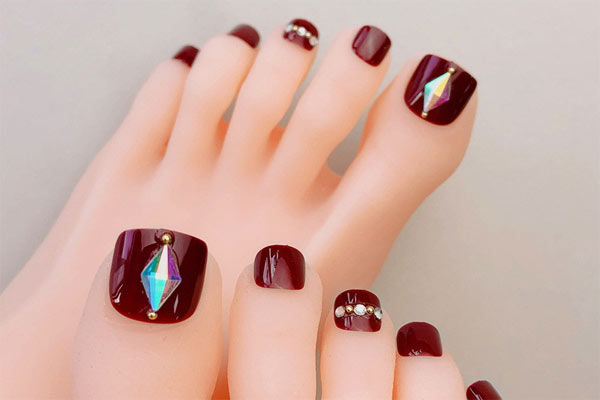
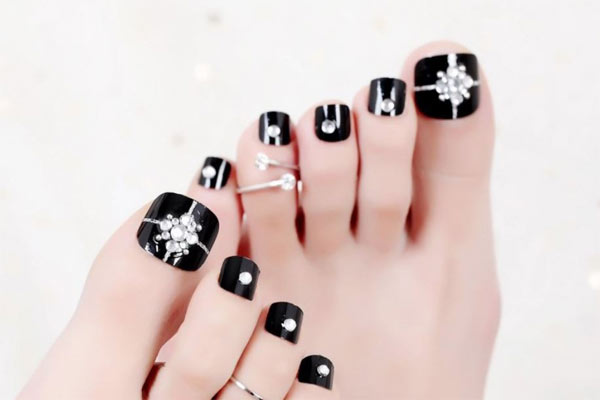
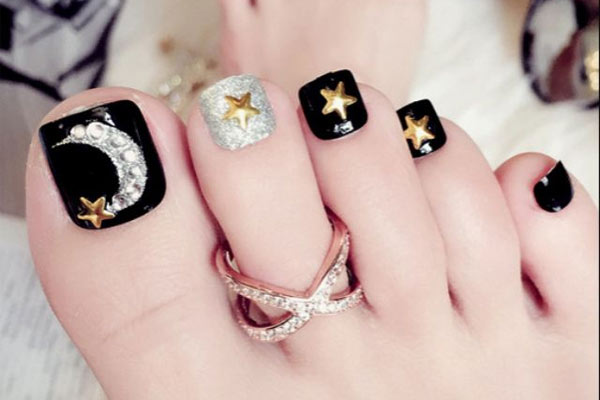
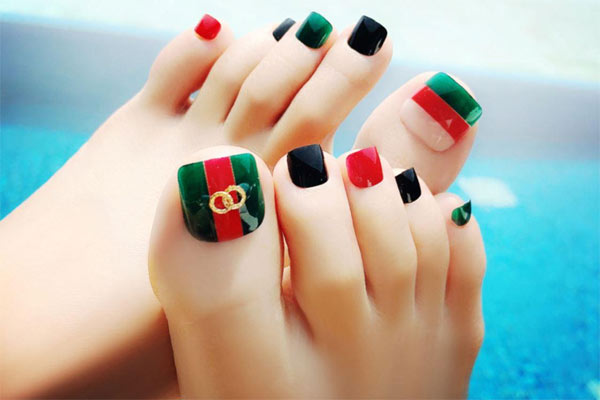
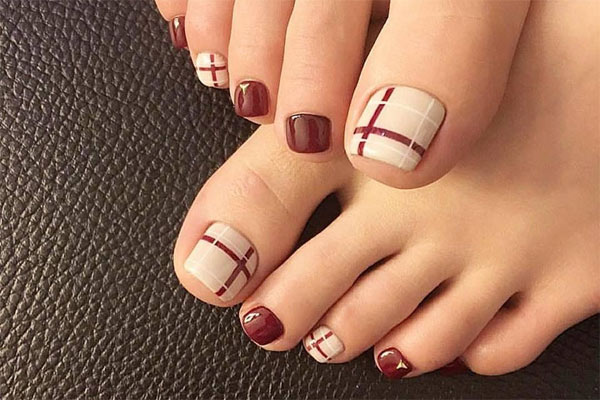
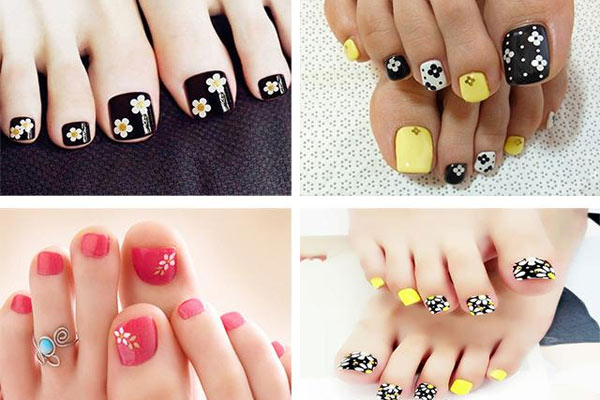
35–44. Pedicure ideas
Toenail art usually reads best when the most detailed motif sits on the big toe and the smaller nails repeat one or two colors. Keep embellishments smooth enough to fit comfortably inside shoes. Pain, pressure, or lifting is a reason to adjust the design, not something to tolerate for appearance.
Compare the main design directions
| Style | Best for | Maintenance consideration |
|---|---|---|
| Solid or sheer color | Quick, versatile wear | Chips are obvious on dark colors |
| Minimal line or flower | Short nails and subtle detail | Fine artwork depends on technician precision |
| Rhinestones | Events and statement accents | Raised pieces can catch or lift |
| Red and gold | Festive or Lunar New Year themes | Confirm the exact red under salon lighting |
| Mixed textures | Bold, customized sets | More techniques can mean more time and cost |
| Pedicure art | Sandals or coordinated sets | Avoid bulky elements under closed shoes |
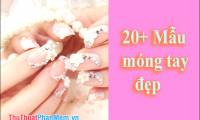
For another image-based reference collection, browse these 20+ nail design ideas.
What to tell the nail technician
- Show the reference and identify the exact parts you want to keep.
- State whether the design must work on natural nails or extensions.
- Agree on length, shape, base color, finish, and accent placement.
- Ask which parts are polish, gel, acrylic, glue, foil, stickers, or sculpted decoration.
- Confirm price, appointment time, removal method, and any maintenance visit.
- Tell the technician about previous irritation or allergy to nail products or adhesives.
Manicure and pedicure safety
Choose a clean salon that uses properly cleaned or single-use tools and good ventilation. Do not ask for cuticles to be cut aggressively: the surrounding skin helps protect the nail area. Avoid a manicure or pedicure over broken, inflamed, or infected skin.
The US Food and Drug Administration notes that nail products can cause infection or allergic reactions and recommends reading product warnings and using nail products in a well-ventilated area; see its nail-product safety guidance. The American Academy of Dermatology also provides manicure and pedicure safety advice.
- Stop using a product if you develop burning, itching, swelling, blistering, or a spreading rash, and seek medical advice when needed.
- Do not peel off gel, acrylic, or enhancements; use the removal method intended for that system.
- Moisturize nails and surrounding skin after polish removal if they feel dry.
- Give damaged or painful nails time to recover instead of covering the problem with another set.
- Seek professional evaluation for persistent color, thickness, separation, pain, or swelling changes.
The strongest design is one that still feels comfortable during ordinary life. Save two or three references, choose the shared elements, and adjust the scale and length to your real nails.
Related Articles
 20+ Best Nail Designs2 minutes read
 99+ Best Nail Models4 minutes read
 What Will Happen to Your Body After 10 Hours of Nail Polish7 minutes read
 How to Remove Nail Polish without Using Toxic Acetone5 minutes read
 Top 15 Websites with Many Beautiful Tattoo Designs14 minutes read
 What Is the Reason Why Many People Like to Bite Their Nails so Much9 minutes read
Reader Comments 0
Sign in with email or Google to join the discussion.