Table of Contents
A flattering hair color is not a universal shade that “brightens” every complexion. The result depends on depth, undertone, contrast, starting hair, and personal style. Use this gallery to identify a color family, then show the image to a colorist and discuss what your hair can reach safely.
Choose by depth, undertone, and maintenance
- Depth: Deep brown, black, and jewel tones usually create a subtler change than pale blonde, silver, or pastel colors.
- Undertone: Gold, copper, and cinnamon read warm; ash, smoke, blue, and moss read cool. Neutral shades balance both.
- Contrast: A shade close to your natural depth generally grows out more softly. A large jump in depth makes roots more noticeable.
- Hair history: Previous permanent color, bleach, henna, relaxers, and perms can change both the achievable result and the risk of damage.
- Reference lighting: Compare photos taken indoors and outdoors. Filters and warm lighting can make the same formula look very different.
You can use one of these hair-color preview apps for iPhone to compare broad color families. Treat the mock-up as a style aid, not a prediction of the chemical result.
Deep and jewel-toned colors
1. Burgundy red
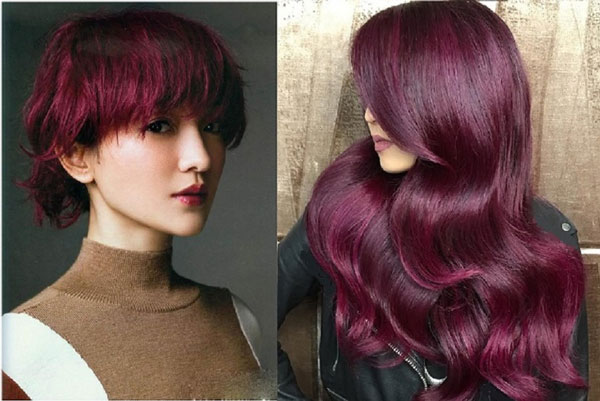
Burgundy combines deep red with brown or violet. A copper-red version feels warmer; a wine or violet version feels cooler. On dark hair it may appear subtle indoors and brighter in direct light. Ask how quickly the red pigment is expected to fade and how to keep it from transferring to towels.
2. Dark purple-black
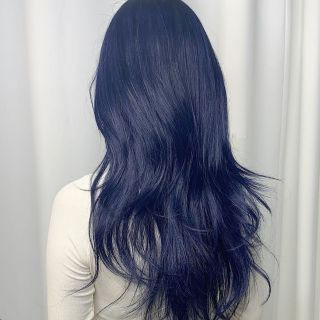
Purple-black keeps the overall depth of black hair while adding a violet reflection. Whether lightening is required depends on the starting color and how visible you want the purple to be. It is a lower-contrast option than pastel lavender, but still needs color-safe care.
3. Smoky black
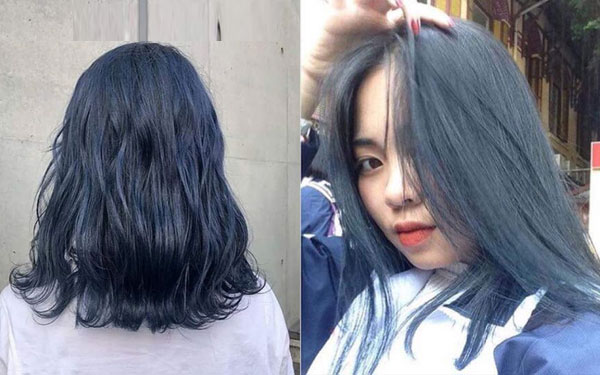
Smoky black is a soft black with an ash or charcoal cast. It avoids some of the blue intensity of blue-black, but permanent black can be difficult to remove later. If you may want to go lighter, discuss a demi-permanent or gloss option first.
4. Vivid blue
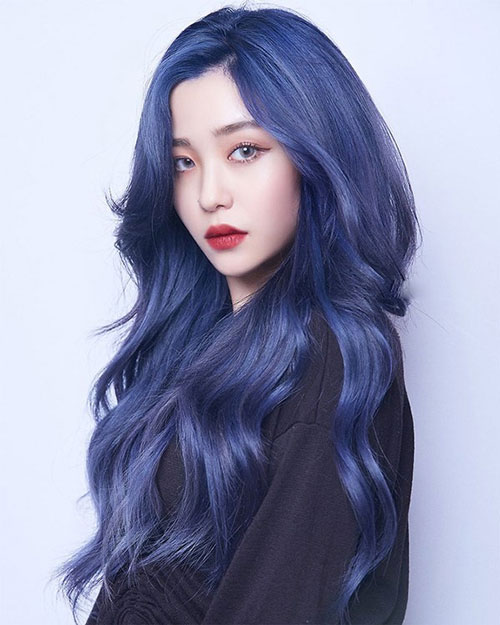
A clear blue is a high-impact fashion shade. Bright blue generally needs a light, even base to avoid a muddy or green result. It can also stain porous hair and surfaces, so ask about fade stages before choosing the intensity.
Color-placement techniques
5. Balayage
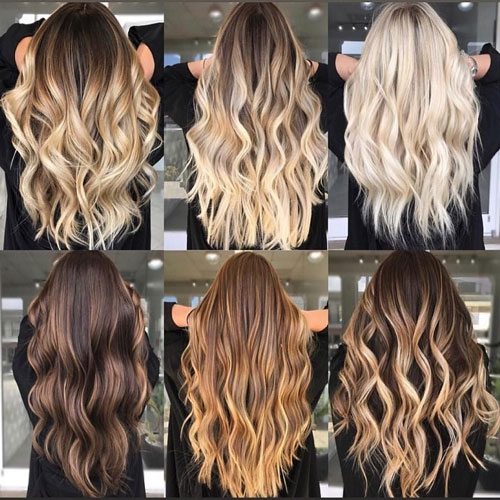
Balayage is a placement technique, not one color. Lightener or dye is painted to create a graduated, often sunlit effect with deliberate depth near the roots. It can grow out softly, but the ends may still require significant lightening and conditioning.
6. Ombre
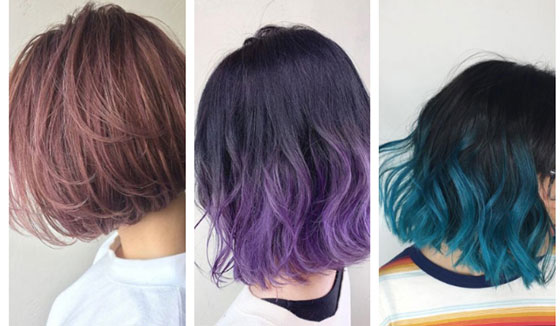
Ombre creates a more obvious transition from one shade at the roots to another at the ends. The color pair can be natural or creative. Ask where the transition will begin and how it will be blended; a hard horizontal band is difficult to correct.
7. Smoky accent color
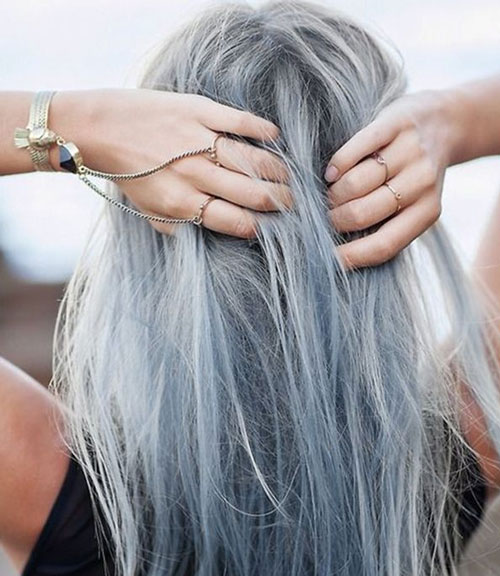
“Smoky” can describe brown, gray, blue, or silver with muted ash pigment. Try it as an all-over tone, highlights, or colored ends. Cool toner fades, so the lightened base underneath and the maintenance routine determine how the shade changes.
Warm brown and golden shades
8. Golden brown
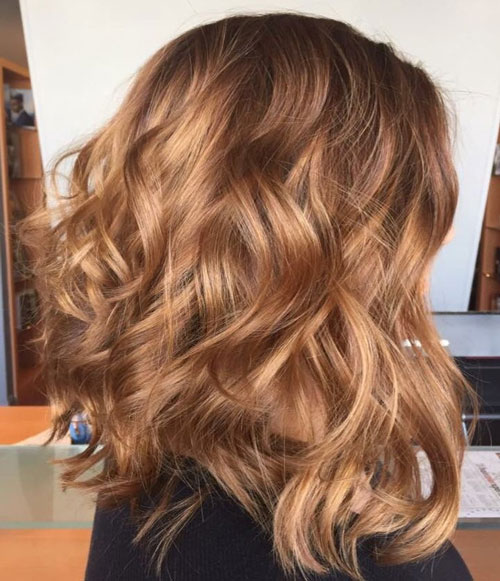
Golden brown adds honey or yellow-gold light to a brown base. It can create dimension without reaching blonde. If your hair tends to expose orange warmth, be specific about whether you want golden, copper, or neutral brown.
9. Chestnut brown
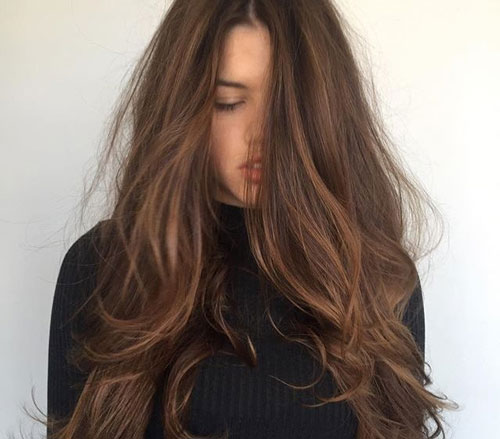
Chestnut is a medium warm brown with a restrained red cast. It is more natural-looking than bright copper and can be customized lighter or deeper. A gloss can refresh richness when the red-brown tone begins to look flat.
10. Chocolate brown
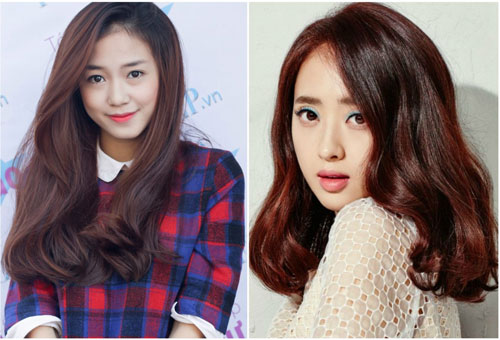
Chocolate brown is a rich neutral-to-warm brunette. It is useful when you want depth and shine without obvious red or ash. Ask for highlights or lowlights if a single dark tone would look too solid for your preferred style.
11. Cinnamon brown
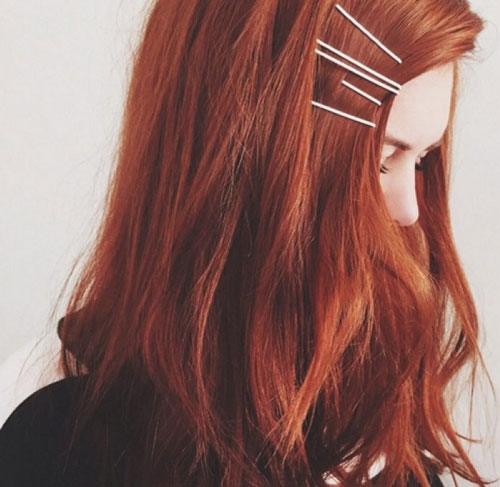
Cinnamon mixes brown with copper or orange. It is livelier than chestnut and softer than a vivid orange-red. The copper component can fade quickly, so clarify whether you are comfortable using a color-depositing conditioner recommended for your formula.
12. Rose gold
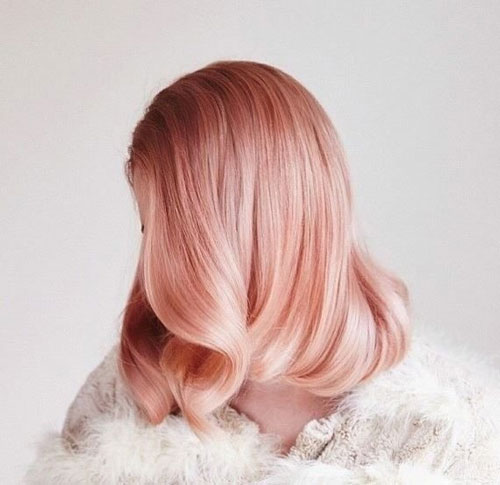
Rose gold combines blonde or beige with pink and a small amount of warmth. A light, even base is usually needed for a clear pastel result. On a warmer base it may appear peach; on a very pale base it can look cooler and pinker.
13. Reddish brown
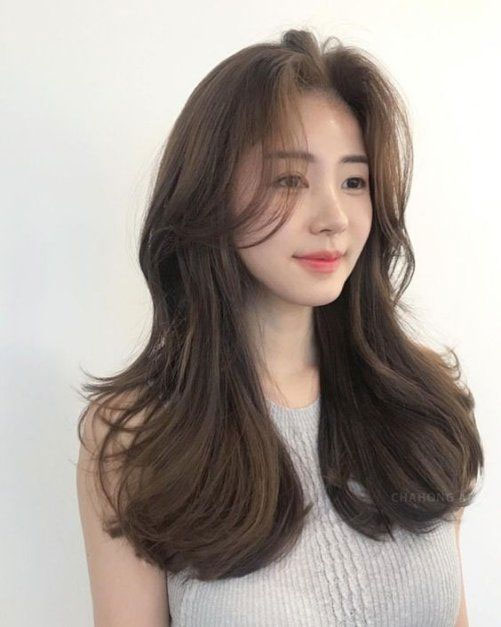
This balanced red-brown sits between chestnut and burgundy. Adjusting the ratio makes it subtle or bold. It is a practical reference when “Western brown” or another salon name is unclear—show the photo and describe the amount of visible red you want.
Cool, neutral, and green-leaning shades
14. Cool ash brown
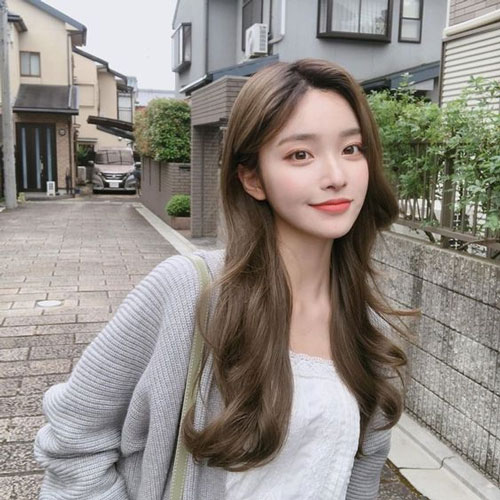
Ash brown uses blue or green-based pigment to mute red and orange. It can look neutral in indoor light and cooler outdoors. Over-toning porous hair can make the ends look dull, so the formula may need different treatment at the roots and lengths.
15. Moss brown
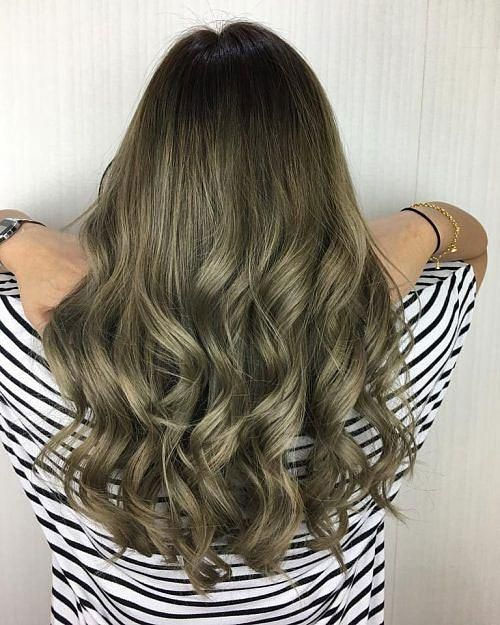
Moss brown adds a muted green cast to brown. The effect may be barely visible or clearly creative depending on the base. Because green and red counteract each other, correcting or changing this shade later needs careful color planning.
16. Milk tea brown
Milk tea brown is a soft beige-brown that may lean neutral, golden, gray, pink, or violet. Shade names vary widely, so bring a reference and ask about the starting level, lightening, and toner maintenance. Pale versions are much more demanding than chocolate or caramel variations.
17. Graphite gray
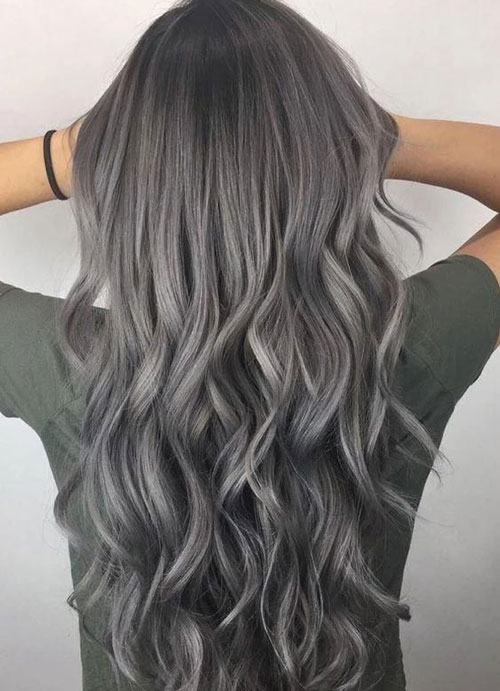
Graphite is a deep charcoal gray, sometimes with blue or violet undertones. It usually needs an evenly lightened base if you want the gray to read clearly rather than as soft black. Silver and gray formulas often require regular toning as warmth returns.
18. Dark blue
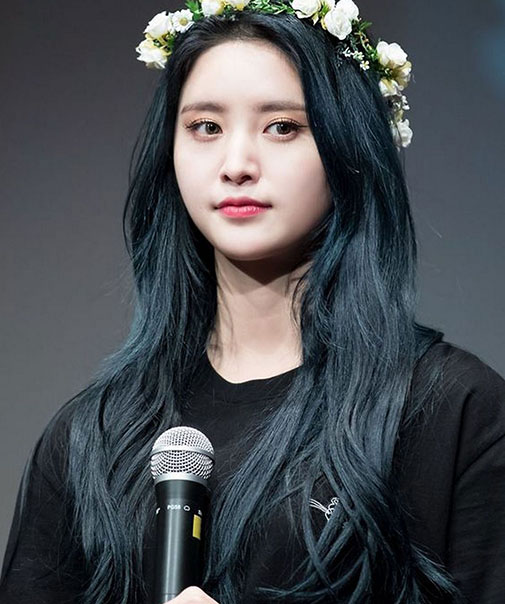
Dark blue or navy is less vivid than cobalt and can look almost black away from bright light. It is useful for a creative effect with less contrast, but blue pigment can linger in porous ends. Discuss removal before applying it over previously lightened hair.
19. Moss blonde

Moss blonde combines a light blonde base with muted green or khaki. It is more fashion-forward than moss brown and therefore typically requires more lift. A clean, even base helps prevent patchy or overly yellow areas.
20. Honey brown
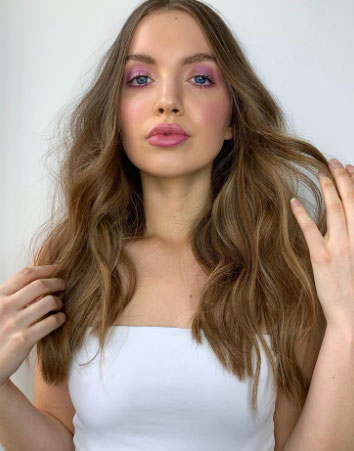
Honey brown is a warm brown with golden highlights. It can be created as an all-over color or through dimensional pieces around the face and lengths. Keeping some natural depth at the root can reduce the contrast as hair grows.
Questions to ask before the appointment
- What level is my hair now, and what level does this reference require?
- Can the result be reached safely in one session?
- How will previous dye or chemical services affect the formula?
- What will the color look like after several washes?
- How often will roots, toner, or gloss need service?
- What is the estimated total cost, including maintenance?
- Can you perform a strand test before a major correction or lift?
For more visual references, browse these hair-color gallery ideas. The page is an older collection, so use it for examples rather than as a current trend forecast.
Use hair dye safely
Follow the product label and professional instructions. The US Food and Drug Administration advises a skin test before every dye application, wearing gloves, keeping dye away from the eyes, never using scalp hair dye on eyebrows or eyelashes, observing the stated processing time, and rinsing the scalp well. Read the full FDA hair-dye safety checklist. Do not dye an irritated, sunburned, or damaged scalp, and seek medical help for a serious reaction.
No color is universally flattering or maintenance-free. The best choice is one that fits your visual goal, starting hair, budget, and tolerance for upkeep.
Related Articles
 Beautiful Hair Color for the Summer of 20203 minutes read
 50+ Beautiful Hair Colors 20203 minutes read
 These Milk Tea Hair Dye Colors Are Beautiful5 minutes read
 Beautiful Hair Color Palette 20203 minutes read
 30+ the Best Curling Hair Styles 20203 minutes read
 Beautiful Short Hair: 13 Beautiful and Stylish Short Female Hairstyles6 minutes read
Reader Comments 0
Sign in with email or Google to join the discussion.