Table of Contents
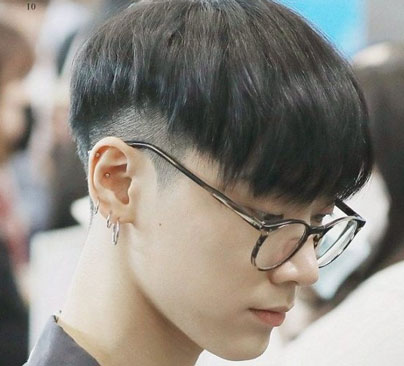
A bowl cut is a short-to-medium haircut with a rounded perimeter around the head, often paired with a straight or softly textured fringe. Traditional versions look almost one length; modern versions use an undercut, taper, layers, or broken texture to reduce the heavy “helmet” effect.
Do not confuse a bowl cut with a mullet: a mullet keeps deliberate length at the back, while a bowl cut emphasizes a rounded cap. A two-block cut can resemble a modern bowl because its longer top falls over shorter sides, but its sections are more clearly disconnected.
Is a bowl cut practical for your hair?
- Straight hair shows the perimeter clearly and usually creates the classic shape with the least styling.
- Wavy hair makes the outline softer and more irregular; extra length may be needed to account for lift.
- Curly hair can create a rounded crop, but shrinkage and bulk must be planned rather than cut as if the hair were straight.
- Fine hair benefits from a strong outline and restrained layering.
- Dense hair may need hidden weight removal so the cap does not expand too widely.
Face shape does not determine whether you are “allowed” to wear the cut. It affects the silhouette: a lower, wider fringe emphasizes width; shorter sides and height at the crown make the outline look longer. Choose the effect you want.
6 men's bowl haircut variations
1. Classic rounded bowl cut
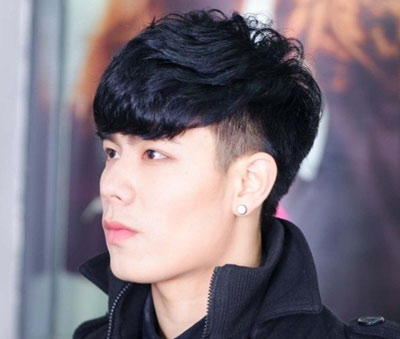
The classic version uses a continuous fringe and rounded side shape. It can sit near the eyebrows for drama or higher on the forehead for a lighter result. Ask whether the back should follow the same line or taper closer at the nape.
2. Short-sided bowl cut

Cutting the sides shorter narrows the silhouette and makes the upper cap more prominent. A soft taper creates a gradual transition; an undercut creates a visible disconnect. Show the barber which version you mean.
3. Bowl cut with a tapered nape

A tapered or faded nape keeps the back clean while the top remains rounded. The sharper the taper, the more quickly the shape will lose its fresh outline as it grows.
4. Cropped micro-fringe bowl

A short fringe ending around the middle or upper forehead gives the bowl shape a graphic edge. The line can be blunt or slightly broken. Cowlicks at the hairline may make this fringe require daily styling, so discuss the natural growth direction first.
5. Layered textured bowl cut

Layers break up the solid cap and let pieces move separately. This is useful for dense hair or for a softer finish, but removing too much weight from fine hair can make the perimeter look sparse. More examples of graduated shapes appear in this men's layered haircut guide.
6. Short athletic bowl crop

This compact version reduces top length while keeping a visible rounded fringe. It is easier to keep off the ears and neck than a full bowl, although the short outline may need more frequent trims.
Bowl cut, two-block, or mullet?
| Style | Defining shape | Back length | Transition |
|---|---|---|---|
| Bowl cut | Rounded cap and visible perimeter | Usually short to medium | Can be blended or undercut |
| Two-block | Longer top over distinctly short sides/back | Usually controlled at the nape | Deliberately disconnected |
| Mullet | Shorter front/sides with deliberate rear length | Longer and emphasized | Varies from soft to extreme |
If none of these outlines fits your goal, compare broader references in this gallery of simple men's hairstyles.
What to ask the barber
- Where should the fringe end when dry?
- Should the line be blunt, rounded, point-cut, or visibly textured?
- Do you want the ears covered, partly visible, or fully exposed?
- Should the sides blend into the top or sit beneath it as an undercut?
- How short should the nape be, and should the neckline be natural, rounded, or squared?
- What product and drying direction reproduce the reference?
Bring front, side, and back views when possible. A bowl cut is defined by its full outline, so one front-facing photo leaves too much of the shape unspecified.
Styling and maintenance
- Blow-dry the fringe in the direction it naturally falls before adding product.
- Use a light cream for smooth separation, matte paste for broken texture, or no product if the cut already sits correctly.
- Condition the ends if the top is bleached, permed, or heat-styled.
- Schedule a cleanup when the fringe, ear line, or nape no longer holds the intended outline.
- If you plan to grow it out, ask the barber to soften the perimeter gradually instead of repeatedly rebuilding the same cap.
The bowl cut works best when its perimeter is deliberate and its internal weight matches your texture. Use the style name to begin the conversation, then specify the fringe, sides, nape, and level of disconnection.
Related Articles
 Things to Note When Buying a Bowl Dryer9 minutes read
 Select: How to Make a Glass Bowl with a Napkin in Blender12 minutes read
 MS Word - Lesson 7: How to Use Styles7 minutes read
 18 Types of Sculptures Are Very Characteristic of the First People3 minutes read
 How to Watch Super Bowl 54 Live on Phone, Computer4 minutes read
 MS Word - Lesson 7: Styles: Microsoft Word 20073 minutes read
Reader Comments 0
Sign in with email or Google to join the discussion.