Table of Contents
Small tattoos can work as discreet symbols, delicate line art, or compact floral designs, but size does not make the decision temporary. Use these 44 examples as visual references, then ask a reputable artist to adapt the composition to your body, skin, and preferred level of detail rather than copying an image exactly.
How to choose a small tattoo
- Start with the meaning. Decide whether the image represents a person, place, memory, value, or simply a visual style you enjoy.
- Test the scale. Very fine lines and tiny gaps can become less distinct as skin changes and ink settles. Ask the artist how the design is likely to age at the proposed size.
- Check the placement in motion. View a temporary stencil while sitting, standing, bending, and wearing typical clothing or jewelry.
- Plan for visibility. Consider workplace rules, sun exposure, and whether you want to see the design easily or conceal it.
- Review the artist's healed work. Fresh tattoos do not show how line weight, spacing, and color will look months later.
You can also compare more mini tattoo examples or use one of these apps for previewing tattoo designs on a photo. A digital preview is only a rough visualization; placement and proportions should still be checked with a real stencil.
Popular placements for mini tattoos
Common locations include the wrist, forearm, upper arm, shoulder, ankle, calf, finger, behind the ear, and the back of the neck. Each has tradeoffs. Hands and fingers experience frequent washing, friction, and sun; joints move and crease; ankles may rub against footwear; and exposed areas need consistent sun protection after healing. Pain, healing, and fading vary by person, placement, technique, and aftercare, so avoid promises based on a simple “pain chart.”
Small floral and line-art ideas
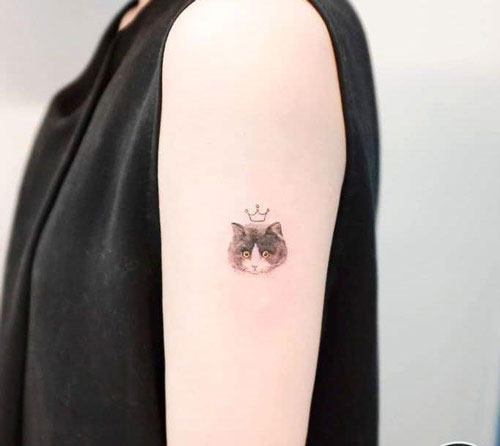
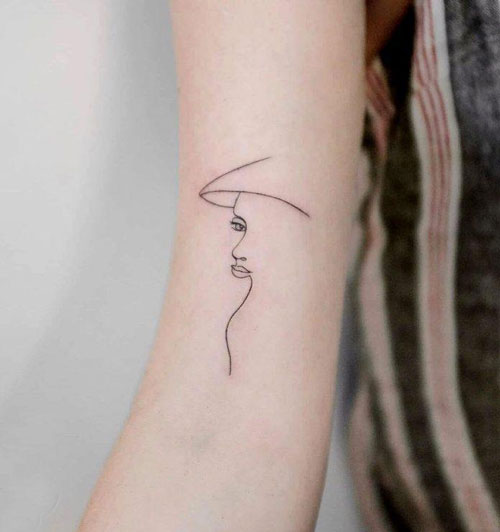
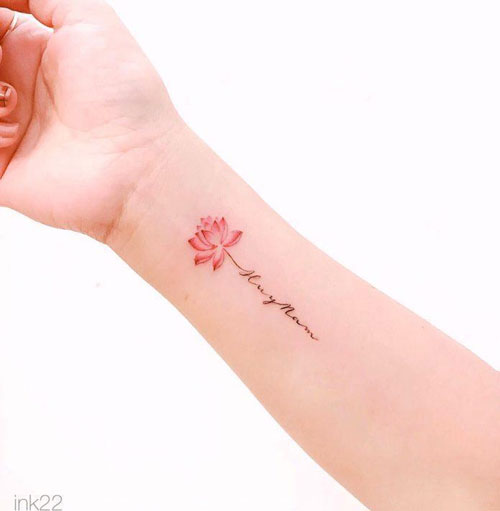
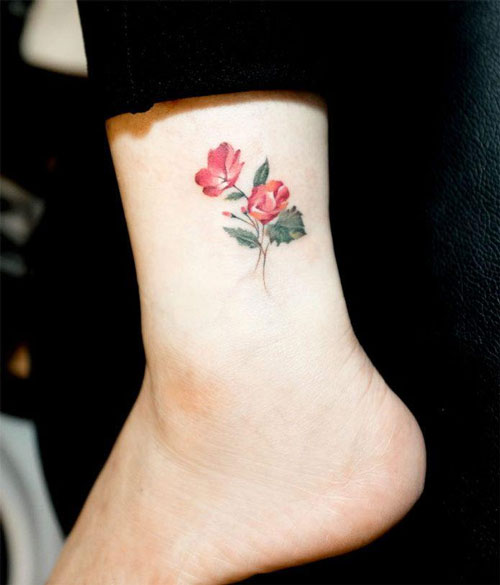
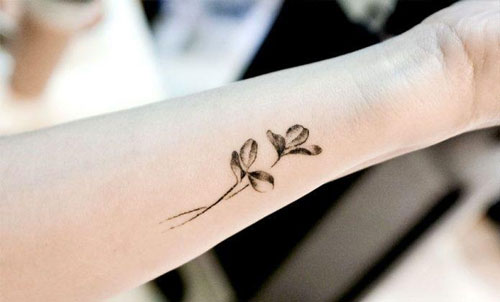
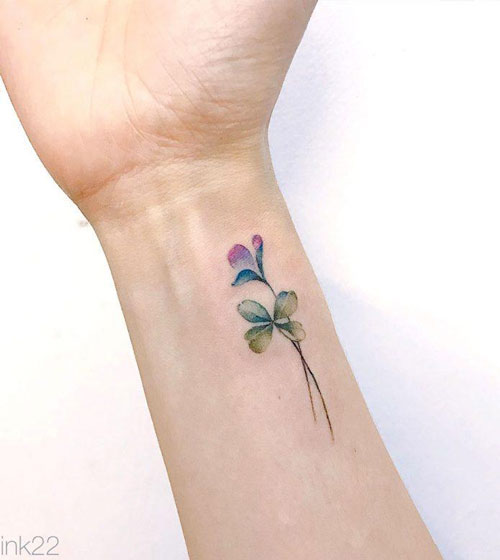
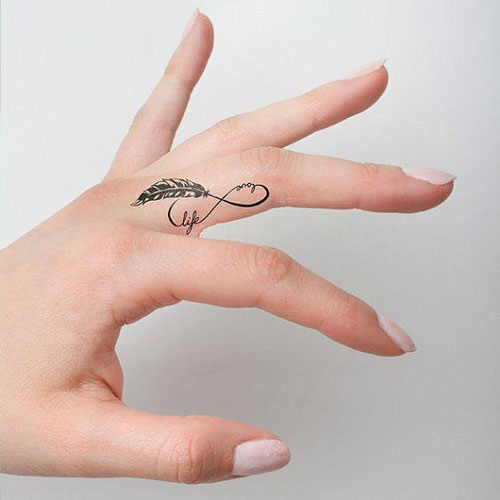
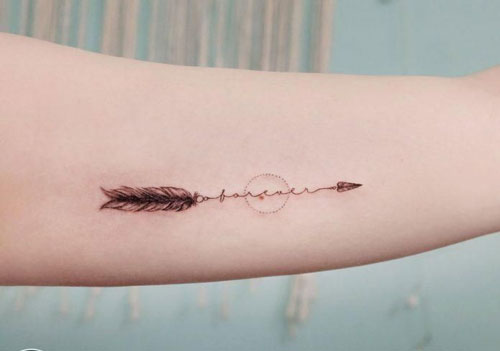
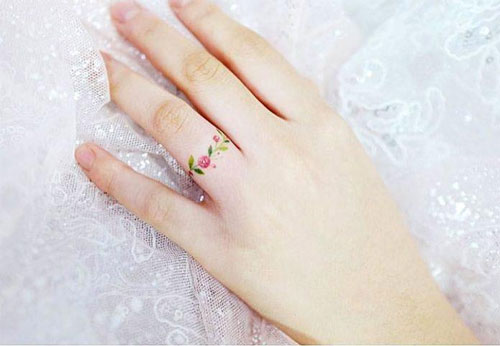
The original collection credits the first group of examples to Nguyễn Thị Hải Hà. Use them to discuss line weight, spacing, and size with your artist.
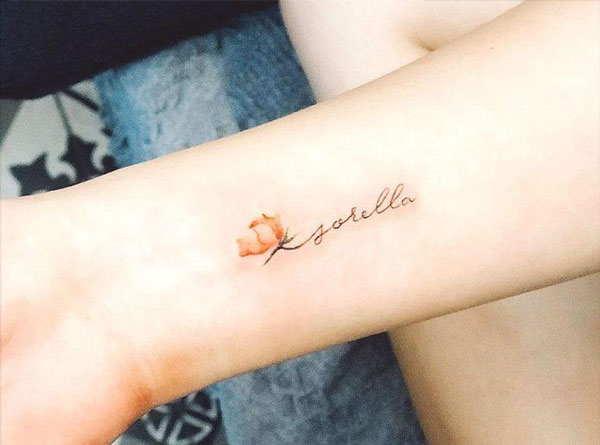
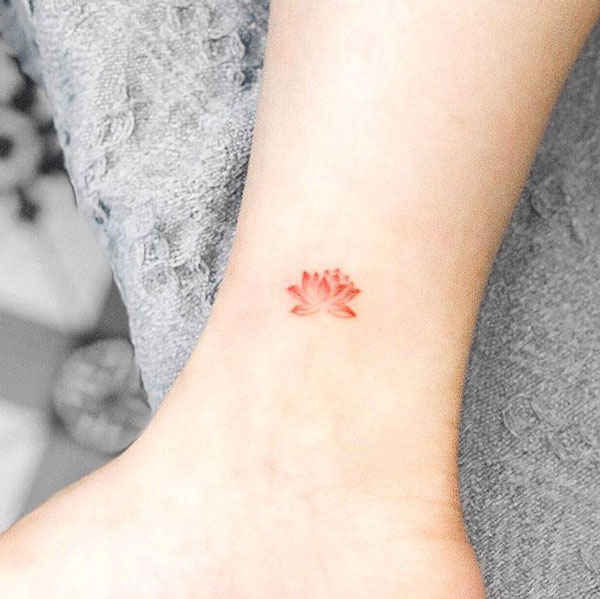
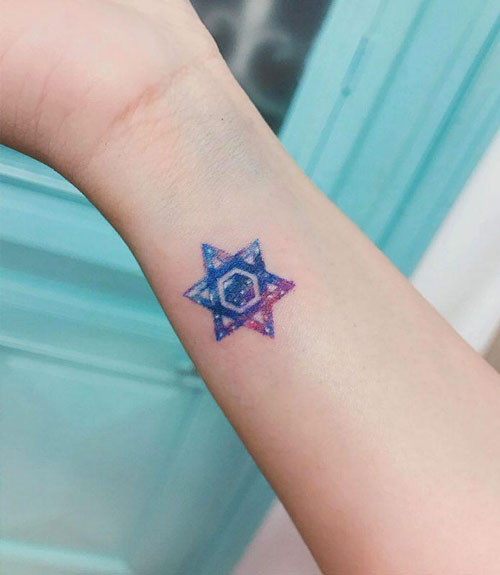
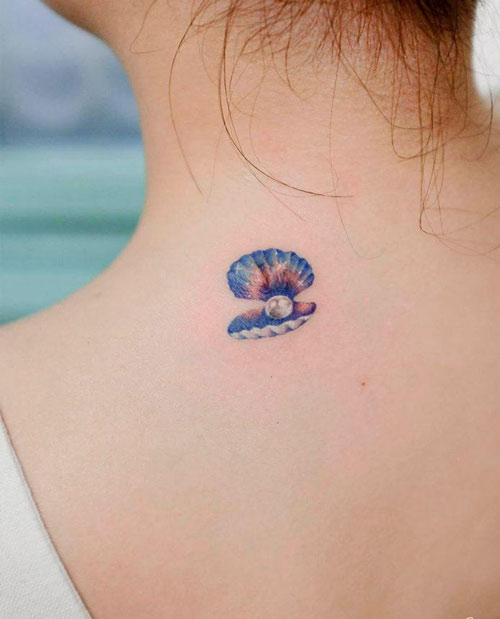
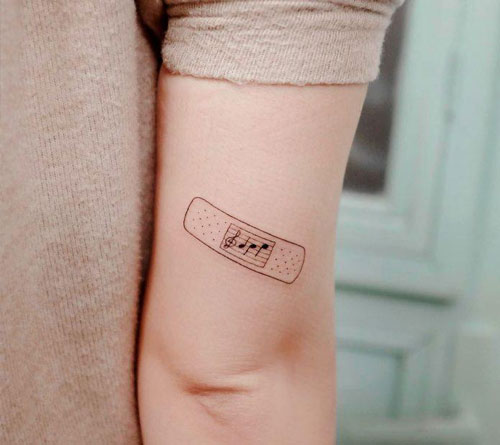
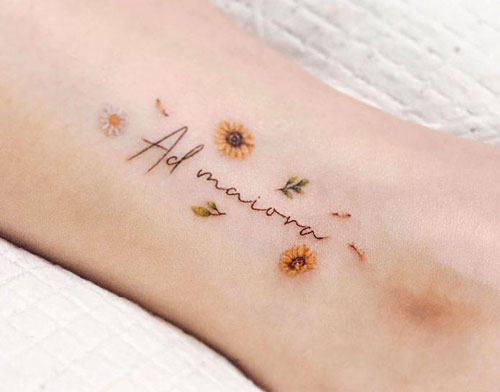
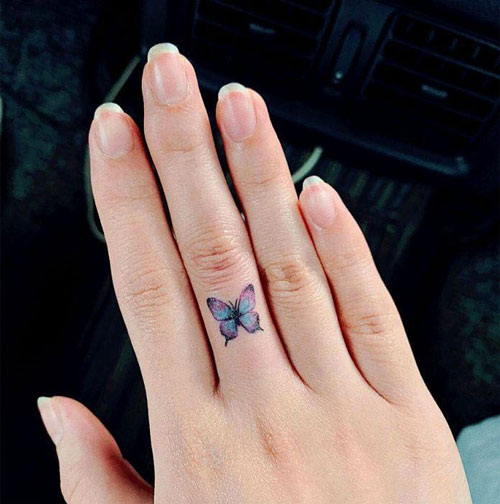
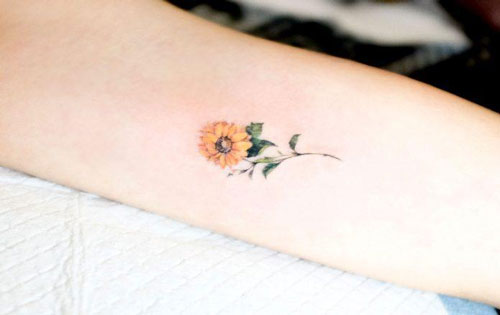
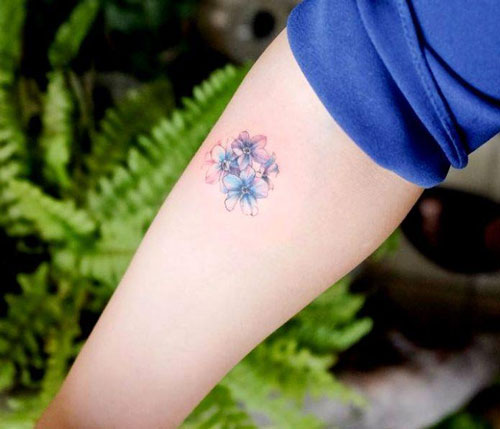
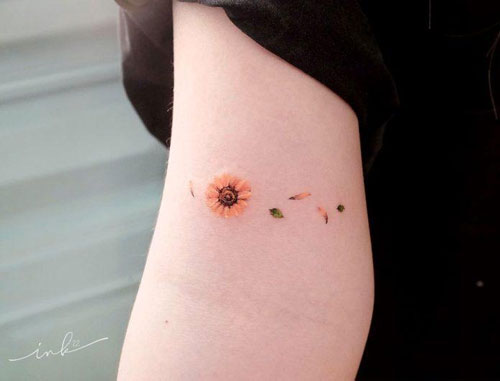
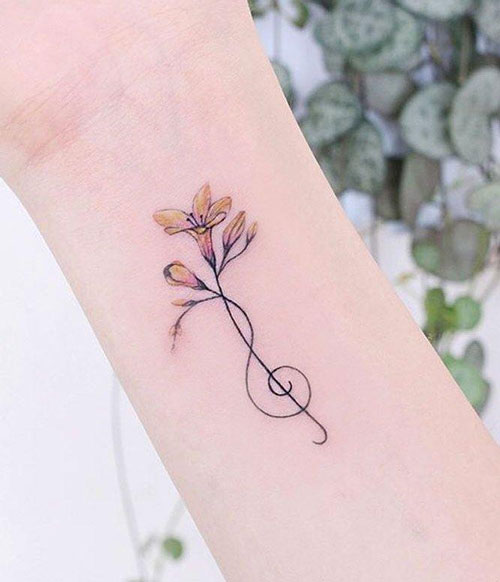
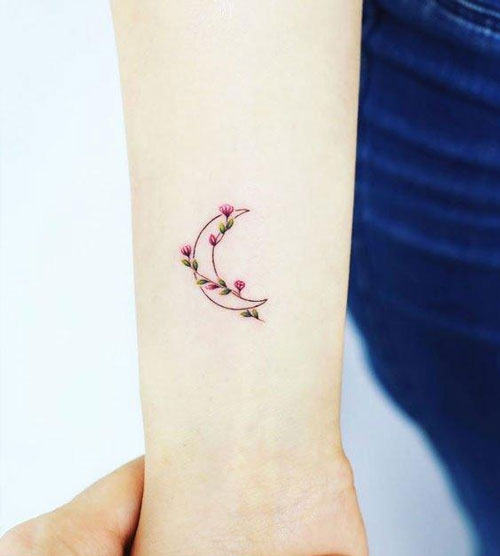
Small designs for the arm and wrist
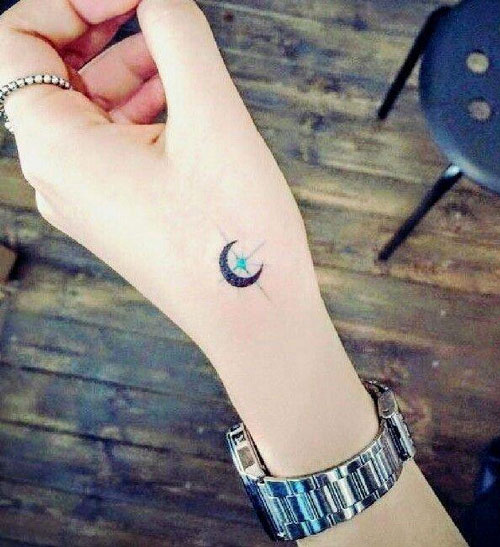
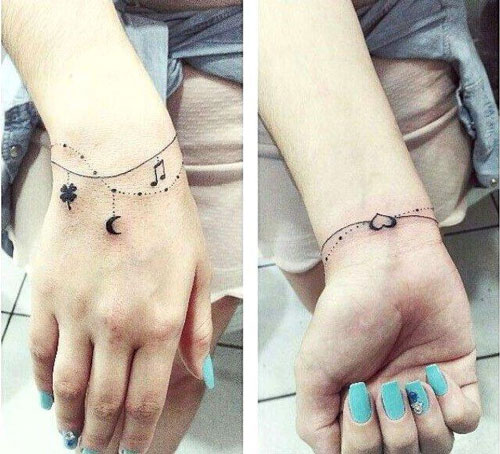
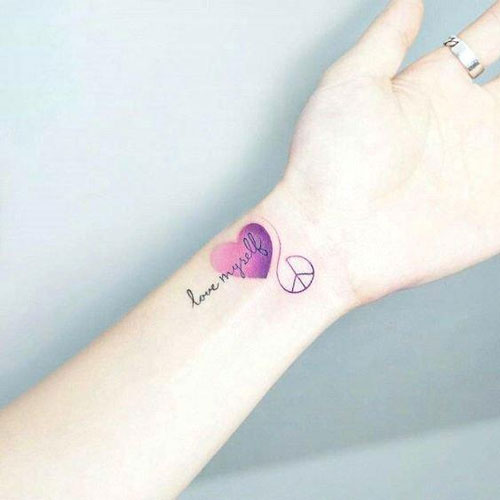
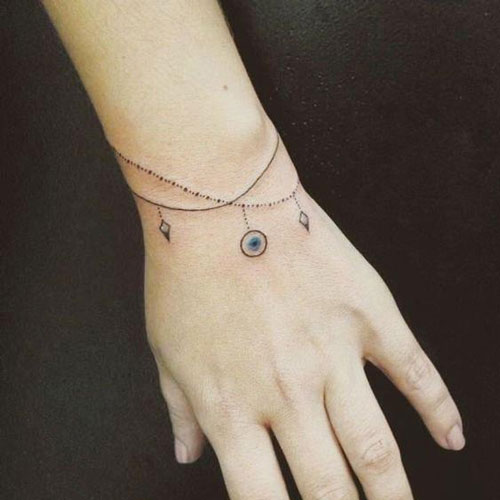
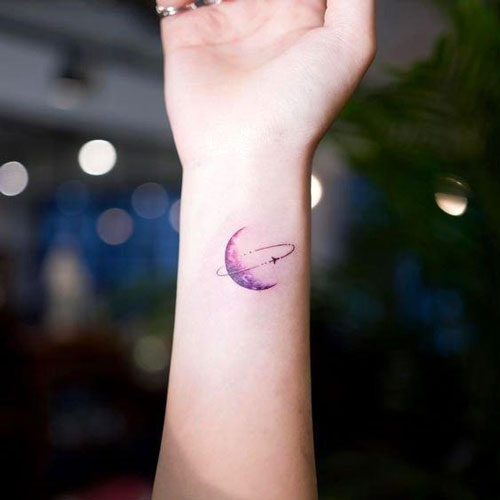
Arm and wrist placements make a small design easy to see. Check how a stencil sits beside a watch or bracelet and how it changes when the wrist bends.
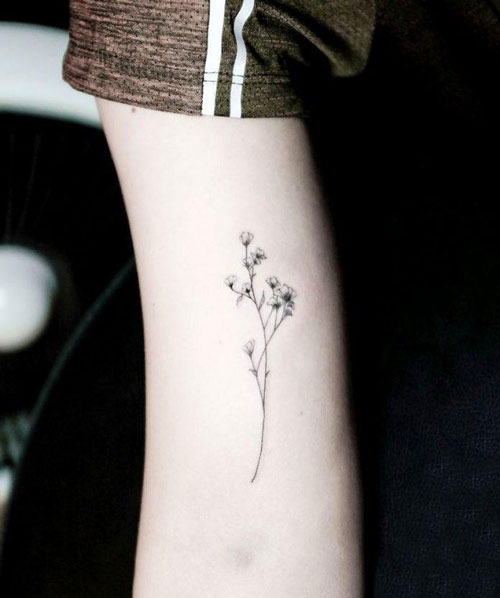
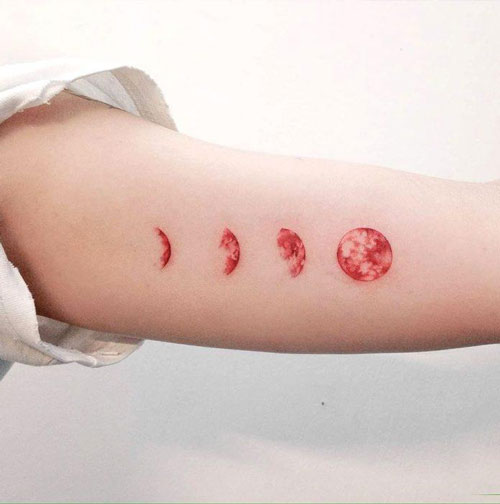
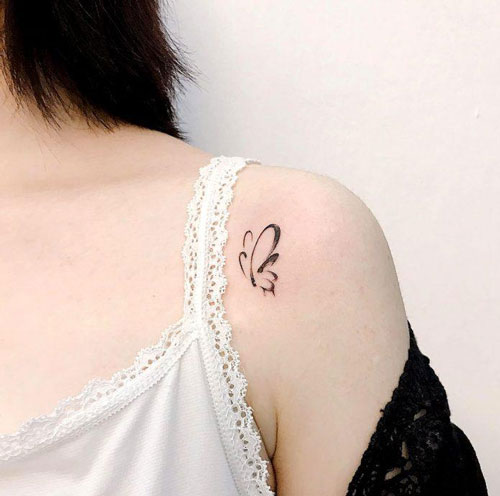
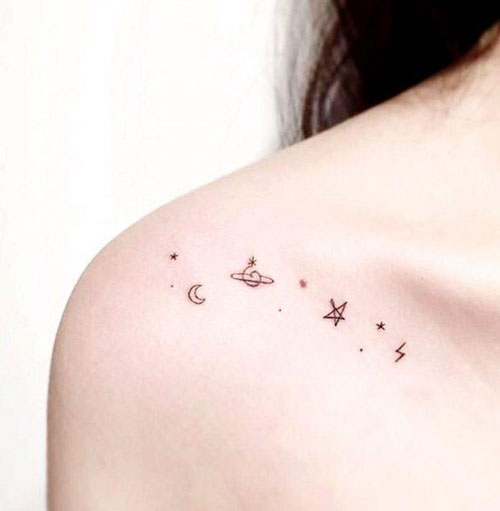
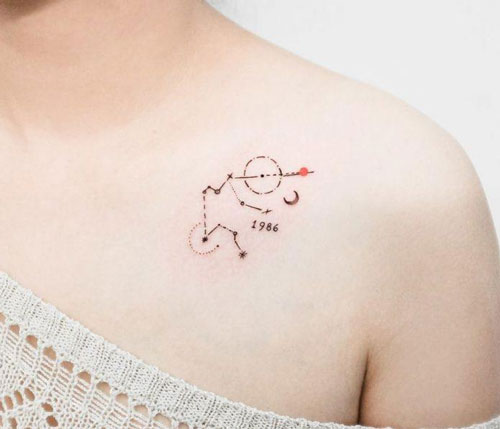
Small shoulder and floral designs
The shoulder provides more room to enlarge a design later, while a placement near clothing straps may experience friction during healing.
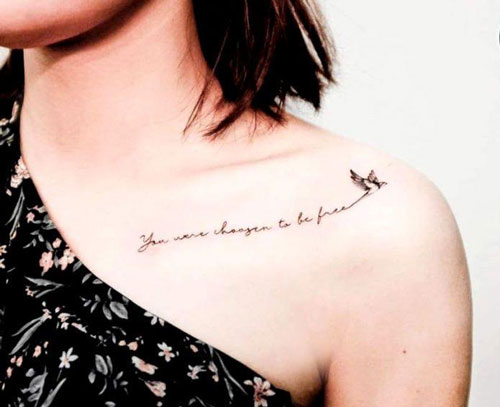

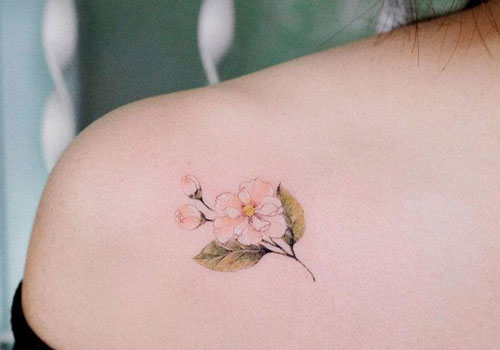
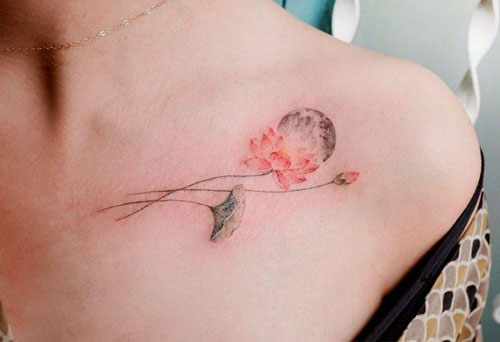
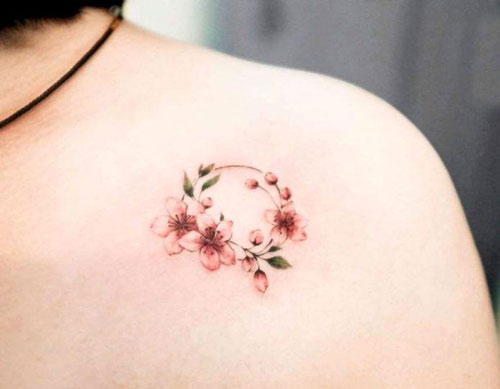
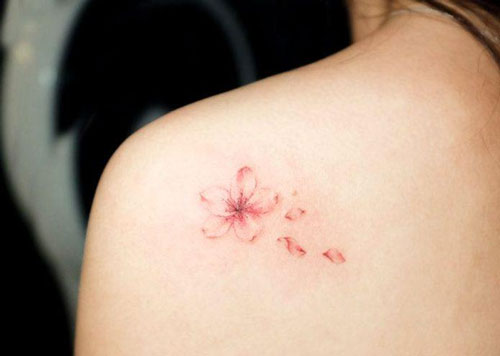
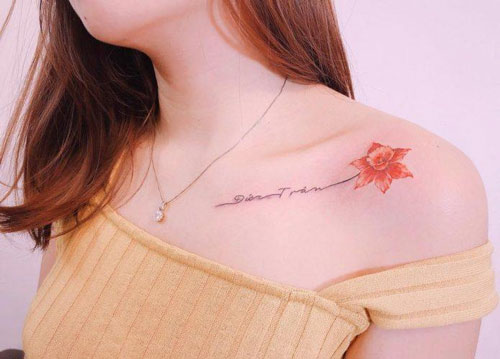
Floral shoulder example:
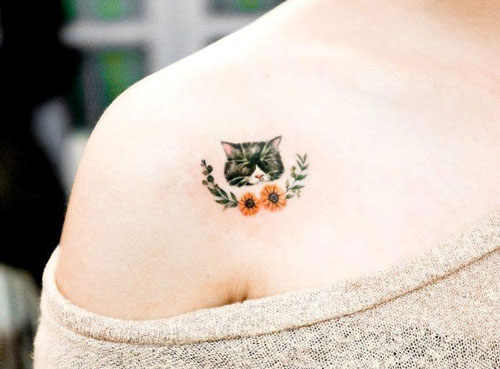
Additional mini tattoo references
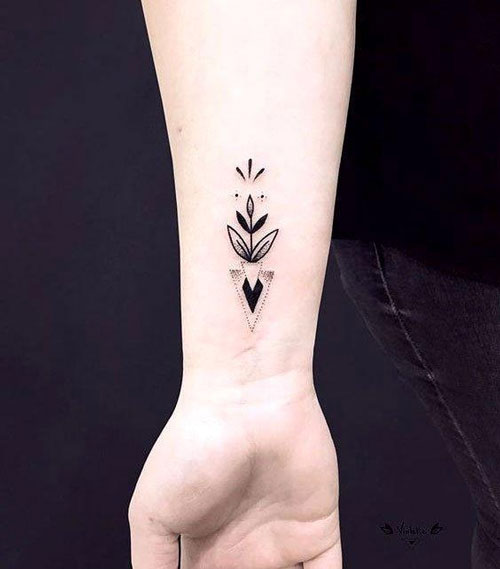
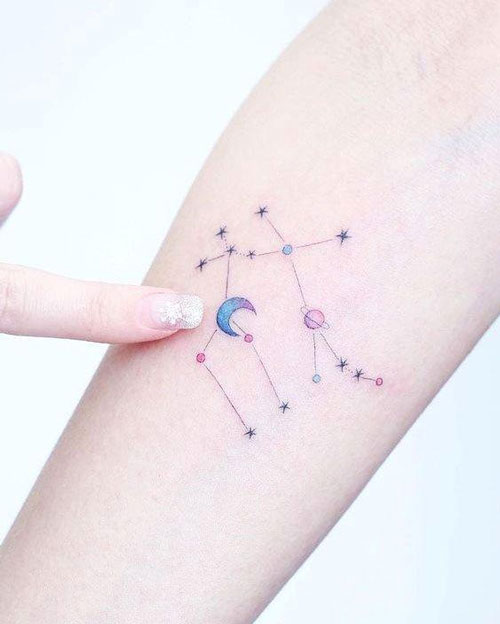
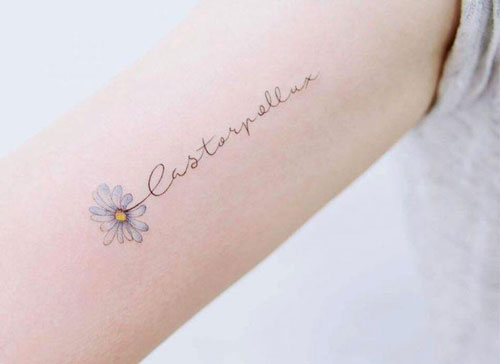
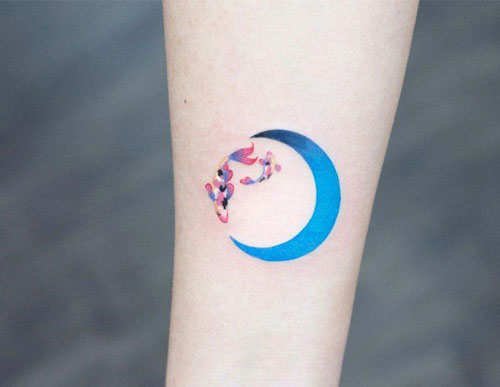
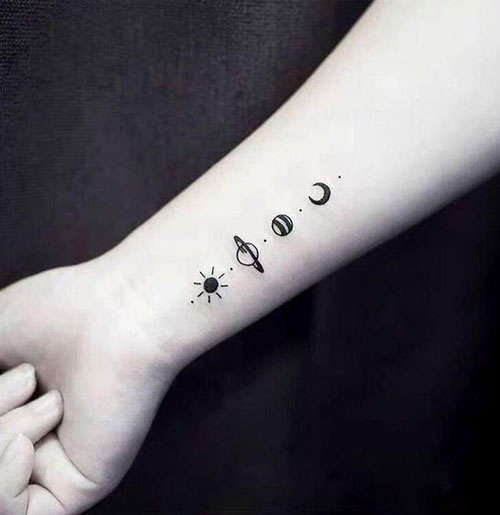
This final group gathers more small motifs and placements. Bring several references to a consultation and identify the elements you like—such as composition, line weight, or negative space—instead of asking for an exact copy of another person's tattoo.
Choose a safer tattoo studio
Rules vary by location, so check the studio's current license or inspection status with the relevant local authority. Before the appointment, ask how the artist handles sterilization, single-use needles, disposable ink caps, gloves, contaminated waste, and surface disinfection. A clean-looking room is not enough if reusable equipment and ink are handled incorrectly.
The US Food and Drug Administration notes that tattooing can involve risks including infection, allergic reactions, granulomas, keloid formation, scarring, and problems with removal. Its tattoo and permanent-makeup fact sheet provides a useful risk overview. If you have a history of keloids, skin reactions, significant allergies, immune problems, or take medicines that affect bleeding or healing, ask a qualified clinician whether you need individual advice before booking.
Practical aftercare
Follow the written instructions from the artist who performed the tattoo, because the dressing and product used affect when it should be removed or changed. General precautions include:
- Wash your hands before touching the area and clean it only as directed.
- Do not scratch, pick, or peel flaking skin and scabs.
- Avoid soaking the tattoo in a bath, pool, hot tub, lake, or sea until it has healed.
- Reduce friction from tight clothing, watch bands, shoes, or straps over the area.
- Keep a healing tattoo out of direct sun; after it heals, protect it from ultraviolet exposure.
- Use only aftercare products recommended for your situation, and stop using a product if a reaction develops.
Blanket food bans are not evidence-based aftercare. Unless a clinician has told you otherwise, the important priorities are hygiene, avoiding contamination and trauma, following the dressing instructions, and watching for a worsening reaction.
When to seek medical help
Some soreness, mild redness, or swelling can occur initially, but symptoms should not keep worsening. Contact a healthcare professional promptly if redness spreads, the area becomes increasingly hot or painful, swelling grows, pus or unusual discharge appears, or you develop fever, chills, red streaks, or feel unwell. The FDA also advises reporting adverse reactions linked to tattoo ink; its tattoo-safety guidance explains potential immediate and delayed reactions.
Do not try to treat a suspected infection solely with leftover antibiotics, harsh chemicals, or unverified online remedies. Keep the studio and ink information in case a clinician needs it.
Before you commit
Save your chosen references for a few weeks, view the design at actual size, confirm spelling and orientation, and request an original adaptation. Ask about the total price, deposit, touch-up policy, expected session time, aftercare supplies, and what to do if a reaction occurs. A short consultation can prevent a permanent design from becoming a rushed decision.
Related Articles
 Top 9 Beautiful Tattoo Websites10 minutes read
 Top 15 Websites with Many Beautiful Tattoo Designs14 minutes read
 Beautiful Tattoo for Women 20203 minutes read
 The Most Beautiful White Ink Tattoo Designs: Complete Overview5 minutes read
 Top 10 Websites with Many Beautiful Tattoos: Main Insights10 minutes read
 Rose Tattoo - the Most Beautiful Rose Tattoo Patterns5 minutes read
Reader Comments 0
Sign in with email or Google to join the discussion.