Table of Contents
A useful study prompt tells ChatGPT what you are learning, which sources to use and how to test your understanding. Use the workflow below to turn course material into explanations, one-question-at-a-time practice and a review sheet you can check against the original.
1. Set the topic, level and source rules
Provide the syllabus, relevant notes and a small set of practice questions. If you use Projects, keep the course files and instructions together. Do not upload personal information or course material you are not allowed to share.
I am studying [topic] at [level] for [goal]. Use the attached notes and [named textbook or syllabus] as the main references. First list the topics covered and identify unclear or missing information. Distinguish statements supported by my files from additional explanations. Do not invent page references.
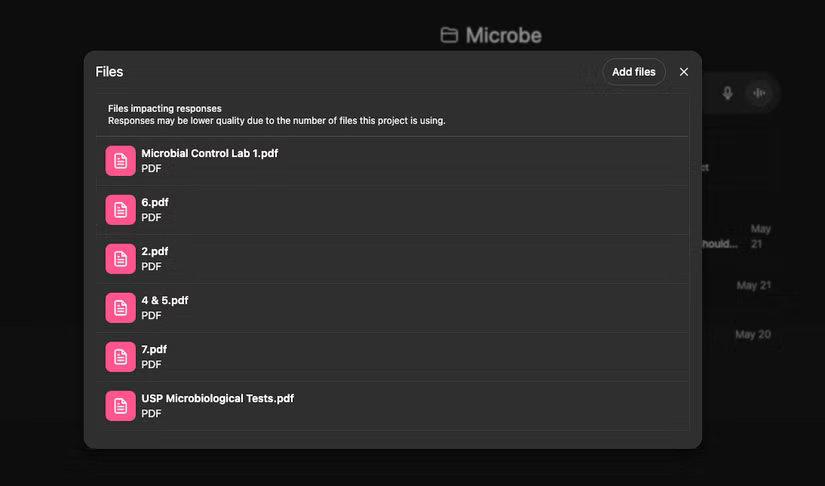
Ask it to confirm that the relevant pages or questions are readable. Scans, equations and diagrams may need a clearer image or a pasted transcription.
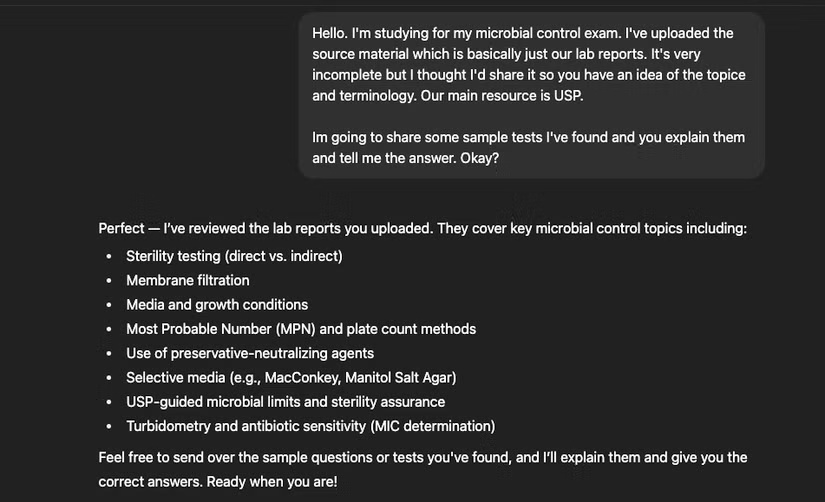
OpenAI describes file and instruction organization in Projects in ChatGPT. A project keeps context together; it does not guarantee that every answer correctly uses every file.
2. Work through examples in small batches
Start with a few questions so you have time to inspect the explanation. There is no universal five-question limit; choose a batch size suited to the complexity.
Work through questions 1–3. For each, identify what is being tested, ask me for an attempt, then explain the solution after I respond. State assumptions and show units where relevant. If the supplied answer key appears inconsistent, explain the discrepancy instead of silently changing it. Wait for “continue” before starting another batch.
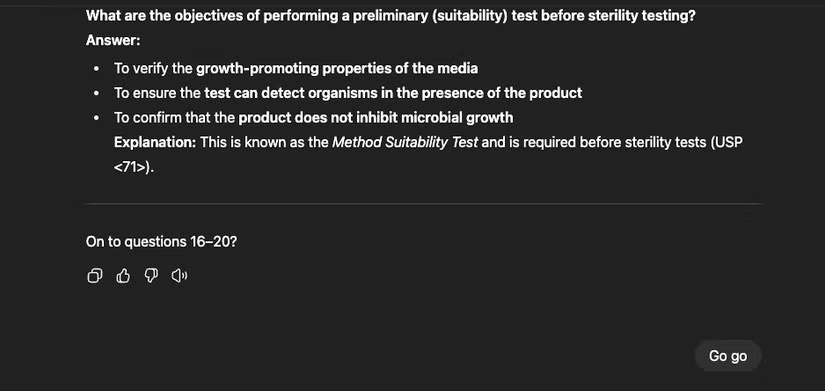
Compare the result with a trusted answer key or worked example. Resolve discrepancies before using the explanation as study material.
3. Organize notes into a checkable outline
Add your own corrections and the points your teacher emphasized. Ask for a concise outline rather than a second copy of the whole conversation.
Organize the verified points from this conversation under clear headings. Include definitions, key relationships and common mistakes. Identify the source section when it is available. Mark uncertain items “needs checking” and keep them separate from confirmed notes. Use Markdown so I can copy the outline into my notes.
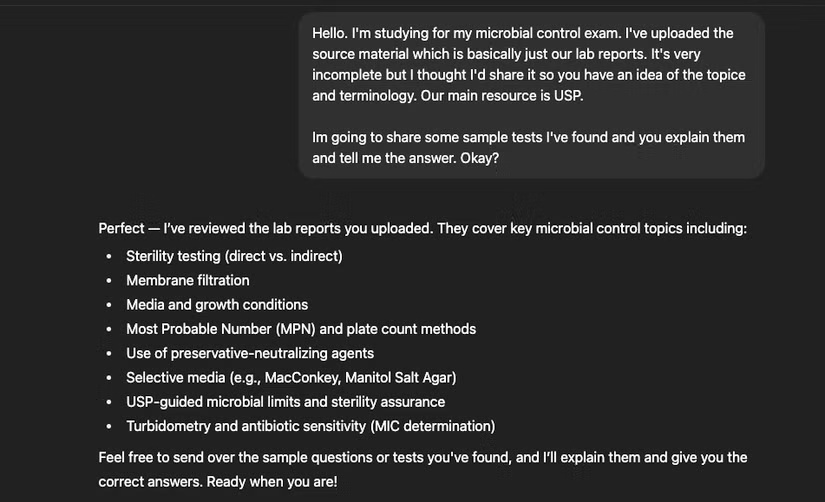
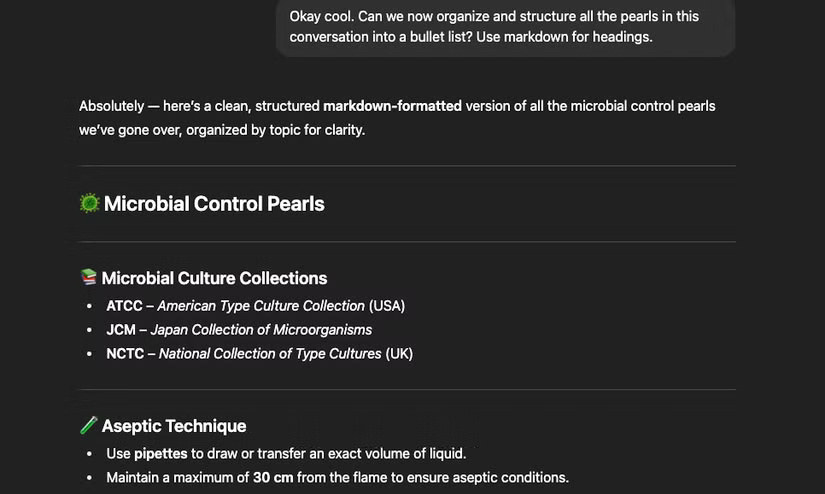
Keep a separate copy of the approved outline. A summary is convenient context, but it can omit details or preserve an earlier mistake. ChatGPT and NotebookLM can both be useful; neither is automatically correct because it can refer to sources. See using NotebookLM and ChatGPT together for a source-focused workflow.
4. Practice recall one question at a time
Try answering without looking at the notes, then explain your reasoning. Ask for hints if you get stuck instead of immediately requesting the full answer.
Quiz me on [specific topics] using the verified outline and attached materials. Ask one open-ended question and wait. After my answer, identify what is correct, what is missing and any misconception. Explain the correction with a source reference where available, then ask one follow-up question. Revisit missed topics later using a different example. Do not give me the answer before I attempt it.
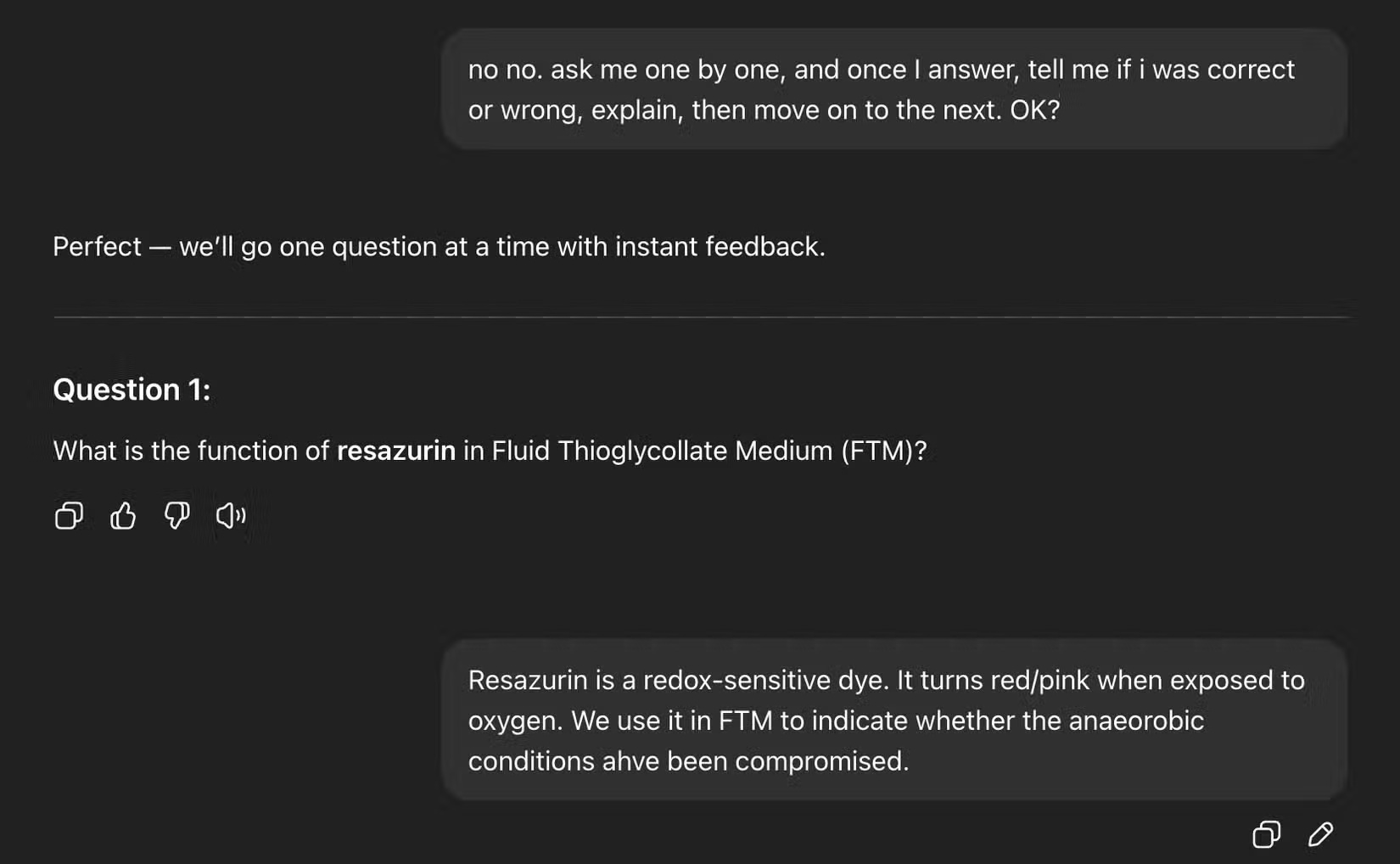
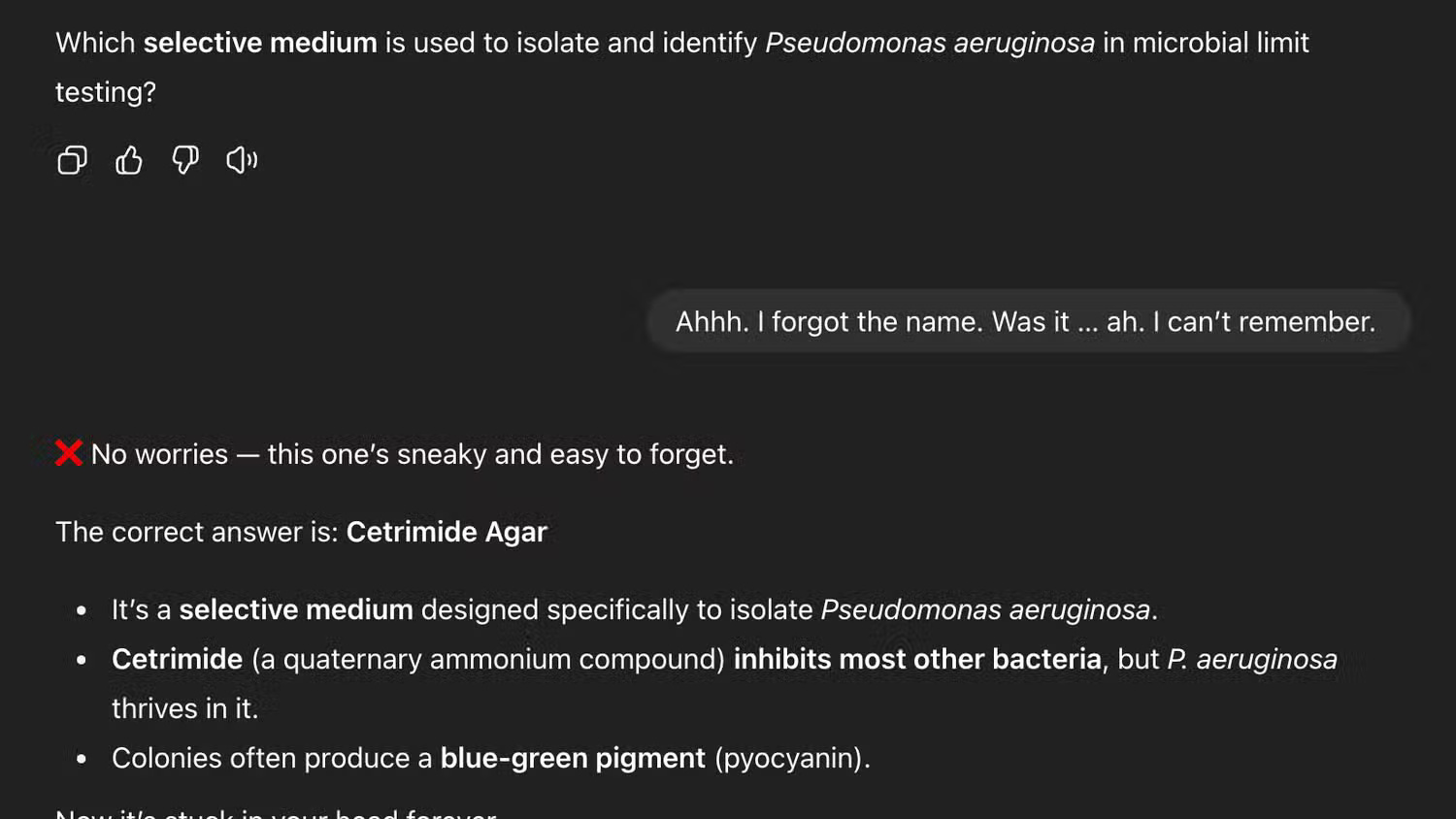
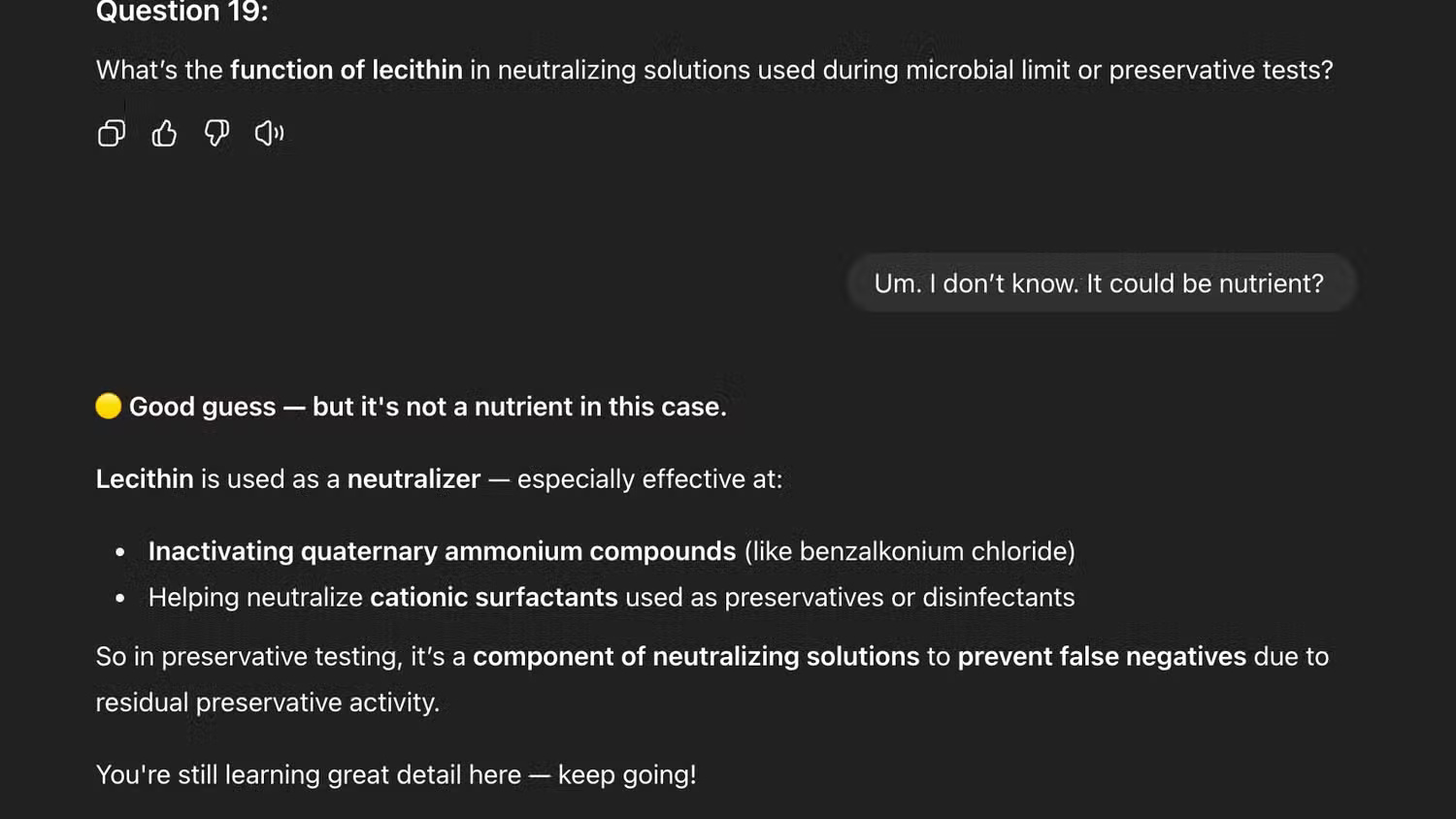
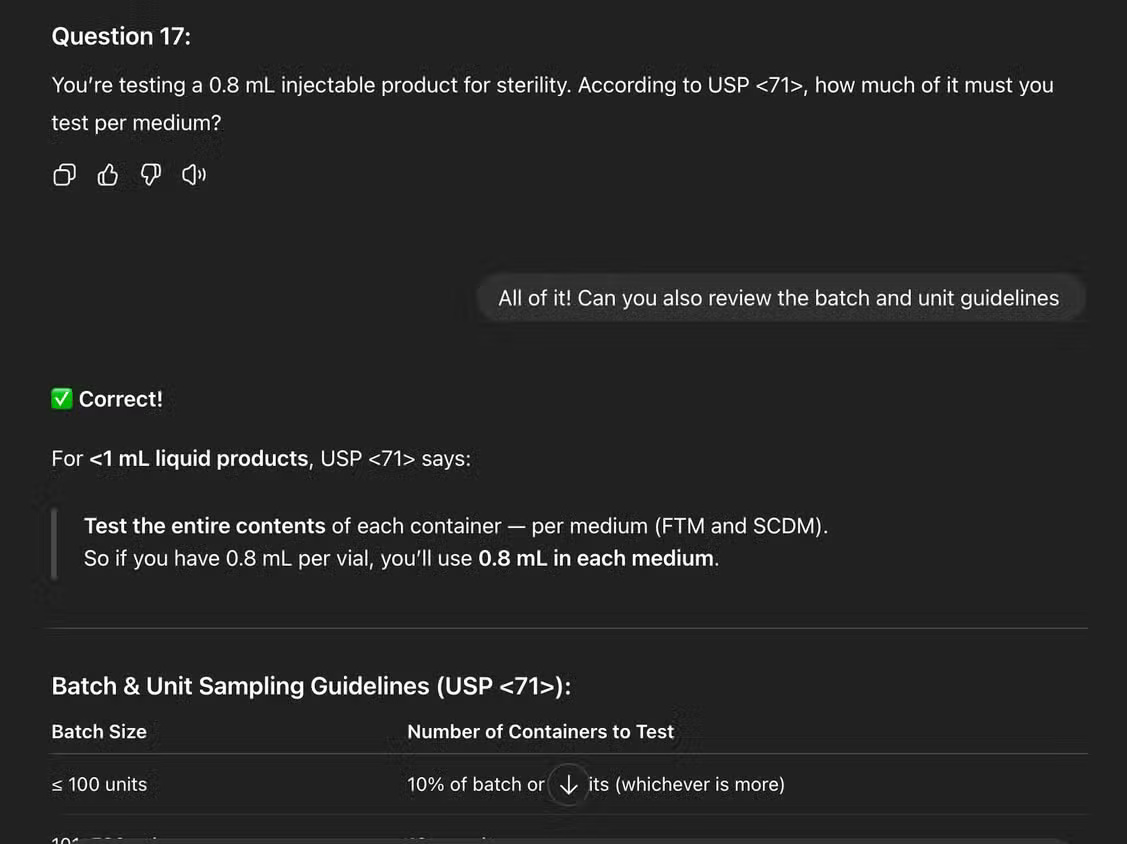
Use a mixture of definitions, calculations, applications and explanations suited to the subject. Multiple-choice questions and flashcards can also be useful; open-ended questions are an additional way to reveal gaps, not the only valid way to learn.
If you want a guided learning interface, check OpenAI's Study mode guidance for current availability. The prompts here also work as instructions for an ordinary conversation; do not assume every mode is available inside Projects.
5. End with an error-focused review sheet
Create a review sheet from the material we verified today. Include the main concepts, two examples, mistakes I made and a short practice set without answers. Put the answer key after the questions. Flag anything we have not checked against a reliable source, and do not claim I have mastered a topic solely because I answered one question correctly.
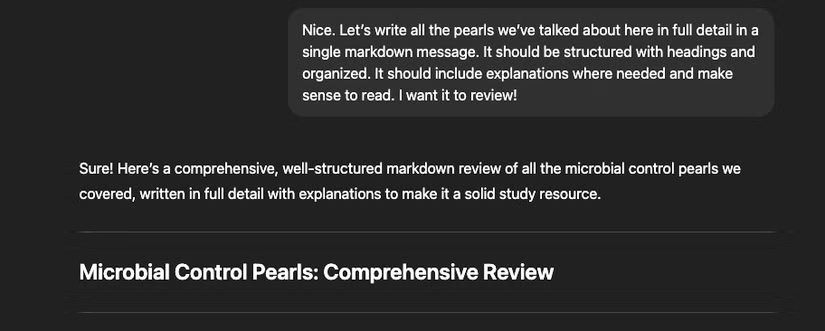
Check the sheet, correct it and save it with your course notes. At your next session, attempt the missed questions again before rereading the explanations. Follow your course's rules on AI use and bring unresolved disagreements to a teacher or another reliable reference.
Related Articles
 10 ChatGPT prompts for practical language learning
 9 ChatGPT Prompts for Planning, Writing, and Everyday Work
 How to Write Better ChatGPT Prompts for Business Work
 How to Always Get Perfect Replies from ChatGPT with These 7 Prompts
 11 Super Simple ChatGPT Prompts That Help With Your Daily Work
 What is GPT-4o? Capabilities, limits, and current availability
Reader Comments 0
Sign in with email or Google to join the discussion.