Table of Contents
This guide explains how to delete Cached DNS on the Computer Using the Flush DNS Command, with clear steps, practical tips, and important checks before you begin.
Step 1: Open Command Prompt (cmd) by pressing Windows + R then type cmd and press Enter.

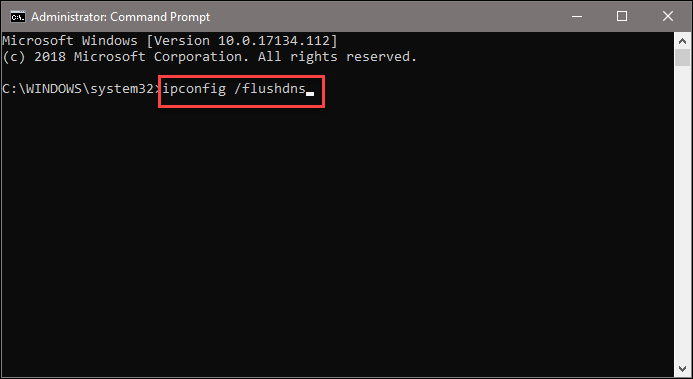
Step 2 : In the cmd window, enter the command ' ipconfig / flushdns' and press Enter.
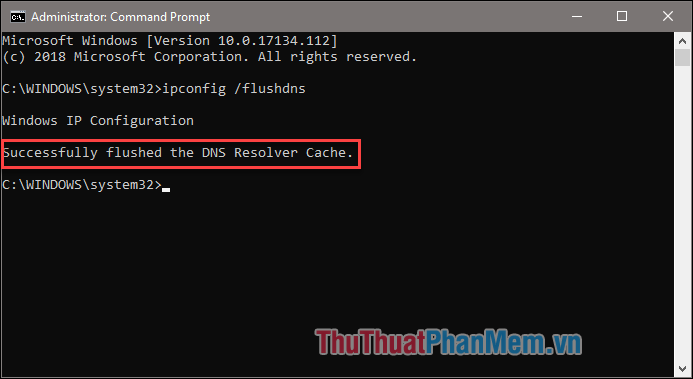
When it says ' Successfully flushed the DNS resolver Cache ', it means that the DNS Cache removal is complete.
Above is a tutorial on how to delete DNS Cache on Windows computers with the Flush DNS command, which is necessary to improve the performance of DNS. Good luck!
FAQ
What should I know about Delete Cached DNS on the Computer Using the Flush DNS Command?
Focus on the key features, requirements, limitations, and practical use cases explained in this guide.
How do I get the best results with Delete Cached DNS on the Computer Using the Flush DNS Command?
Follow the recommended steps, use current software or information, confirm compatibility, and review settings before major changes.
Are there any risks or limitations?
Potential limitations depend on compatibility, data quality, cost, privacy, support, and how the product or method is used.
Related Articles
 Reg Delete Command in Windows: What You Need to Know3 minutes read
 What Is Flush DNS? How to Clear DNS Cache on Windows, Linux, MacOS8 minutes read
 The Command Bootcfg Delete in Windows3 minutes read
 How to Add and Delete User Accounts with Command Prompt on Windows: Clear5 minutes read
 Instructions on 5 Ways to Delete Applications on Your Computer8 minutes read
 How to Delete Junk Files, Caching of Computers2 minutes read
Reader Comments 0
Sign in with email or Google to join the discussion.