Table of Contents
This updated guide examines Alert: How to Debug Javascript and organizes the essential facts, background, and practical takeaways in clear American English.
Method 1
Using the Debugger; Statement
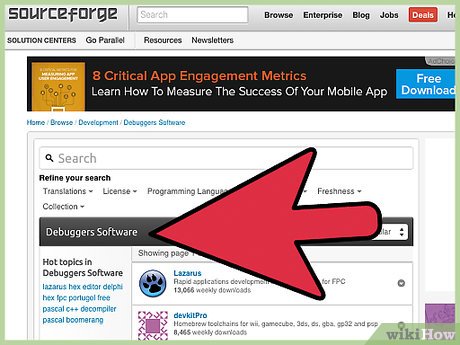 Determine if debugger; is the correct tool for this situation. Ask yourself:
- Do I need to look at this in great detail?
- Do I want to know the values, and the path the program is taking?
- Can I effectively test this through the developer window?
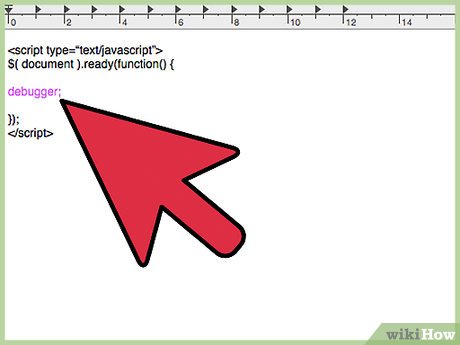 Before the problem area, enter the statement: debugger;
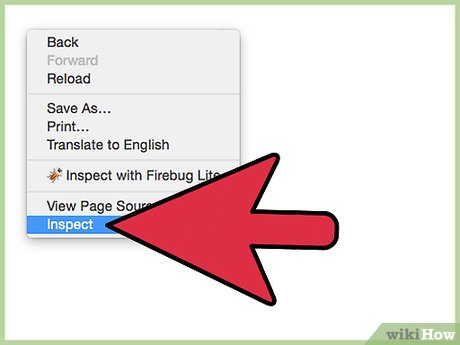 Open your browser's developer tools by right clicking and selecting inspect element. This will be browser specific, but they should all work very similarly.
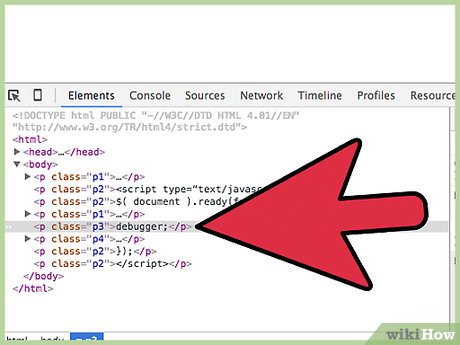 Once inside of developer tools, run your code again. This time it will stop at the debugger; statement.
 Step through your program, line-by-line, by pressing F10.
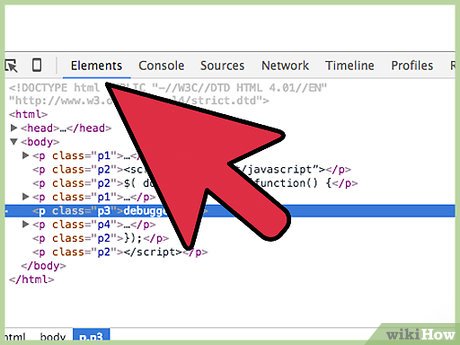 Repeat the process as necessary. You may have to restart your program to trigger the debugger; again.
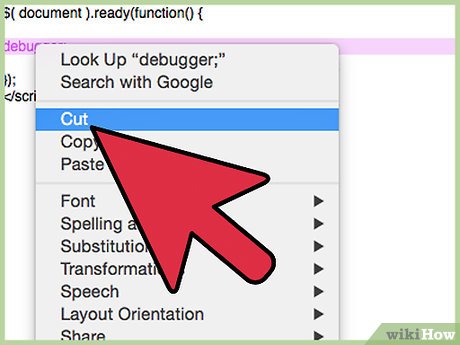 Once you've used the debugger to solve the problem, be sure to remove the statement when you're done.
Method 2
Using an Alert();
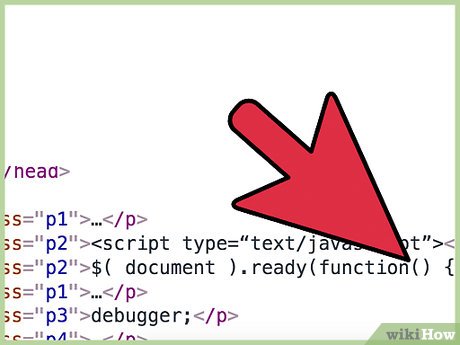 Determine if alert(); is the correct tool for this situation. Ask yourself:
- Do I only need to know if a certain part of the program is running?
- Do I only want to know one value, and timing is not important?
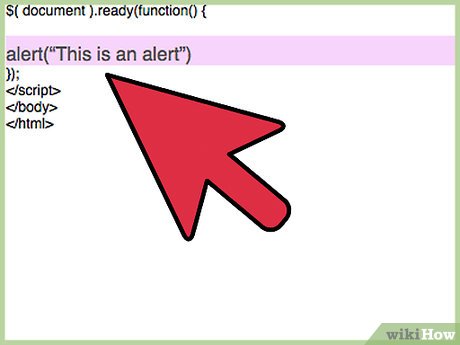 After the problem area, enter the statement: alert();
- Note that this alert will print, "This is an alert." To the screen. This could be any value.
 Run your code as normal.
- Once this point is reached, it will create a popup on your screen with whatever information put into the argument of alert();
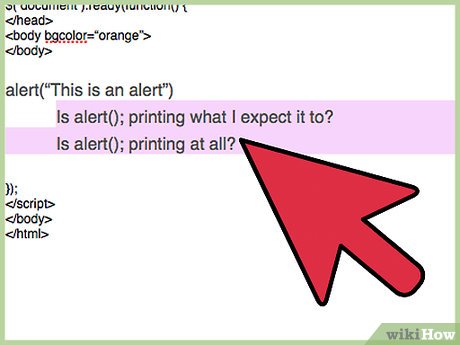 Use the information from the alert(); to solve the issue.
- Is alert(); printing what I expect it to?
- Is alert(); printing at all?
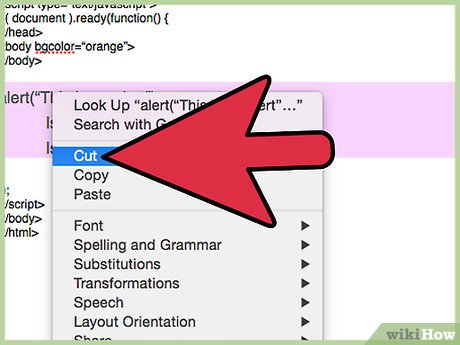
 Repeat the process as necessary. You may have to restart your program to trigger the alert(); again.
- Be certain to remove the alert(); statement when you're done.
FAQ
What is Alert: How to Debug Javascript about?
It provides a structured overview of alert, explains the main context, and highlights practical takeaways for readers.
Why does this topic matter?
Understanding the main concepts helps readers evaluate the issue, avoid common mistakes, and make better-informed decisions.
How should readers use this information?
Use the guidance as a practical starting point, confirm details that may have changed, and follow current product, safety, or security recommendations.
Related Articles
 Debug in JavaScript8 minutes read
 Syntax of JavaScript1 minutes read
 Google Chrome and Edge Encountered Strange Errors, Automatically Generated3 minutes read
 What Is JavaScript? Can the Internet Exist Without JavaScript?11 minutes read
 How to Running Node JavaScript Code in n8n8 minutes read
 What Is Currying in Javascript? How to Use Currying in Javascript5 minutes read
Reader Comments 0
Sign in with email or Google to join the discussion.