Table of Contents
This article provides a clear overview of Facebook Adds a 'Hug' Emoticon in the Like Button, with the main facts, useful context, and practical details organized for easy reading.
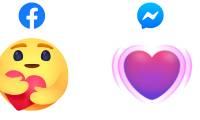
New emoticons are images of faces full of hope, embracing a heart, and Facebook hopes that this emoticon will help people to feel the sharing, care and love sent to each other in every situation, every difficulty, not just before a pandemic.
 2 more emoticons will be added on Facebook and Messenger
The new emojis are expected to be launched on both the Facebook app and website platforms in the next few days for global users and will of course still be placed in the Like button similar to other Facebook icons. In addition, there will also be new emoticons with heart beating images will be added on Messenger to replace the current static heart icon. Users will be given the option to switch to a new emoticon, while the usage is unchanged.
These are just minor additions to the much larger issues that Facebook is currently facing as the pandemic continues to spread, one of which is the issue of fake news. Recently, the social networking platform has added a series of features to prevent the spread of fake information, as well as improve the understanding and provide accurate information about COVID-19 to more than 2 billion users. such as launching an information center on the Corona virus displayed at the top of the News Feed, or sending warning messages to any user who has interacted with false information about the disease.
FAQ
What is the main focus of Facebook Adds a 'Hug' Emoticon in the Like Button?
The article explains the most important facts, context, and practical details related to Facebook Adds a 'Hug' Emoticon in the Like Button.
Who may find this information useful?
It is useful for readers who want a clear overview, practical context, and a better understanding of the subject.
What should readers verify before taking action?
Check current product versions, official requirements, regional availability, and any details that may have changed since the original publication.
Related Articles
 Facebook Adds an 'Interested' Button: Complete Guide2 minutes read
 Facebook Has Allowed 'to Express' More Diverse Emotions4 minutes read
 Do You Know the Meaning of Emoticon Symbols That We Often Use?3 minutes read
 X Adds a 'Dislike' Button for Responses You Don't Like4 minutes read
 Why Doesn't Facebook Have a Dislike Button?4 minutes read
 Programmers Were Able to Put the Like Button on Their Own3 minutes read
Reader Comments 0
Sign in with email or Google to join the discussion.