Table of Contents
Brother Hai's Pho Restaurant follows Anh Hai, a pho-shop owner, and the people who visit his restaurant as an everyday routine develops into a horror story. Cau Vang, also known as Mr. Gold, is the dog associated with the shop. The customers bring distinctive dialogue, orders, and story events.
This guide identifies the main figures without revealing the central mystery or ending routes. Names and nicknames may appear differently in English translations, Vietnamese dialogue, and community walkthroughs.
Anh Hai: the character you play
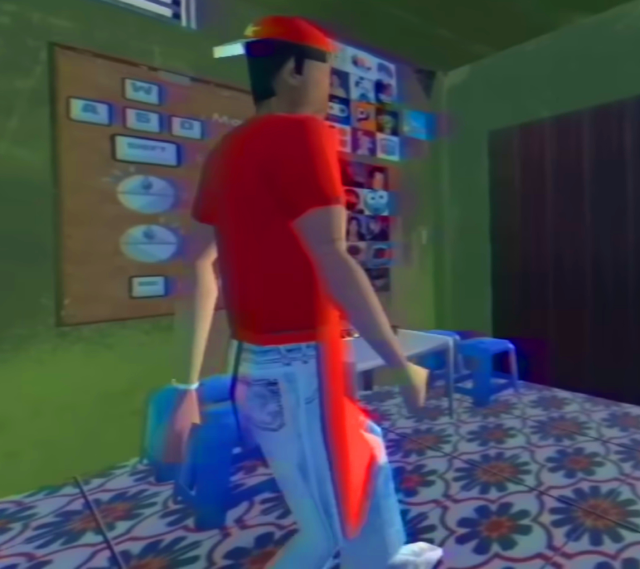
Anh Hai opens a pho restaurant in the game's village setting in Dan Phuong, Hanoi. You experience the story through his first-person viewpoint, carrying out restaurant tasks and interacting with customers and the surrounding environment.
The developer's game description establishes that his work becomes entangled with unexpected events and a troubling past. The later details are part of the mystery, so knowing every character's eventual allegiance is not necessary to begin playing.
What to pay attention to: the current task, customer dialogue, and new interaction prompts. Anh Hai's role is broader than serving bowls: conversations and later events advance the story. Our PC installation and beginner guide covers the basic controls.
Cau Vang / Mr. Gold: the restaurant dog
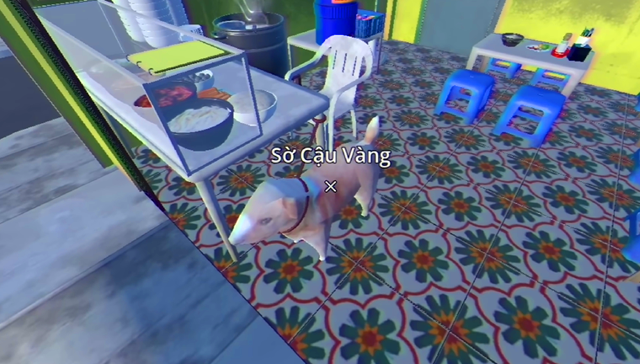
Cau Vang provides a familiar, humorous presence beside the restaurant's increasingly unsettling events. You can interact with the dog, and its movements matter during parts of the game.
In a developer interview reported by VnExpress, the character's name was described as drawing inspiration from Nam Cao's Lao Hac. That literary connection explains the name; it does not mean the game's plot reproduces the book.
What to pay attention to: prompts involving the dog and changes around the shop. If an event concerns Cau Vang, respond to that event rather than treating the dog as background decoration. Do not assume that every interaction with the dog is required for the same outcome in every release.
Recognize the visitors by dialogue and context
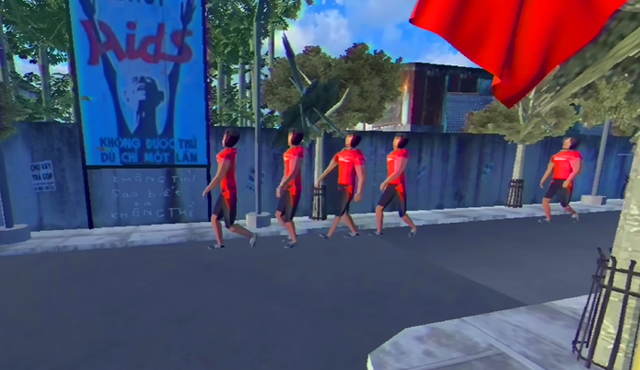
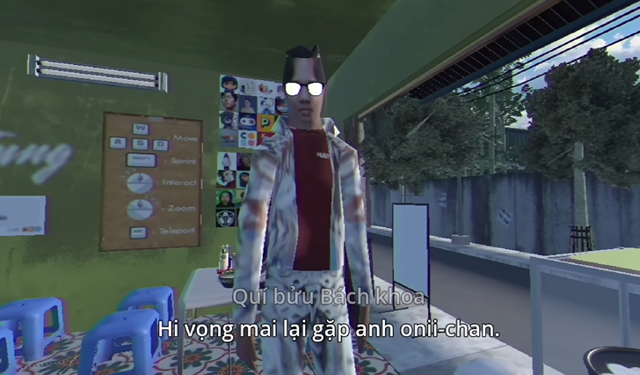
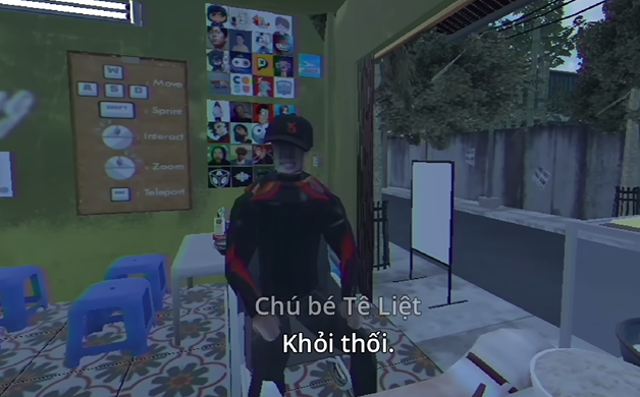
The restaurant scenes use recognizable everyday-life details and internet humor. Znews' overview of the game describes visitors including a driver, an “onii-chan” customer, and a stylish wealthy woman. Read the actual dialogue to understand what each person wants.
| Character or nickname | How to recognize the encounter | What to do when playing |
|---|---|---|
| Quy Buu / the “onii-chan” customer | Distinctive language and Japanese pop-culture humor. | Read the request carefully; unusual dialogue does not by itself establish a technical fault. |
| The Grab driver | A visitor associated with ride-hailing or delivery work. | Follow the current order and conversation rather than assuming a hidden role from the nickname. |
| Phu Ba | The wealthy, stylish visitor. | Check the exact food request and dialogue. Later story significance is best discovered in play. |
| The Manchester United fan | Football-related dialogue and jokes. | Separate the joke from the order you need to prepare. |
| Older villager / uncle | Village-life dialogue and familiar food requests. | Read ingredients and side dishes literally; use the on-screen wording. |
| Bo Doi / the intimidating visitor | A more threatening encounter associated with the darker story. | Follow the scene's prompts and notice changes in the objective. |
Other community nicknames, including Chu Be Te Liet, may appear in discussions of the cast. A nickname is not a complete biography or a reliable guide to a character's eventual role.
Use the cast to follow the story
- Read the order before cooking. Do not memorize one fixed bowl for a visitor unless your current scene clearly establishes it.
- Listen after serving. The conversation may direct you toward the next person or event.
- Notice a change in tone. A funny restaurant scene can become part of a threatening sequence.
- Check your build when using a walkthrough. Dialogue, controls, and later events can differ between releases.
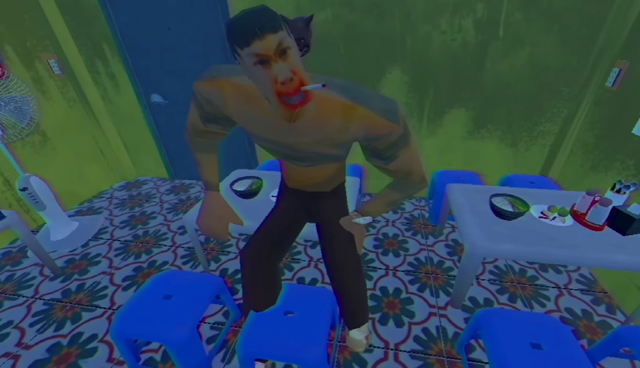
Do not treat a cast list as a fixed “danger score” chart. Story outcomes depend on context, and claims that a particular customer always crashes the game should be investigated as a version-specific technical issue rather than accepted as a character trait.
If you are stuck during the action sequence, TipsMake's Brother Hai chase guide provides targeted help. Otherwise, following orders, dialogue, and visible prompts lets you discover the characters' connections without reading the ending in advance.
Related Articles
 How to Download and Play Brother Hai’s Pho Restaurant on PC
 How to Pass the Chase in Brother Hai’s Pho Restaurant
 Code Animal Restaurant - The newest Pet Restaurant
 4 Tips To Help You Manage Your Restaurant Business Better
 Top Tips on How to Profit More of Your Restaurant Business
 How to Choose a Brother Printer: 5 Models Compared
Reader Comments 0
Sign in with email or Google to join the discussion.