Table of Contents
This guide answers "Are Energy Drinks Dangerous to Your Health?" with a clear explanation, practical context, and the details that matter most.
In 2023 alone, sales of the global energy drink market skyrocketed, reflecting the growing popularity of the beverage. But behind the attractive advertising claims is scientific evidence showing a range of potential health risks associated with regular energy drink consumption.
What are the real ingredients in energy drinks?
Energy drinks typically contain a mixture of stimulants and additives, including:
- Caffeine: Central nervous system stimulant, helps increase alertness.
- Taurine: An amino acid involved in heart, brain and muscle function.
- Guarana and Ginseng: Plant extracts that add caffeine and compounds that are said to help increase alertness and focus.
- Sugar: Often added for flavor and short-term energy, although sugar-free options are increasingly popular.
Effects of Energy Drinks on the Heart and Blood Vessels
Scientific research has shown significant cardiovascular health concerns associated with energy drinks. Stimulants such as caffeine, taurine, and guarana can significantly alter heart rate, increase blood pressure, and interfere with the brain's ability to control heart rate. People with underlying heart conditions face increased risks from regular energy drink consumption.
Genetic conditions that affect about 1 in 200 people – such as hypertrophic cardiomyopathy, long QT syndrome and arrhythmic cardiomyopathy – increase susceptibility to the cardiovascular effects of stimulants. In people with impaired heart function or coronary artery disease, energy drink consumption may lead to unpredictable and potentially dangerous cardiovascular reactions.
Another worrying link is the risk of stroke. Energy drinks have been linked to a condition called reversible cerebral vasoconstriction syndrome (RCVS), which causes sudden narrowing of blood vessels in the brain, leading to severe ischemia or bleeding. Regular consumption of caffeine and related stimulants in large amounts appears to increase the risk of stroke.
In addition to heart and stroke risks, regular consumption of energy drinks can lead to many other health problems such as:
- Anxiety, mood swings
- Insomnia
- Digestive disorders
- heart palpitations
- Weight gain and decreased insulin sensitivity (adverse effects on diabetes)
- Dental problems due to high sugar content
Combining energy drinks with alcohol further increases these risks, leading to increased drunkenness, reckless behavior, and accidents. Additionally, ingredients in energy drinks can interact negatively with prescription medications such as antidepressants, anti-anxiety medications, and blood thinners.
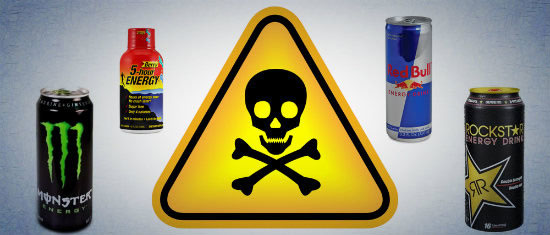
Recommended caffeine limits
Although the caffeine content of energy drinks varies widely, some contain much higher amounts than regular drinks:
- Adults: Health authorities recommend a safe limit of about 400 milligrams of caffeine per day. A large cup of coffee or energy drink can reach or exceed this level in just one drink.
- Adolescents (12–18 years): The recommended limit is much lower – about 100 milligrams/day.
Health experts recommend that the following groups avoid energy drinks completely:
- Children and adolescents
- Pregnant or breastfeeding women
- People with heart disease, kidney disease, high blood pressure or diabetes
- People who are taking medications that interact negatively with caffeine/stimulants
Instead, safer, science-backed options include: Coffee, black or green tea, coconut water, kombucha, sports drinks (only use when electrolyte replacement is needed after strenuous exercise).
FAQ
What are the real ingredients in energy drinks?
Energy drinks typically contain a mixture of stimulants and additives, including:
What should you know about effects of Energy Drinks on the Heart and Blood Vessels?
Scientific research has shown significant cardiovascular health concerns associated with energy drinks. Stimulants such as caffeine, taurine, and guarana can significantly alter heart rate, increase blood pressure, and interfere with the brain's ability to control heart rate. People with underlying heart conditions face.
What should you know about recommended caffeine limits?
Although the caffeine content of energy drinks varies widely, some contain much higher amounts than regular drinks:
Related Articles
 Types of Energy Drinks in PUBG4 minutes read
 10 Drinks Before Going to Bed Help Reduce Belly Fat Quickly4 minutes read
 Drinks That Effectively Detoxify the Liver: Explained6 minutes read
 Green Tea and Coffee, Which Is Better6 minutes read
 Potential Risks of Daily Caffeine Consumption4 minutes read
 Thanks to This Special Energy, People Can Live without Eating3 minutes read
Reader Comments 0
Sign in with email or Google to join the discussion.