Table of Contents
Overview
This guide covers apple sued for eavesdropping on users, must pay in clear, practical terms. It covers the key concepts, recommended steps, common limitations, and useful checks so you can make a better-informed decision.
Apple has agreed to pay $95 million to settle a class-action lawsuit in which a group of plaintiffs alleged the company violated users' privacy with its Siri voice recordings. The data was used to improve Siri, or shared with third-party advertisers for targeted advertising.
The lawsuit, filed in 2019, alleges that Apple illegally stored data on users' interactions with its virtual assistant Siri without explicit consent and shared that data with third-party contractors, including advertisers. According to a report from The Guardian, these recordings included a wide range of sensitive personal data, including medical information, business transactions, and even users' personal relationships.
The lawsuit also argues that Apple failed to adequately inform users about the extent to which Siri audio recordings are collected and used. Notably, while Siri can be activated with a wake word like 'Hey Siri' or by holding down the side button on an iPhone, the lawsuit claims that the virtual assistant also passively listens to users' conversations and records snippets when it is accidentally activated.
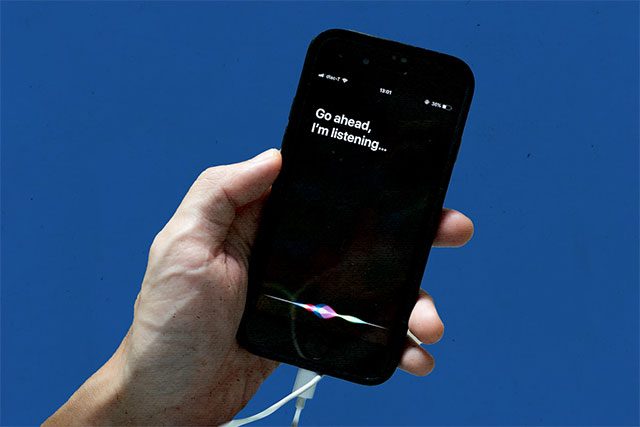
For its part, Apple has said that all Siri recordings are anonymized and used only to improve the performance of its virtual assistant. However, the lawsuit argues that this explanation is inadequate, and that users should have a clear choice to allow or deny Siri the recording.
After more than five years in court, lawyers for both sides sat down for talks in October 2024. Apple apologized, suspended its Siri grading program, and made a series of changes, including no longer keeping recordings by default. The company also allowed users to opt out of sharing their Siri recordings and delete existing recordings.
In addition, Apple has agreed to pay compensation to users who may have been affected by Siri's data collection practices. According to Reuters, individual users could receive up to $20 for each Siri-enabled device they own. Tens of millions of consumers who owned iPhones and other Apple devices between September 17, 2014 and the end of 2024 can file claims for compensation.
The Siri privacy lawsuit is a continued reminder of the importance of transparency for tech companies. Users have a right to fully understand what data is being collected and how it is being used. The lawsuit also highlights the need for greater user control over data collection by virtual assistants. As virtual assistants become more integrated into our daily lives, ensuring user privacy will remain a critical issue.
Key Takeaways
Use the guidance above as a practical reference for apple sued for eavesdropping on users, must pay. Check compatibility, follow the steps carefully, and verify important details with official documentation when software, security, accounts, health, or purchases are involved.
FAQ
What is the main point of this article?
This article explains apple faces $95 million Siri eavesdropping settlement, including the central facts, context, practical implications, and details needed to understand the topic.
Why does this topic matter?
It may affect performance, cost, safety, convenience, purchasing decisions, or how people understand a broader development.
Could the information change over time?
Yes. Product details, software features, prices, policies, codes, and news developments can change, so verify time-sensitive information with official sources.
Related Articles
 Apple Spent $ 18 Million in Compensation for 'Breaking'3 minutes read
 Young People Demand Apple Compensation of $1 Billion for Being Caught Because the Face Recognition4 minutes read
 Those Who Owned the iPhone 7 and iPhone 7 Plus Will Receive2 minutes read
 How to Detect and Remove Eavesdropping Software on Smartphones10 minutes read
 Apple Was Sued Collectively in the US Because of a Power Button Error on iPhone 4, 4s and 53 minutes read
 Prosecuting Lawsuits over 14,000 Mobile Phones5 minutes read
Reader Comments 0
Sign in with email or Google to join the discussion.