Table of Contents
This article examines Ancient Artifacts of Ancient Egypt Were Discovered in Tel Al-Pharaeen. It presents the main facts, practical implications, and key points in a clearer, easier-to-follow format.
Understanding Ancient Artifacts of Ancient Egypt Were Discovered in Tel Al-Pharaeen
According to Ayman Ashmawy, the head of ancient Egyptian antiquities, the walls of this hole are probably the main axis of the Buto temple. According to information from the National Egyptian Collections Collection.
Ashmawy said that this furnace trace may have been used to prepare rituals for worshiping gods in the temple.
He also added that the excavation also discovered the foundation of the two limestone columns he believed could be part of the temple pillar.
Not only that, they also found a limestone statue of King Psamtik sitting on the throne and holding a royal handkerchief in his right hand.
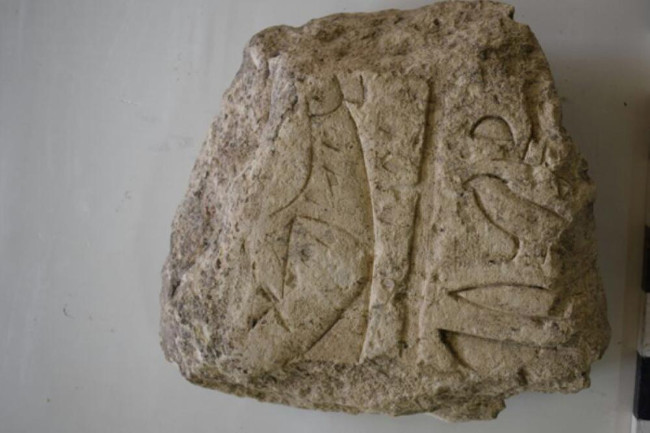
However, according to Ashmawy, the upper part of the statue was badly damaged.
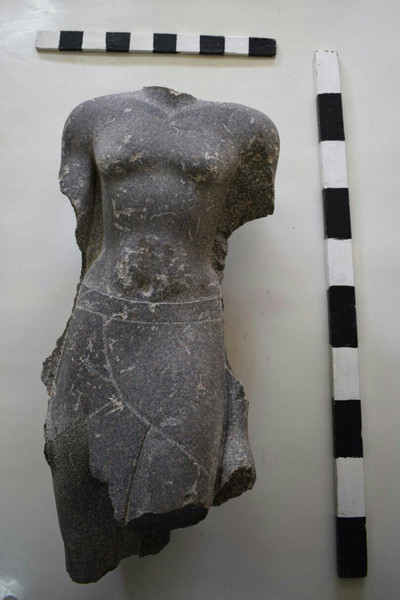
Another statue was discovered, carved in black granite, lost its head and neck, and a section below the knee. Preliminary examination shows that it may also belong to King Psamtik I.
Both statues and fragments were transferred to conservation and restoration agencies.
- China: Archaeologists discover the lost temple after 1000 years.
- Archeology Israel explores ancient Roman history at the Mediterranean port.
- Archaeologists found traces of ancient villages in 5,500 BC in Switzerland.
FAQ
What is the main point of Ancient Artifacts of Ancient Egypt Were Discovered in Tel Al-Pharaeen?
According to Ayman Ashmawy, the head of ancient Egyptian antiquities, the walls of this hole are probably the main axis of the Buto temple. According to information from the National Egyptian Collections Collection.
Why is Ancient Artifacts of Ancient Egypt Were Discovered in Tel Al-Pharaeen important?
Ancient Artifacts of Ancient Egypt Were Discovered in Tel Al-Pharaeen matters because it can affect how readers understand, choose, use, or respond to the subject discussed in the article.
What should readers verify about Ancient Artifacts of Ancient Egypt Were Discovered in Tel Al-Pharaeen?
Check the date, product or software version, compatibility, and any current guidance before acting, especially when technology, security, health, or pricing is involved.
Related Articles
 Ancient Embankment Found in Aswan, Egypt4 minutes read
 The Eccentricities Are Only Found in Ancient Egypt5 minutes read
 Ancient Burial Tombs Contain Strange Artifacts Discovered in Izmir, Turkey3 minutes read
 Egypt's 7000-year-old City May Shed Light on the Earliest3 minutes read
 Archaeologists Explore the 2,000-year-old Tomb in Alexandria and 300 Strange Artifacts3 minutes read
 Announcing a Series of Ancient Roman Artifacts Discovered in Wales4 minutes read
Reader Comments 0
Sign in with email or Google to join the discussion.