Table of Contents
Rapid growth in AI data centers is increasing demand for memory chips, and that can raise costs for other electronics—including smart TVs. But a higher chip price does not translate directly into the same percentage increase at retail. Display panels, logistics, tariffs, exchange rates, promotions, and competition usually have a larger influence on the final price of a television.
How AI demand affects the memory market
AI accelerators use high-bandwidth memory (HBM), while televisions generally use lower-cost conventional DRAM. These are not interchangeable products, but they share manufacturers, fabrication capacity, equipment, materials, and investment budgets. When suppliers prioritize high-margin memory for servers, capacity and capital available for older memory types can tighten.
This pressure is not limited to HBM. Contract prices for several conventional memory products rose sharply from late 2025 into 2026, and manufacturers warned that tight supply could affect phones, computers, networking equipment, and consumer electronics.
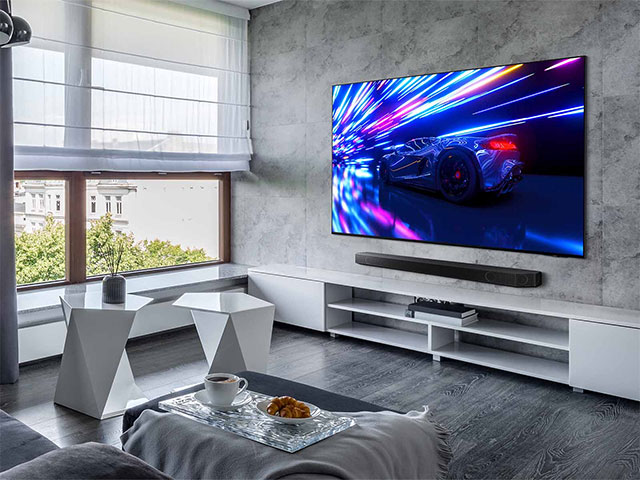
Why smart TVs need RAM
A smart TV uses memory to run its operating system, streaming apps, voice features, image-processing services, and background tasks. Entry-level models may use relatively little RAM, while more capable sets can include more memory to support heavier software.
Memory is nevertheless only one item on the bill of materials. The panel, backlight, image processor, power electronics, speakers, enclosure, shipping, and retailer margin all contribute to the price. Even a large percentage increase in the cost of a small component may produce only a modest change in the finished product.
Will TV prices definitely rise?
No single outcome applies to every model or region. Manufacturers can respond to higher component costs by raising list prices, reducing discounts, using different components, simplifying specifications, or accepting a lower margin. A premium new model and an older set being cleared from inventory may move in opposite directions during the same shortage.
Samsung executives said in early 2026 that price adjustments could not be ruled out as memory costs increased. Since then, the broader memory shortage has continued, but that is evidence of cost pressure—not proof that every television will become more expensive.
Why “buy now” is weak advice
A blanket recommendation to buy immediately ignores product cycles and individual needs. Television prices often fall during major sales, before a replacement model arrives, or as retailers clear stock. Waiting can also bring better panels and features, while tariffs or component shortages can make some models more expensive.
A better decision is to compare the exact model you want:
- track its selling price for several weeks rather than relying on the list price;
- compare the current model with its direct replacement;
- check warranty, ports, brightness, viewing angle, and app support—not just screen size;
- include delivery, installation, and return costs;
- buy when the model meets your needs at a price you have already judged acceptable.
How long could the shortage last?
New fabrication capacity takes years to plan, equip, qualify, and ramp. Long-term AI contracts can also keep high-end memory supply committed well in advance. Those factors support continued pressure, but forecasts beyond the next few quarters are uncertain because demand, yields, product mix, and capital spending can change.
Do not treat a single date for “normal” pricing as a guarantee. Monitor manufacturer earnings, memory contract-price reports, and actual retail prices in your market.
The bottom line
AI infrastructure demand is one reason memory costs have risen, and television makers may pass on part of that increase. The likely effect on an individual TV is smaller and less predictable than headlines about memory-chip prices suggest. For buyers, model-level price history and total product value are more useful than trying to time the entire memory market.
Related Articles
 The most expensive 16 'treasures' on the planet are astonishing
 Listed the 16 most expensive materials in the world
 The most expensive fish in the world, the highest record is over 71 billion a tuna
 The 7 most expensive liquids on the planet, the most expensive scorpion venom, 213.3 billion VND / liter
 The most expensive laptop on the planet costs $ 1 million
 Top 14 most expensive smartphones in the world today
Reader Comments 0
Sign in with email or Google to join the discussion.