Table of Contents
This updated guide examines Adobe Aero Officially Launches, Promising to Bring the Ar Content and organizes the essential facts, background, and practical takeaways in clear American English.
Launched on November 4 after more than a year of beta testing, Aero is the first platform that allows designers to create AR content without any code. In other words, Adobe Aero helps users experience AR with images and drawings in 3D without having to design or write code.
Currently this application is designed specifically for iOS, used in combination with AR and other Adobe programs. Designers can start an AR project in Photoshop CC or Illustrator CC, then put these files into Adobe Aero to integrate those initial designs into a larger space. So as long as you know how to use Photoshop relatively, Adobe Aero will become the perfect launcher to put your creativity into an augmented reality space - absolutely no coding ability required.
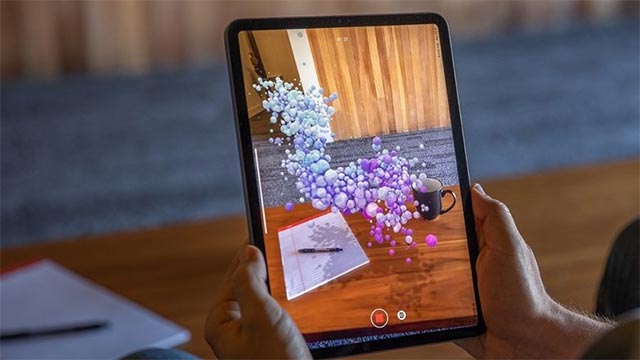
By using a tablet camera, smartphone, or easily importing 2D and 3D works stored in the device into Adobe Aero, designers can perform a few simple swipes to put your artwork into the AR space. Adobe Aero will provide a number of tools to help add interactivity, you can easily rotate, scale and move the object as you like.
After finishing the work, you can easily share files in many different formats, or copy automatically created links to embed in third-party applications or social networks.
Adobe Aero is compatible with iPhone and iPad devices running on iOS from 13.2.1 and above. The app is available for free for iOS users, but you'll still need to purchase some content from Adobe and set up an Adobe ID account.
FAQ
What is Adobe Aero Officially Launches, Promising to Bring the Ar Content about?
It provides a structured overview of Photoshop, explains the main context, and highlights practical takeaways for readers.
Why does this topic matter?
Understanding the main concepts helps readers evaluate the issue, avoid common mistakes, and make better-informed decisions.
How should readers use this information?
Use the guidance as a practical starting point, confirm details that may have changed, and follow current product, safety, or security recommendations.
Related Articles
 How to Download Windows 7 Aero Theme for Windows 105 minutes read
 How to Use Picture-in-Picture Feature on iOS 146 minutes read
 Services: How to Troubleshoot Aero Effect Issues2 minutes read
 How to Optimize Content for Mobile Websites14 minutes read
 How to Turn on Aero in Windows Vista3 minutes read
 How to Speed Up Your Content Creation Process While Ensuring9 minutes read
Reader Comments 0
Sign in with email or Google to join the discussion.