Table of Contents
Start with the security report in the password manager you already use. It can flag a saved login so you know which account to fix. If you want to see whether your email appeared in a known breach, use an email lookup. Never paste a password you still use into an unfamiliar checker.
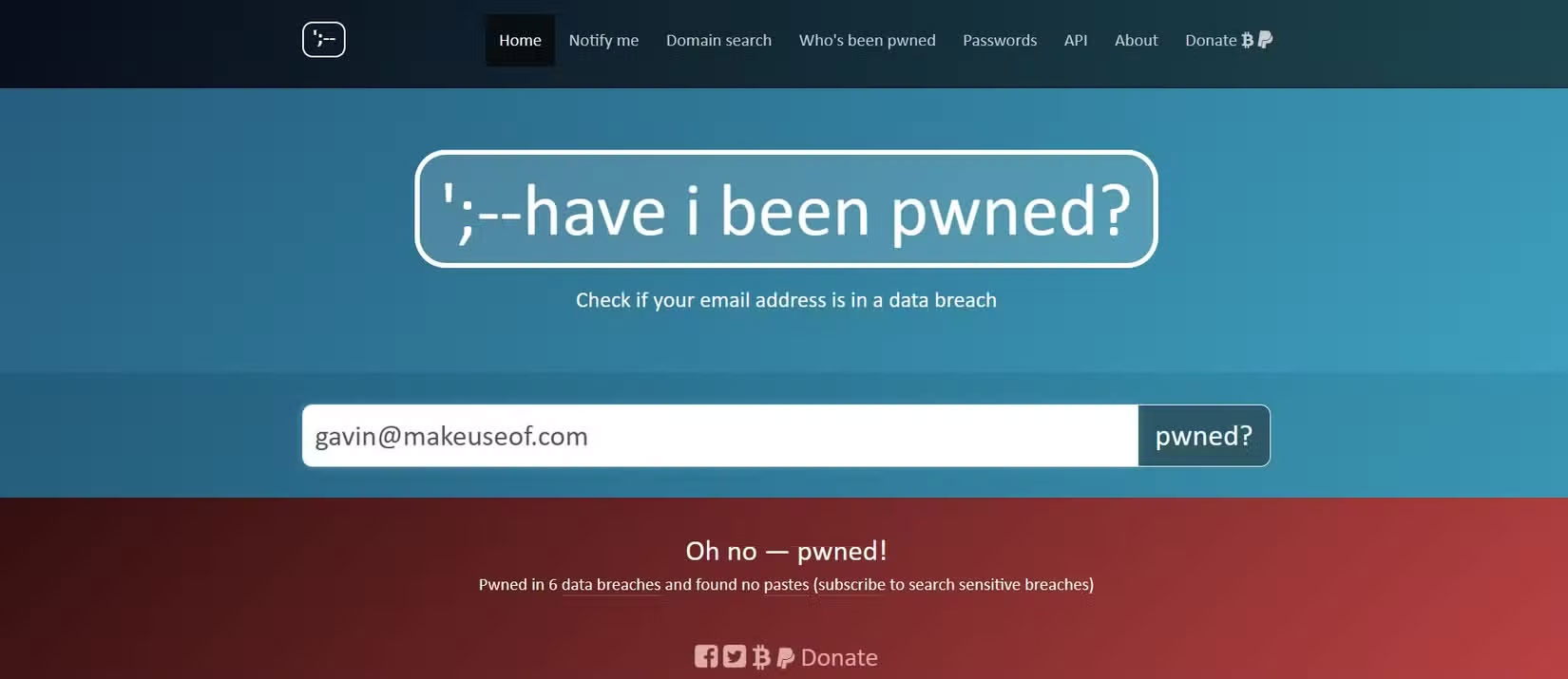
Check an email address with Have I Been Pwned
Go to Have I Been Pwned and search for the email address. Open each result to see the service, breach date, and kinds of information reported as exposed. An email match can come from a breach that didn’t expose passwords. A clean search only tells you there was no match in that service’s records.
Check saved passwords on Google or Apple
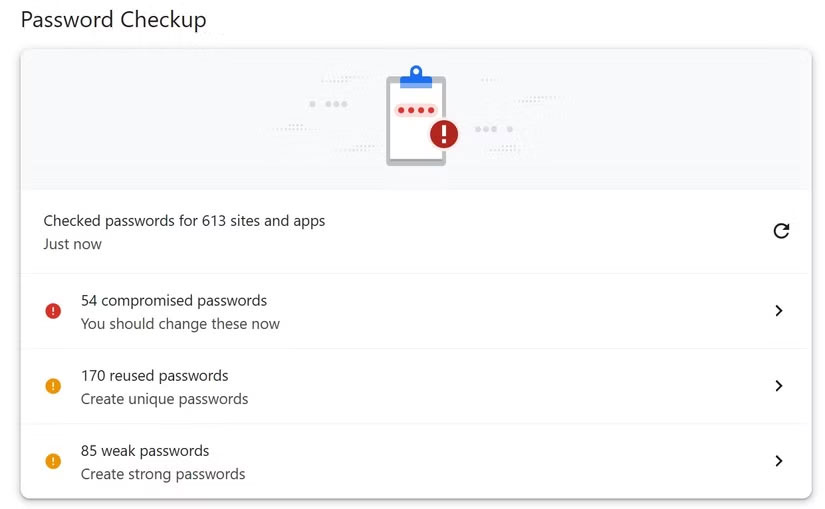
Google Password Manager
In Chrome, open Passwords and autofill → Google Password Manager, then look for Checkup or Check passwords. Address compromised entries first, then replace reused or weak passwords. Google’s password checkup instructions cover other devices.
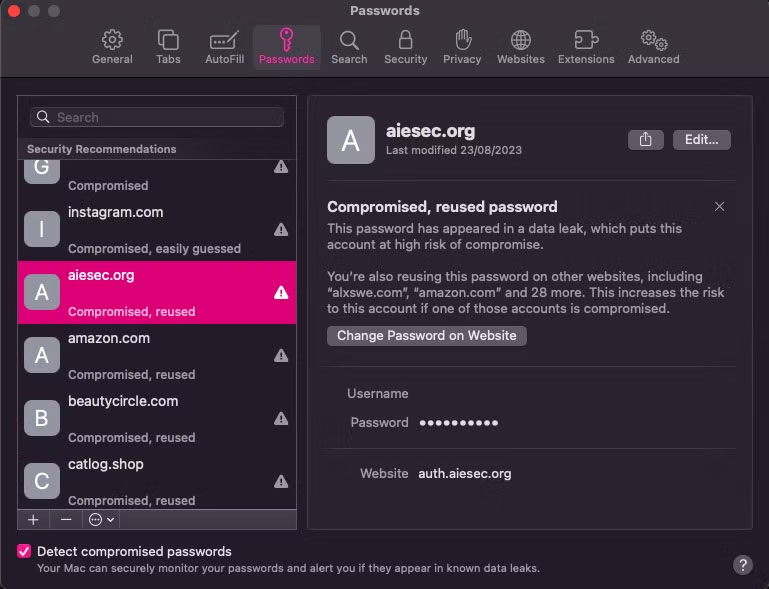
Apple Passwords
On versions that have the Passwords app, open it and select Security. Look in your device’s password settings for security recommendations on older versions. Apple’s Passwords app guide explains which devices support the app.
Other password managers and standalone checkers
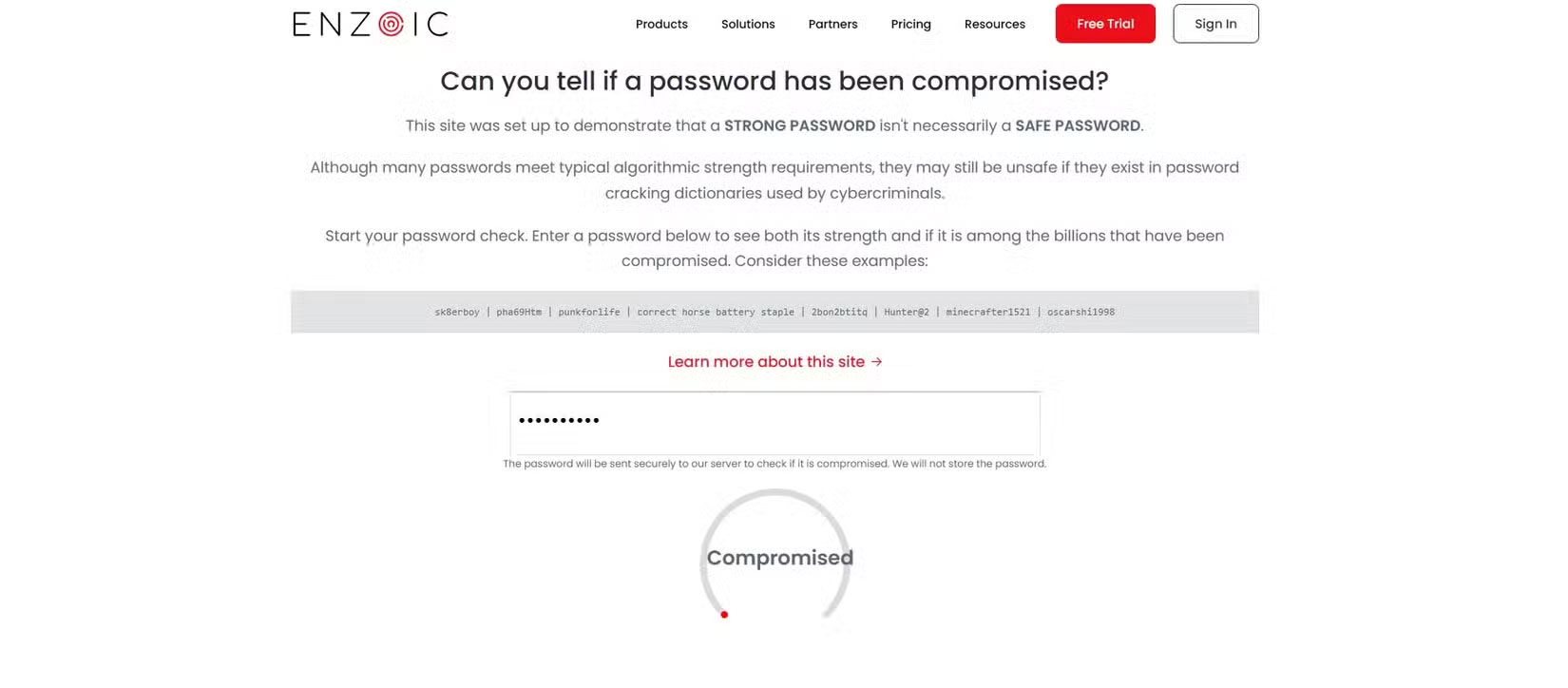
Look for a security report, vault health dashboard, or breach monitoring in the manager you use. Some antivirus plans include a separate password manager. A standalone checker such as the one shown below may test a password string without identifying the affected account. For an existing login, use your trusted manager’s built-in report.
What to do when a password is exposed
- Open the affected site or app directly and set a new, unique password. Start with email and other accounts you use to reset logins.
- Change the password on every other account where you reused it. Review signed-in devices and sign out sessions you don’t recognize. Check that the recovery email and phone number still belong to you.
- Enable multifactor authentication where available. If you got the warning by email or text, verify the request before following its links.
Related Articles
 Check for botnet warning signs with GreyNoise IP Check
 How to Check Whether Your Password Was Compromised
 2 effective and free ways to check WannaCry
 10 Quality Free AI Tools You Might Not Know About
 Recover passwords with free utilities (part 1)
 Collection of the most effective Windows password recovery tools
Reader Comments 0
Sign in with email or Google to join the discussion.