Table of Contents
A small toolkit close to hand makes jobs such as tightening a loose hinge, assembling a handle or opening a delivery box easier. Start with five tools that fit the tasks you actually do. Comfortable grips, sound construction and the correct size are more useful than a large set of tools you rarely use.
1. Tape measure
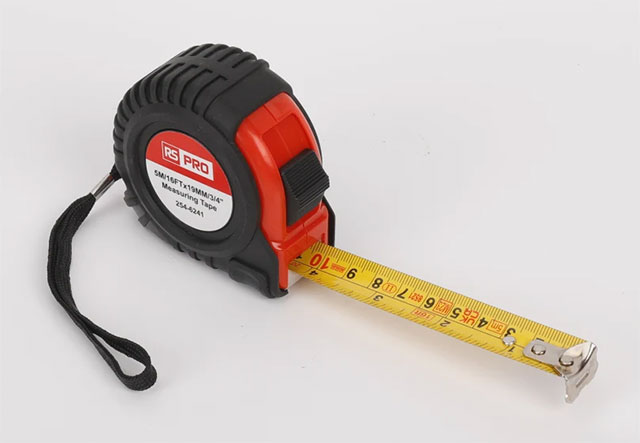
A 3–5 meter tape measure covers many indoor jobs: checking shelf space, measuring a doorway or comparing furniture dimensions. Look for readable markings, a reliable lock and a blade that retracts smoothly.
Keep the tape straight and record the measurement and units. Guide the blade back into its case rather than letting it snap back. Phone-based measurements can help with estimates, but use a physical measurement when fit matters.
For online shopping, see converting inches to metric units. TipsMake's TV measurement guide also shows why advertised diagonal size differs from the width needed on a shelf.
2. Retractable utility knife
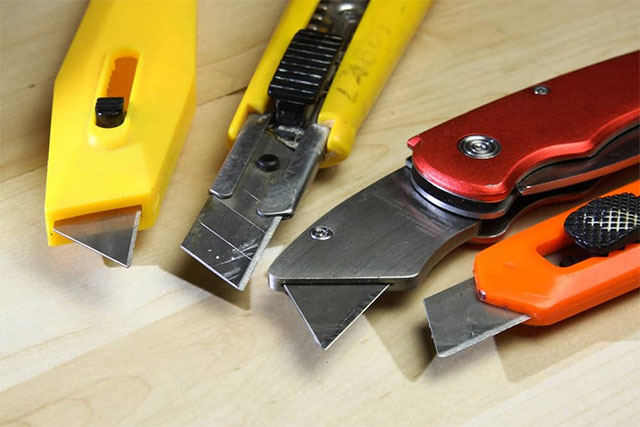
A utility knife works well for tape and cardboard. Choose a model with a secure blade lock or suitable automatic retraction, and follow its blade-changing instructions. It is not a substitute for a pry bar or screwdriver.
Support the box on a stable surface, keep the other hand out of the cutting path and cut away from your body. Extend only the blade length needed so you do not cut the contents. Retract or cover the blade before putting the knife away.
Hard plastic packaging may need scissors or a packaging tool rather than forceful knife cuts. STANLEY's knife-handling instructions illustrate the importance of safe blade handling; use the instructions for your own model.
3. Screwdriver with interchangeable bits
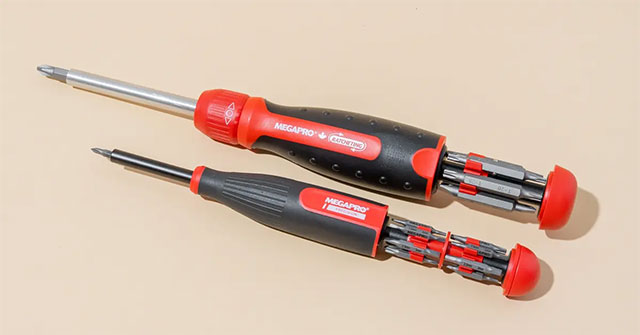
A handle with a small selection of good bits can cover common household screws. Include the sizes and head types found in your furniture and fittings; Phillips, Pozidriv, slotted, hex and Torx are not interchangeable merely because a bit seems close.
Seat the correct bit fully, press straight into the screw and turn with controlled force. Stop if the bit slips, as repeated slipping can strip the head. Tighten a loose hinge screw snugly rather than forcing it into damaged wood.
Eyeglasses and small electronics normally need a separate precision driver. An ordinary bit screwdriver is not rated for work on energized electrical fittings.
4. Adjustable wrench
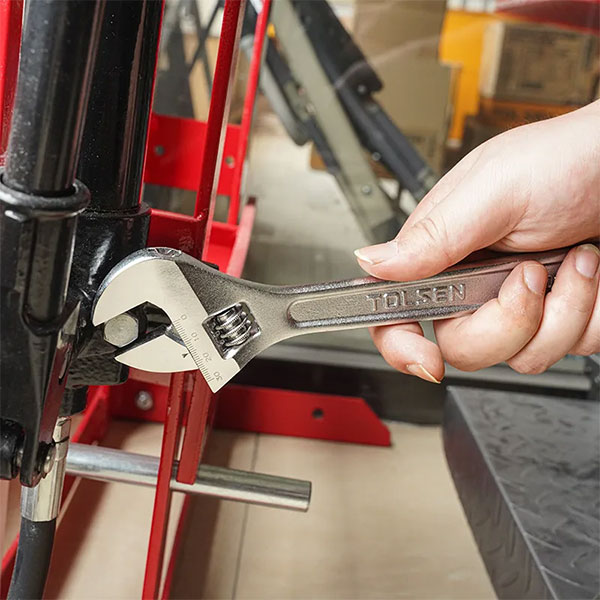
An adjustable wrench is useful for accessible hexagonal nuts and bolts, such as furniture hardware or some appliance leveling feet. Choose a jaw opening that fits your tasks; the overall handle length alone does not establish capacity.
Adjust the jaws snugly on the flats and keep the wrench square to the nut. A correctly sized fixed wrench or socket is often better for tight or repeated work. Do not use extra force to turn a seized fitting or grip a finished surface that the jaws could damage.
5. Pliers
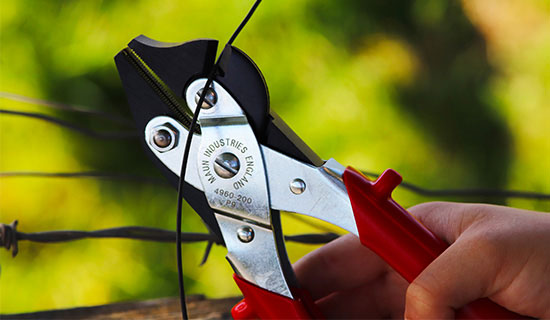
Slip-joint pliers suit general gripping, while needle-nose pliers help with small parts in narrow spaces. Choose a size that feels controlled in your hand and check that the jaws close properly.
Use them to hold a part, pull an accessible small nail or grip a damaged screw head when there is enough exposed material. A wrench is preferable for an undamaged nut: plier teeth can mar its surface. Do not use ordinary pliers on live wiring.
Optional additions and storage
A small claw hammer, pencil and compact level are useful additions if you hang pictures. Use hangers suitable for the wall material and item's weight; these five tools alone do not establish where it is safe to drill or nail.
Store the kit dry, with sharp edges covered and loose blades secured, out of children's reach. Keep tools clean and replace damaged blades or worn bits. The aim is a reliable kit for minor jobs, with more specialized tools added when a particular task calls for them.






Reader Comments 0
Sign in with email or Google to join the discussion.