Table of Contents
This guide organizes the entries in "10 Smartphone Devices That Have Replaced Them Forever" and explains what each option, idea, or example offers. It also highlights practical details that matter when comparing the choices.
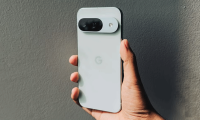
- 5 smartphone trends that should be eliminated
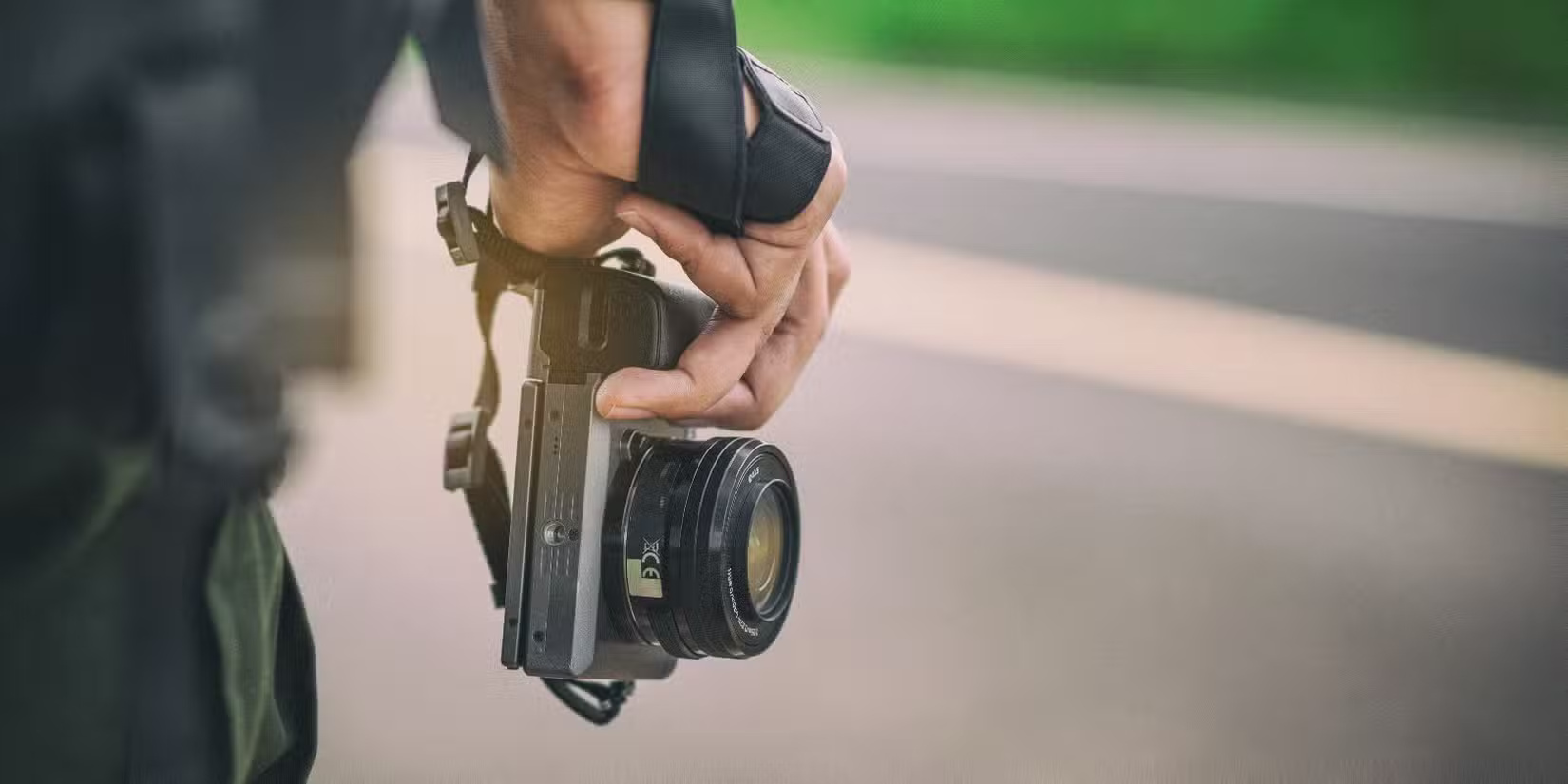
10. Travel camera
For many people, a point-and-shoot camera was their first taste of digital photography. Now, phones can do it all—and with computational photography and AI photo editing, they're arguably doing it better for the average user.
The real breakthrough was convenience. Smartphones gave you a camera that was always with you, without having to worry about memory cards or batteries. While early phone cameras were laughably poor compared to even a modest point-and-shoot, they eventually reached a point where image quality became 'good enough' for Instagram, Facebook, or a quick family photo album.
9. Pocket calculator
You remember your old TI-35 calculator. It was small, scientific, and at the time, it made people feel like they could solve anything but nuclear equations. In school, it was a symbol of preparation, and its little green LED screen gave it a high-tech feel.
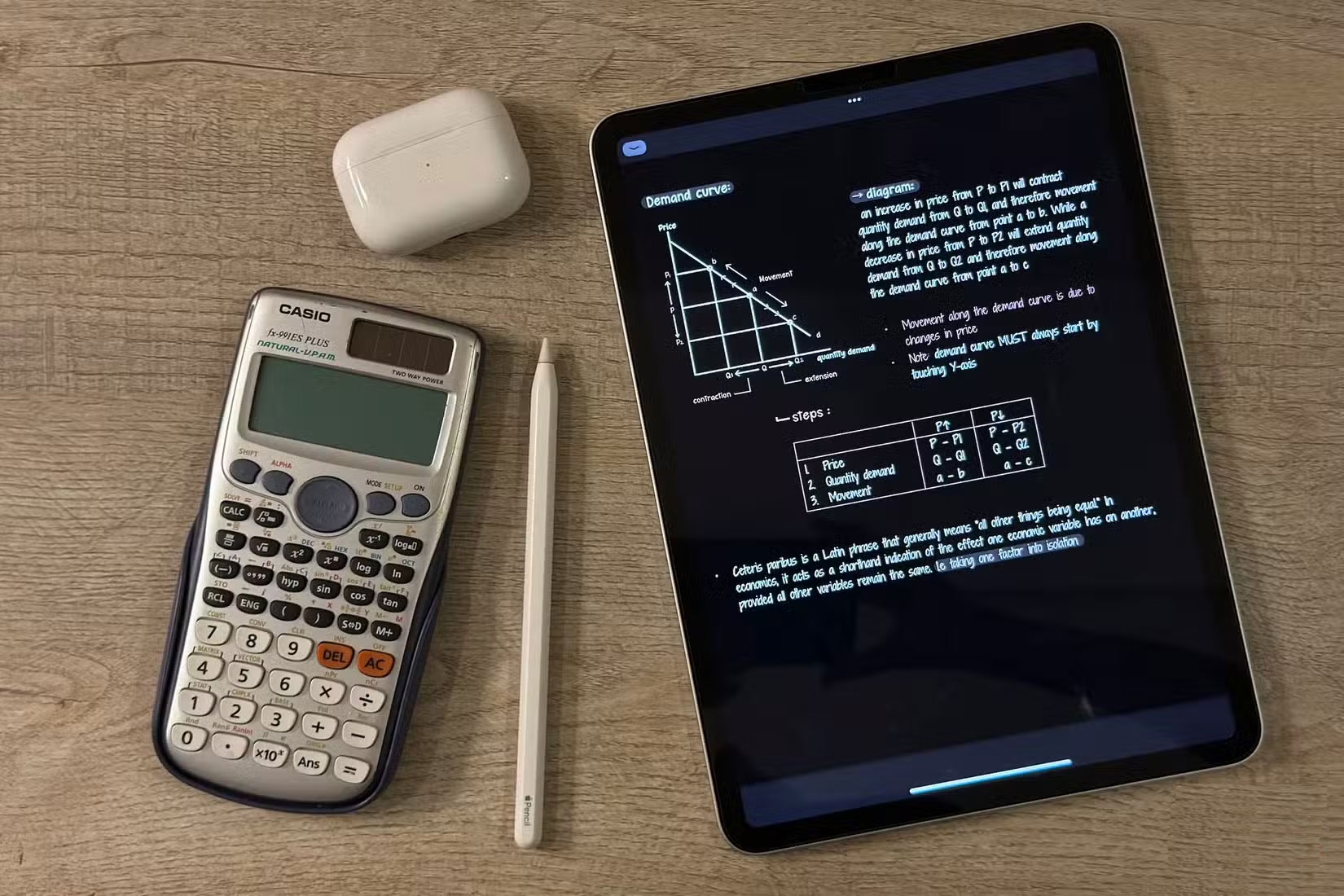
But today, the same functionality is available in smartphone calculator apps, along with a whole suite of scientific tools, graphing tools, and even symbolic problem solvers. The irony is that the calculator was once the disruptor, replacing the algebraic scale and ushering in a new wave of accessible mathematics.
8. GPS device
Dedicated GPS devices like Garmin and TomTom were groundbreaking at the time, offering a convenient alternative to folding paper maps. But smartphones have since redefined how we navigate.

Navigation apps like Google Maps and its alternatives do more than just provide turn-by-turn directions. They offer live traffic updates, intelligent rerouting, and even sync with contacts and calendars for seamless trip planning.
7. MP3 player
Remember the pride you felt when you picked up your first MP3 player? It was a bulky Creative Zen with a tiny screen and only room for a few dozen songs.
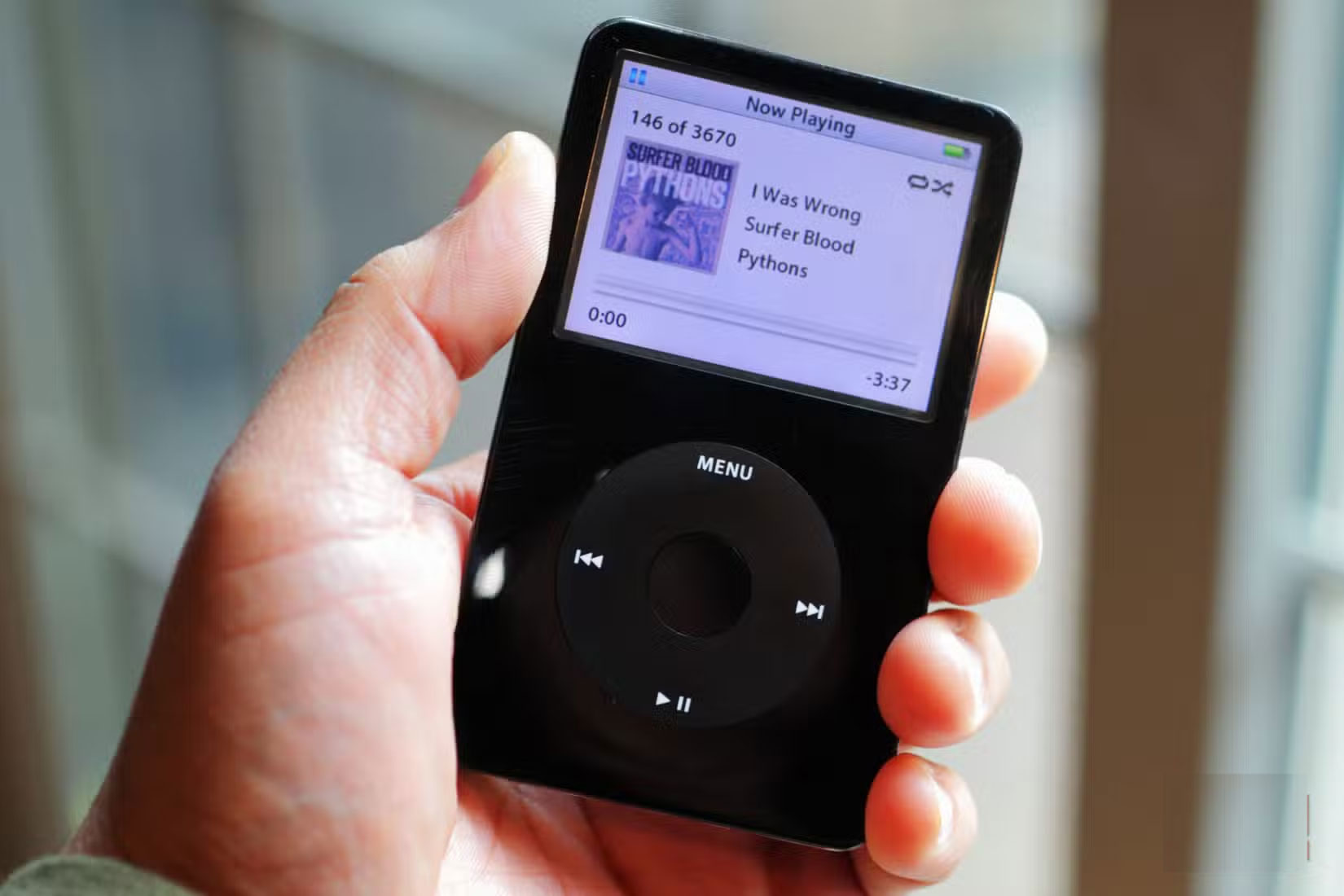
But as smartphones and streaming music apps like Spotify, Apple Music, and YouTube Music emerged, the idea of 'owning' MP3s began to feel a little strange; perhaps even unnecessary. Access quickly replaced ownership.
6. Alarm clock
There's something strangely comforting about the soft red glow of a digital alarm clock sitting on your bedside table. We grew up with a clock with a physical button and a snooze bar as a lifeline on school mornings.
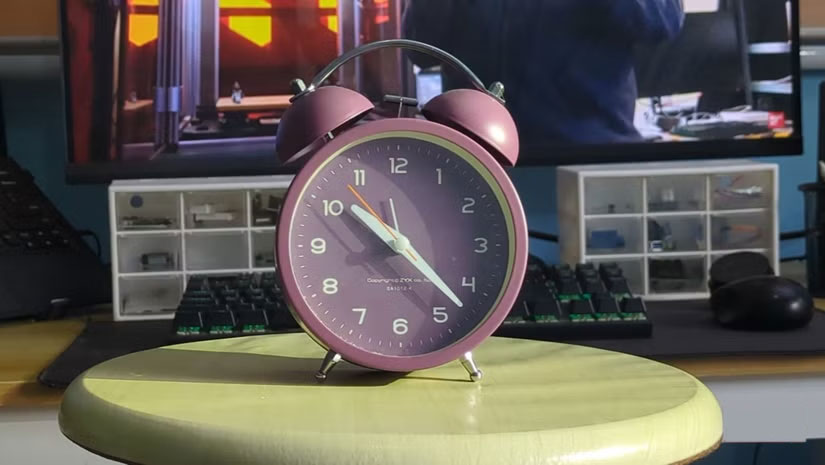
But when smartphones entered the bedroom, alarm clocks were quietly pushed aside. Now, phones are alarm clocks, sleep trackers, white noise machines, and integrated entertainment systems. You can set multiple alarms, customize snooze times, and choose from hundreds of alarm sounds. It's hard to deny the convenience.
5. Flashlight
For most people, the LED flash of their smartphones has quietly replaced the traditional flashlight. It's hard to resist the convenience of having a light source in your pocket, ready to help you find your keys, deal with a sudden power outage, or look under the sofa without having to fumble for another device.
4. Voice recorder
Once upon a time, a pocket-sized digital voice recorder was a must-have for students, journalists, or anyone chasing a lyric or fleeting idea. It was simple: Just hit record, speak your mind.
But these days, when you need to record a podcast idea, record a random conversation, or capture a fleeting thought, you don't have to think twice. Just open a voice recorder app. Thanks to better built-in microphones and AI-powered noise reduction, the audio is often clearer than any old voice recorder could handle. And you can edit, transcribe, or share the file without switching apps.
3. Scanner
Many people have had headaches at the thought of scanning something because it means having to pull out a bulky machine, boot up slow software, and pray that the printed image isn't warped or grainy - all just to digitize a receipt or save a signed form.
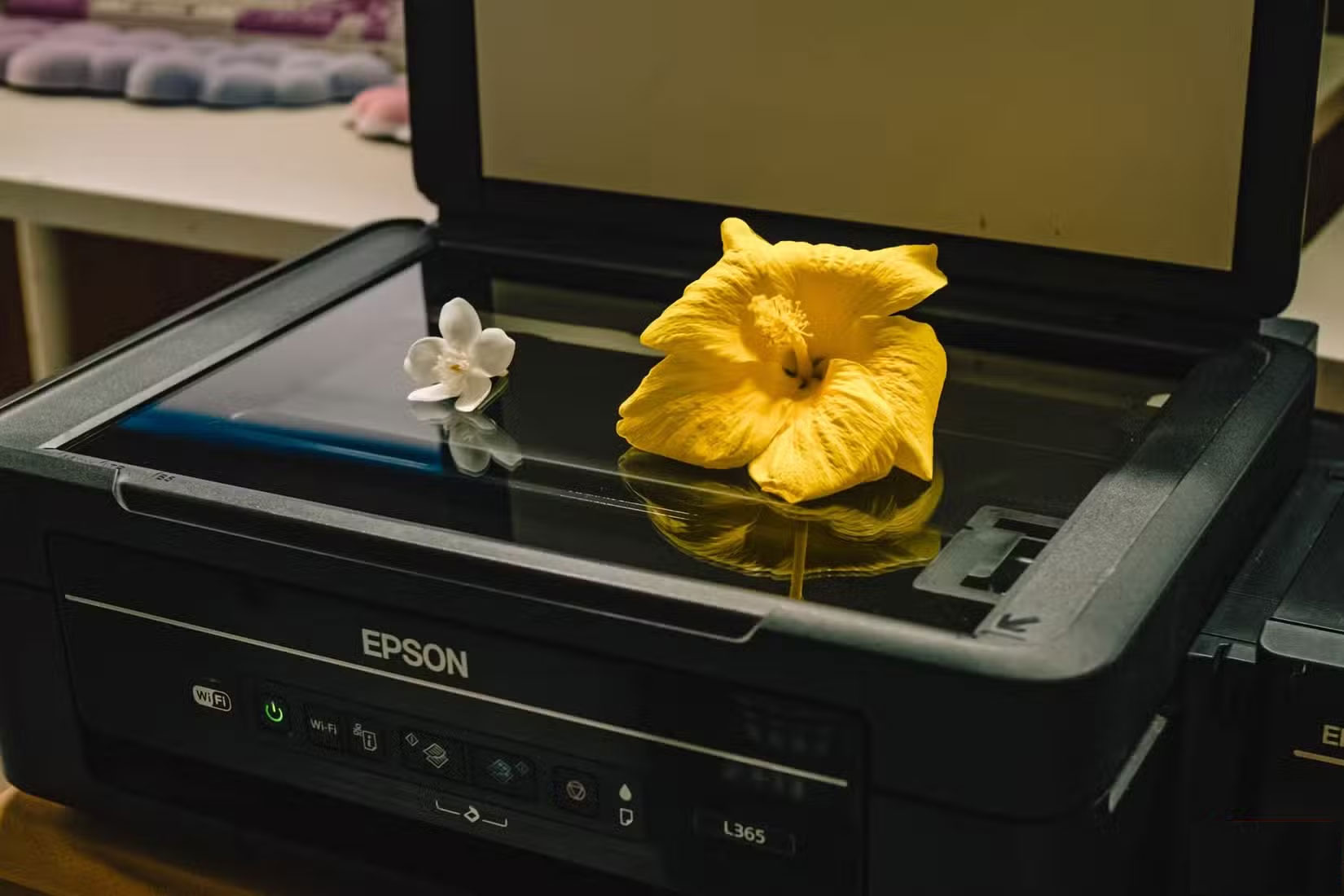
Now your smartphone can scan documents and make them look great. Scanning apps like Adobe Scan, Microsoft Lens, CamScanner, or even the built-in Notes app can scan, automatically crop, edit, and convert images to PDFs in seconds.
2. Personal digital assistant
Remember the Palm Pilot with its stylus and grayscale screen? It couldn't make calls or take pictures, but it could manage your calendar, take notes, store contacts, and even play the occasional game of pixel solitaire.
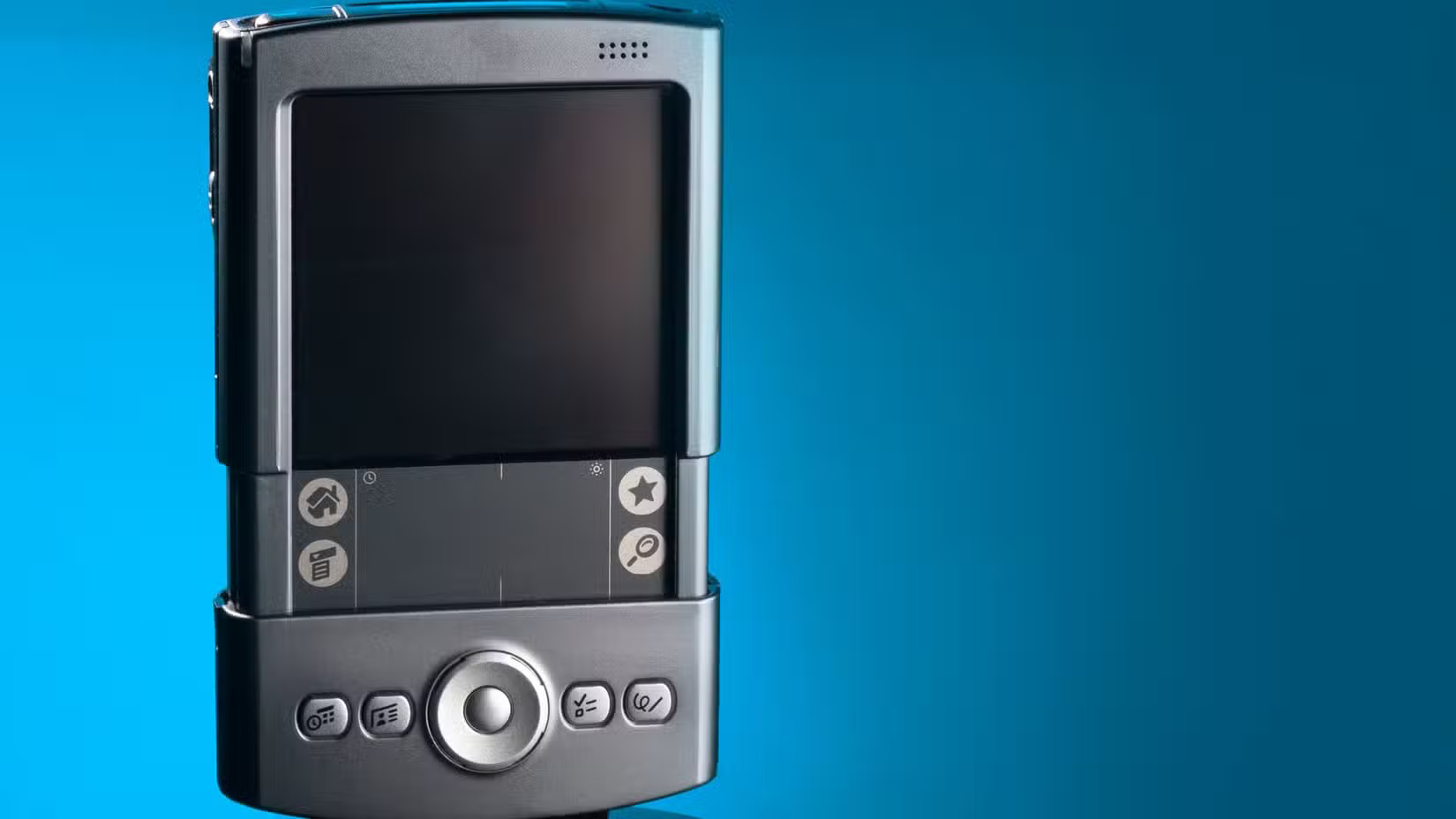
Those early PDAs may seem primitive by today's standards, but they laid the groundwork for the smartphones we use every day. Every swipe, tap, or "Hey Siri" comes from those early smartphone prototypes (in some way). They walked so the smartphones we have today could sprint—and we've been running marathons ever since.
1. E-book reader
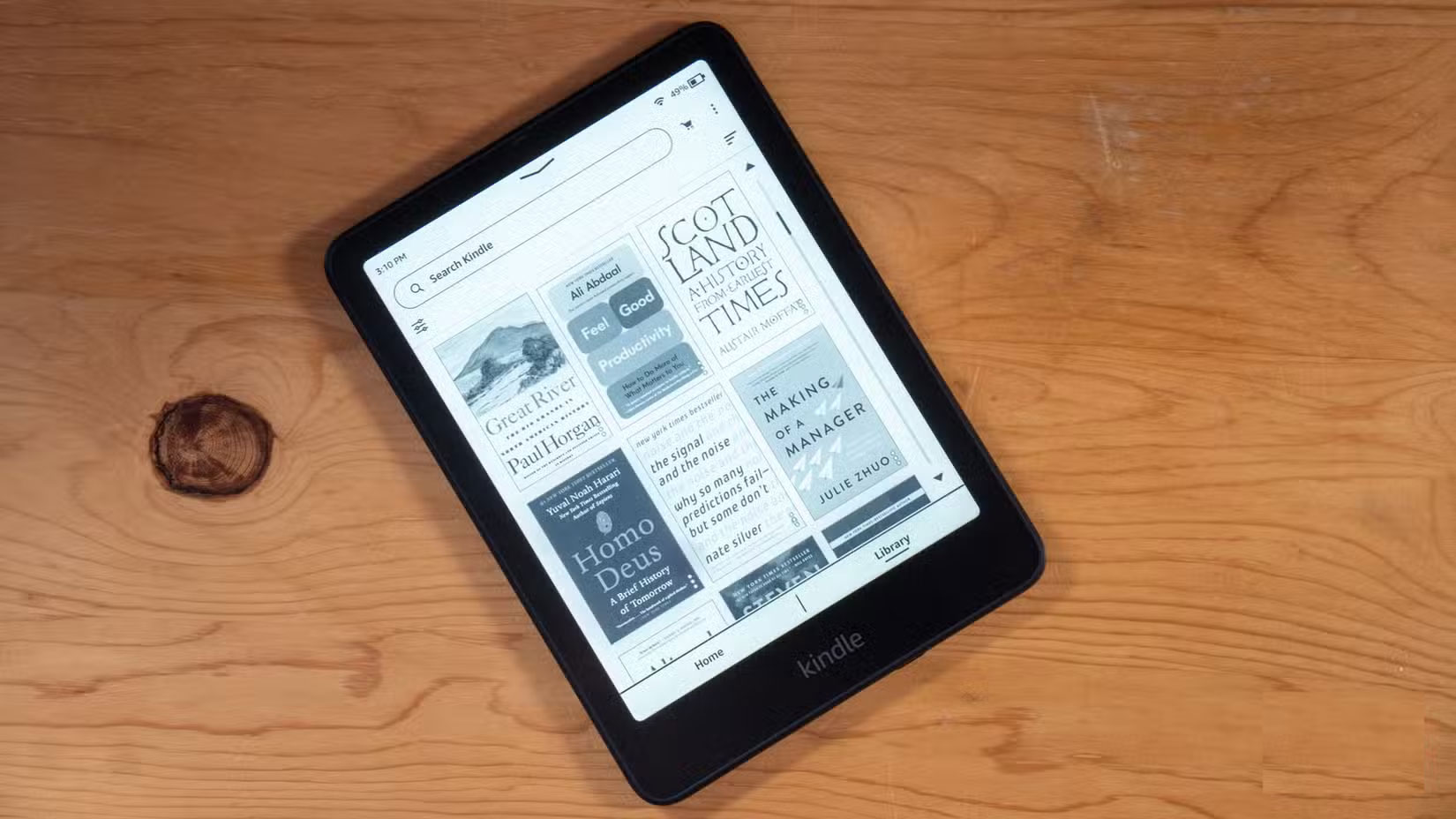
This category needs a more nuanced look because dedicated e-readers, like the Kindle, aren't going away. In fact, they're still around. However, smartphones have replaced the basic e-reading function for many casual readers. The ability to read books, magazines, and articles on your phone, especially with the best e-reader apps and a variety of news apps, has made reading easier and more a part of everyday life.
FAQ
What should you know about 10. Travel camera?
For many people, a point-and-shoot camera was their first taste of digital photography. Now, phones can do it all—and with computational photography and AI photo editing, they're arguably doing it better for the average user.
What should you know about 9. Pocket calculator?
You remember your old TI-35 calculator. It was small, scientific, and at the time, it made people feel like they could solve anything but nuclear equations. In school, it was a symbol of preparation, and its little green LED screen gave it a high-tech feel.
What should you know about 8. GPS device?
Dedicated GPS devices like Garmin and TomTom were groundbreaking at the time, offering a convenient alternative to folding paper maps. But smartphones have since redefined how we navigate.
What should you know about 7. MP3 player?
Remember the pride you felt when you picked up your first MP3 player? It was a bulky Creative Zen with a tiny screen and only room for a few dozen songs.
Related Articles
 10 Items You Thought You Could Use Forever, but It Turns Out They Still Have an5 minutes read
 How Do I Know If My Old iPhone Has Been Repaired or Replaced?6 minutes read
 Code Pokemon Bronze Forever, Code Project Bronze Forever4 minutes read
 Jobs at Risk of Being Eliminated by AI in the Future: Complete Guide7 minutes read
 5 Smartphone Trends That Should Be Eliminated7 minutes read
 15 Pictures Show Nothing Is Forever Before Time3 minutes read
Reader Comments 0
Sign in with email or Google to join the discussion.