Table of Contents
An Embedded Computer is easier to understand when the core ideas are explained in practical terms. This guide covers what it means, how it works, why it matters, and the main details you should know.
Key Takeaways
- Understand what is an embedded computer.
- Explore how do embedded computers work.
- Understand benefits of using embedded computers.
What Is an Embedded Computer?
An embedded computer/embedded PC is a specialized computer system that forms an integral part of a larger machine or system. In contrast to a regular desktop computer, an embedded computer is usually designed or used for a single purpose.
While enterprise IT equipment in a manufacturing environment can handle a variety of tasks such as timesheets in an Excel spreadsheet, MRP software for production planning and inventory management, embedded computers are used to sit inside kiosks or digital signage units.
How Do Embedded Computers Work?
Embedded computers are task-specific systems, meaning they are built to perform one task rather than many different tasks. Although the exact design of a particular embedded computer depends on its intended task, it typically contains a processor, power supply, memory, and communication ports.
The components in an embedded computer can be divided into hardware and software components. Hardware components include processors, sensors, analog-to-digital converters, digital-to-analog converters, and actuators. Software components vary in complexity depending on the embedded system. However, industrial-grade embedded computers can use simple software with small memory capacities.
Embedded computers work by taking in data and producing output to perform their specific tasks. The system processes that data to produce output after collecting data. This could mean controlling devices that move parts of a machine, displaying information to users, or communicating with other systems.
Benefits of Using Embedded Computers
Users will receive outstanding benefits such as: when using embedded computers.
- High performance, compact size, and low cost and the ability to perform real-time operations, make them suitable for time-sensitive applications.
- Optimized design for specific tasks ensures reliability and energy efficiency.
- Widely used in robots, military equipment and IoT, embedded computers are easy to integrate, simple to maintain, and provide effective solutions for many fields.
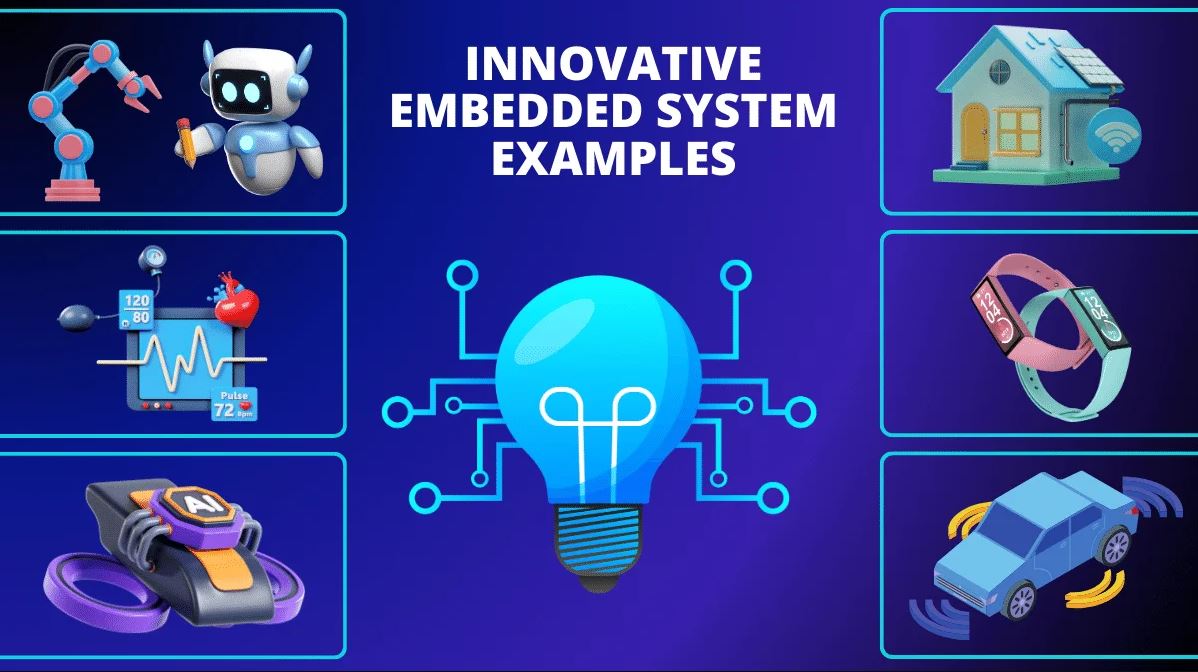
Benefits of using embedded computers.
In Which Fields Are Embedded Computers Applied?
Embedded computers are widely used in many fields, bringing high efficiency:
Industrial: Improve machine health, reduce downtime and maintenance costs with the ability to monitor and predict failures.
Internet of Things (IoT): Is the optimal solution for IoT systems, providing the ability to connect and manage data effectively. However, the disadvantage of applying embedded computers to IoT is its high cost. Therefore, not all manufacturers can use it.
Traffic: Integrated into intelligent transportation systems (ITS), helping to reduce congestion and limit energy consumption in traffic extremely effectively.
Medical: Used in diagnostic equipment, patient monitoring and therapeutic devices, playing a vital role in healthcare. Medical devices including pacemakers, insulin pumps and diagnostic tools rely on embedded systems for critical functions.
Other areas: Transportation (vehicles, aircraft), communications, energy (solar, wind), embedded computing demonstrate high flexibility and customizability.
Conclude
Embedded computers are an important platform for the development of many areas in modern life. With the ability to integrate flexibly as well as bring high performance and outstanding reliability, embedded computers are increasingly asserting their position and promise to make even greater contributions in the future. Understanding embedded computers and their applications in various fields not only helps you gain a deeper understanding of technology, but also opens up new opportunities in work and research.
Final Thoughts
The most reliable way to handle an embedded computer is to follow the process in order, verify each important setting, and test the result before moving on. Use the guidance above as a practical reference, then adjust the details for your device, software version, or specific goal.
FAQ
What is an Embedded Computer?
Embedded Computers (Embedded Systems) play an important role in today's life.
Why is an Embedded Computer important?
Understanding an embedded computer helps you evaluate its purpose, requirements, limitations, and practical impact before you use it or make a related decision.
Who should understand an Embedded Computer?
It is useful for beginners who need a clear overview and for experienced users who want to confirm terminology, requirements, or best practices.
Related Articles
 What Is a VPN Explained8 minutes read
 What Skills Are Needed to Become a Firmware Developer?5 minutes read
 Concept of E-Government18 minutes read
 What Is a Folder the Concept of a File (File) and a Folder (Folder) in a5 minutes read
 Google Will Block Login Activity from Embedded Frameworks in the Browser5 minutes read
 What Are the Types of Concept Maps?7 minutes read
Reader Comments 0
Sign in with email or Google to join the discussion.