Table of Contents
This updated guide answers the question 'What Is an Oarfish? Why Is the Oarfish Called the Apocalypse Fish' with clear explanations and practical context. The oarfish (Regalecus glesne), commonly known as the 'Doomsday Fish,' has been the subject of legend for its rare sightings before earthquakes and tsunamis. While folklore has led people to believe this, scientific research has yet to reach a definitive conclusion.
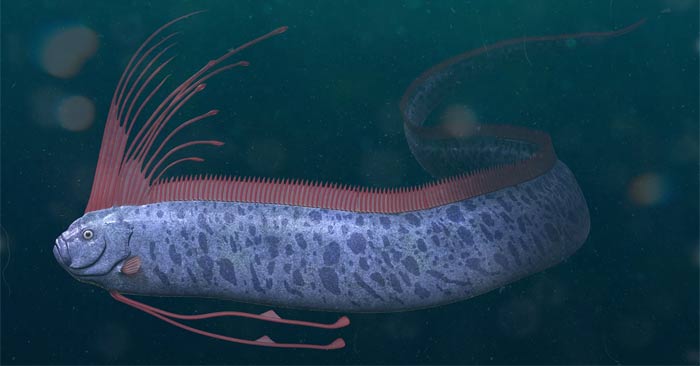
Recent oarfish sightings in Mexico and other locations raise questions about climate change, seismic activity, and shifting deep-sea ecosystems. Let's take a closer look at the oarfish and why it is being called the apocalypse fish!
What Is a Paddlefish?
Oarfish are rarely seen by humans because of their deep-sea habitat. They are considered to be one of the longest bony fish, with a ribbon-like body that allows them to float seamlessly through the water column. Here is an overview of the main characteristics of oarfish:
| Characteristic |
Describe |
|
Scientific name |
Regalecus glesne |
|
Common name |
Oarfish, the apocalyptic fish |
|
Size |
Up to 30+ feet (9m) |
|
Living environment |
Deep sea (middle sea, down to 1,000 meters) |
| Diet |
Krill, plankton and small crustaceans |
|
Appearance |
Long, silver stem with red crown-like spikes |
Why Is the Oarfish Called the Doomsday Fish?
The eerie nickname " Doomsday Fish " stems from many cultural legends that associate oarfish sightings with impending natural disasters.
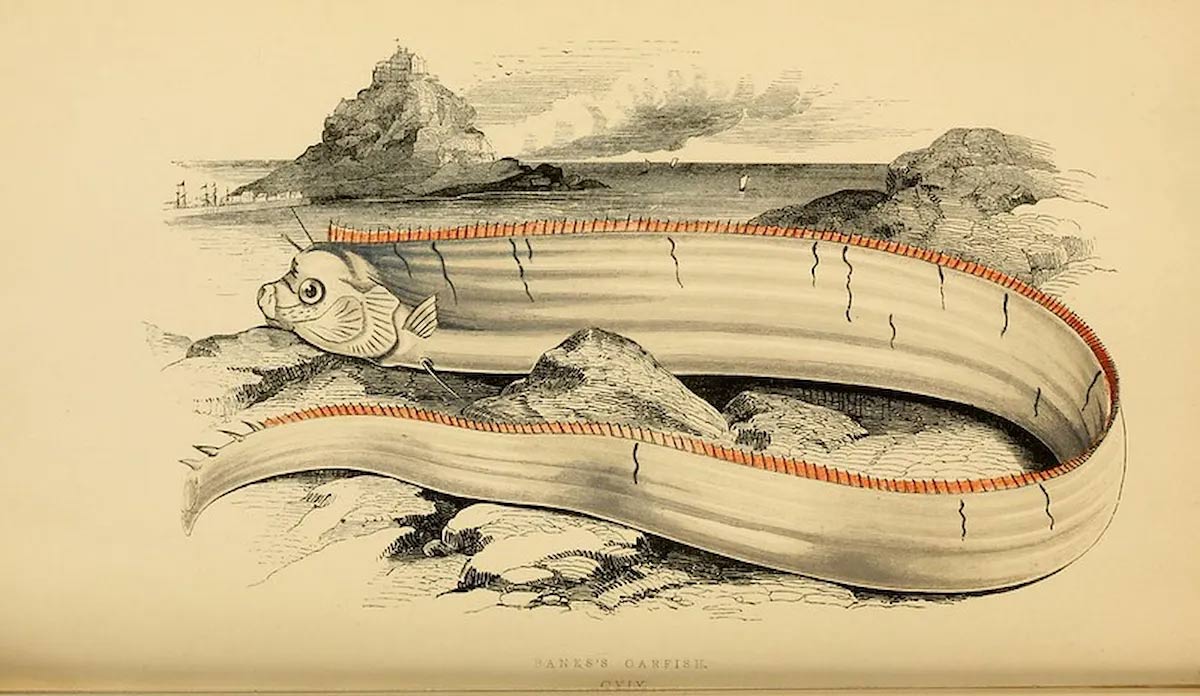
The Reason Behind the Legend
- Earthquake Connection: In Japan & the Philippines, oarfish are considered harbingers of earthquakes and tsunamis. Prior to the 2011 earthquake in Japan, 20 oarfish were reportedly washed ashore. This information further solidifies this belief.
- Rare Surface Sightings: Because oarfish live in deep-sea environments, their appearance near the surface is unusual and is often associated with illness or disorientation. This rarity has contributed to superstition.
- Ancient Legends: Oarfish, because of their strange size and shape, may have inspired ancient sea monster myths. The undulating swimming motion of oarfish adds to their mysterious aura.
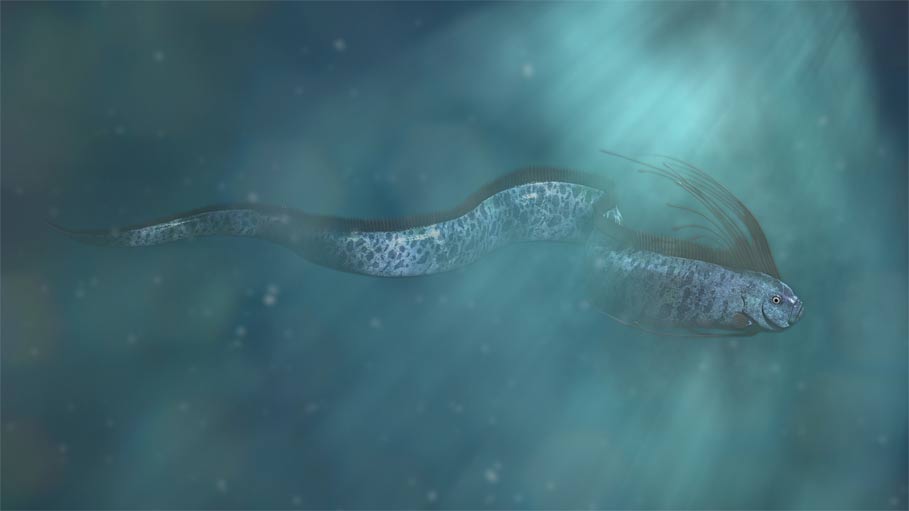
While oarfish remain a mystery of the deep, their rarity and unique characteristics have led to enduring legends. Whether or not oarfish truly predicted the disaster, their existence highlights the need for humanity to protect our oceans. By reducing plastic waste and supporting conservation initiatives, we can ensure that deep-sea species like oarfish continue to thrive in their mysterious underwater world.
FAQ
What is an Oarfish? Why Is the Oarfish Called the Apocalypse Fish?
an Oarfish? Why Is the Oarfish Called the Apocalypse Fish refers to the concept, feature, product, or process explained in this guide. The main sections cover how it works and where it is useful.
Why is an Oarfish? Why Is the Oarfish Called the Apocalypse Fish important?
Its value depends on the problem you are trying to solve. Understanding the benefits and limitations makes it easier to decide whether it fits your needs.
Is an Oarfish? Why Is the Oarfish Called the Apocalypse Fish suitable for beginners?
Yes, beginners can start with the basic explanation and examples in this guide, then move to more advanced settings or techniques as their confidence grows.
Related Articles
 Fish Eat Fish: Go: Explained4 minutes read
 Invite to Download the Battlefield 1 Expansion Pack4 minutes read
 The Most Special Fish on the Planet Has Pale Green Flesh Like3 minutes read
 Fish Have Nostrils and Mouths but Are Not Present3 minutes read
 Good Fish Oil, Uses and How to Drink: Omega 3 Fish Oil10 minutes read
 Collapse Os, an Open Source Operating System for the Apocalypse4 minutes read
Reader Comments 0
Sign in with email or Google to join the discussion.