Table of Contents
This guide provides a clear, practical overview of "It's Replacement Time for Popular Household Appliances". It organizes the most useful details, explains important considerations, and highlights the steps or choices that matter most.

Dishwashing sponge
If you've ever smelled the odor when your kitchen sponge starts to change color, you probably know that you need to replace it regularly.
The kitchen environment actually contains a higher concentration of harmful bacteria than the bathroom, largely due to the presence of kitchen sponges. Kitchen sponges are often the largest reservoir of bacteria in the entire home. Regardless of the sterilization method used, only 60% of harmful bacteria are removed. Cross-contamination from kitchen sponges is considered one of the main culprits in the spread of bacteria in food.
That means cleaning your sponges isn't really that effective. What you should do is replace them regularly. Experts recommend replacing your sponges every week or two.
Dry spices
Dried spices are generally not dangerous. But they do tend to lose flavor over time. Whole spices tend to break down more slowly than ground herbs and spices. So if you want your food to have the best flavor and aroma, you should replace whole spices every 3 years and dried spices every 1 to 3 years.

Cutting board
If you have a favorite cutting board that you've been using for years, it's probably time to replace it. As soon as your cutting board (whether wood, plastic, or any other material) develops grooves and cracks—like when you repeatedly cut across it with a knife—it creates more and more hiding places for harmful bacteria.
Wooden cutting boards can be sanded to remove the grooves, disinfected, and re-oiled to make them last a little longer, but plastic cutting boards need to be replaced. And the same goes for wooden cutting boards eventually. Plastic cutting boards should be replaced every 1-3 years, as soon as they start to show signs of wear, while wooden cutting boards should be replaced or refurbished at similar intervals.
Want to stop replacing cutting boards? Try one made of pure titanium.
Toilet brush
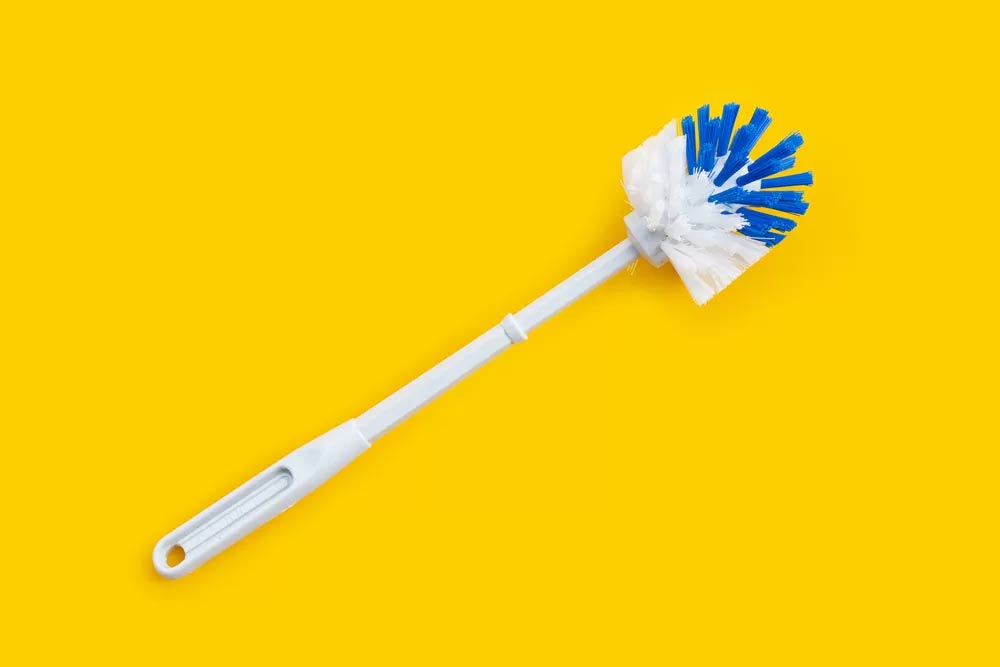
It's no secret that toilet brushes get dirty. You should thoroughly clean and disinfect them after each use, which can help them last longer and keep your toilet cleaner. But even with a rigorous cleaning routine, everything has its limits. For toilet brushes, the shelf life is about six months.
Toothbrush
Your mouth is a hotbed of bacteria, and unless you use a toothbrush cleaner every day, some of that bacteria will end up on your brush. Plus, as your bristles wear down, they become less effective at cleaning your teeth. So you should replace your toothbrush (or the brush head on your electric toothbrush) every 3-4 months. And if you're sick? Replace it as soon as you're better, so you don't get reinfected.
Hairbrush
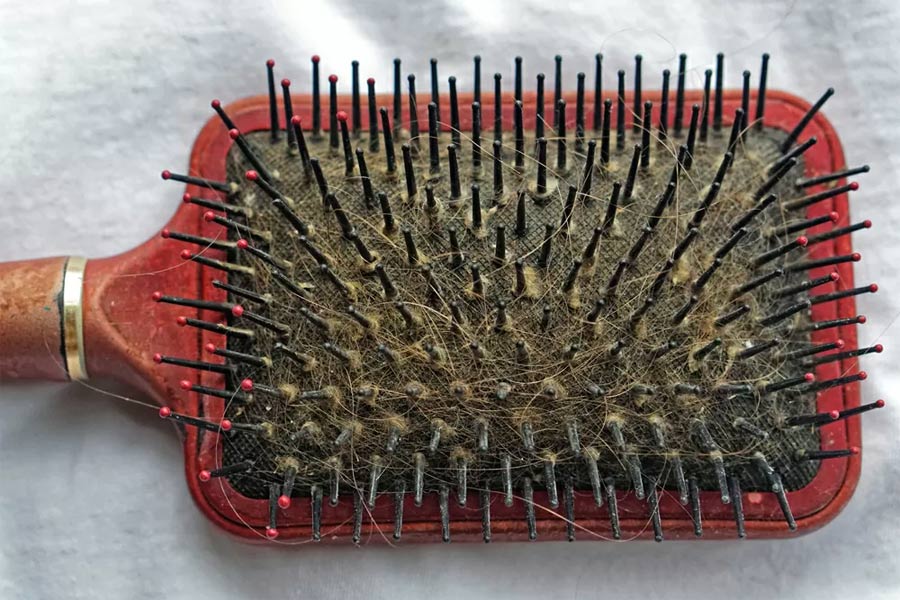
When was the last time you replaced your hairbrush? If you can't remember, it's probably time. Experts recommend replacing your hairbrush (even if you clean it regularly) about every six months. Brushes can collect all sorts of dirt and debris that you don't want to get stuck in your hair or on your scalp.
Shower Liner
Given the humidity and products used in the bathroom, it probably comes as no surprise that you need to replace your shower curtain liner periodically, even if you clean it regularly. But what's surprising is how often you should actually do this—about every six months. Otherwise, it can release harmful chemicals into the air in your bathroom that you breathe in every time you steam.
Running/walking shoes
Running shoes do a lot for your body, from keeping your feet comfortable to stabilizing your knees and hips. Natural wear and tear over many miles will cause your shoes to break down and no longer provide the grip, support, and stability you need. To avoid injury, you should replace your running or hiking shoes every 500 miles — more often if you run or hike on rough terrain or have mechanical issues like pronation or overpronation. Go with the flow. If you've put in a few hundred miles and your feet, knees, lower back, or hips start to hurt, it may be time to buy new shoes.

Yoga Mat
Yoga mats provide stability, cushioning, and a non-slip surface, while also acting as a barrier between you and a dirty floor. And after about one to three years of regular use, they stop doing those things well, jeopardizing your safety and comfort during your practice. Plan to replace your yoga mat every one to three years. Don't wait until it wears thin, the material tears or clumps, becomes slippery, or starts to smell.
Furnace/air filter
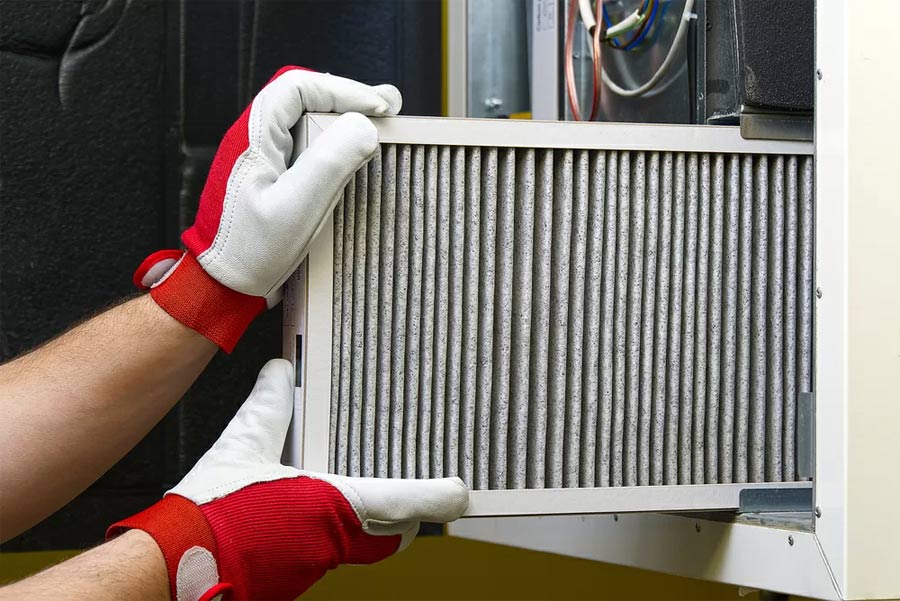
When was the last time you changed your HVAC air filters? It might be time! Properly functioning filters get clogged with all the dirt and dust they're filtering from the air. How often you need to replace them depends on the type and level of use. Fiberglass air filters should be replaced about every 30 days, while pleated air filters should be replaced every three to six months on average. If your air filters are especially used, you may need to replace them more often.
FAQ
What should you know about dishwashing sponge?
If you've ever smelled the odor when your kitchen sponge starts to change color, you probably know that you need to replace it regularly.
What should you know about dry spices?
Dried spices are generally not dangerous. But they do tend to lose flavor over time. Whole spices tend to break down more slowly than ground herbs and spices. So if you want your food to have the best flavor and aroma, you should replace whole spices every 3 years and dried spices every 1 to 3 years.
What should you know about cutting board?
If you have a favorite cutting board that you've been using for years, it's probably time to replace it. As soon as your cutting board (whether wood, plastic, or any other material) develops grooves and cracks—like when you repeatedly cut across it with a knife—it creates more and more hiding places for harmful bacteria.
What should you know about toilet brush?
It's no secret that toilet brushes get dirty. You should thoroughly clean and disinfect them after each use, which can help them last longer and keep your toilet cleaner. But even with a rigorous cleaning routine, everything has its limits. For toilet brushes, the shelf life is about six months.
Related Articles
 Which Country Is the Electrolux Vacuum Cleaner, Which One Is5 minutes read
 Should I Buy 304 or 316 Stainless Steel Appliances: What to Know3 minutes read
![[Consulting] What Kind of Good Microwave Oven Should Buy Today](/data/thumbs_200x120/[consulting]-what-kind-of-good-microwave-oven-should-buy-today_thumbs_200x120_kJ0qZP3G2.jpg) [Consulting] What Kind of Good Microwave Oven Should Buy Today9 minutes read
[Consulting] What Kind of Good Microwave Oven Should Buy Today9 minutes read How to Use Household Electrical Equipment Safely and Explosion-Proof5 minutes read
 Guide to Using Gas Stoves Economically and Safely, Avoiding5 minutes read
 Where to Buy Household Goods When Amazon and Walmart Are Out6 minutes read
Reader Comments 0
Sign in with email or Google to join the discussion.