Table of Contents
This practical guide explains how to use household electrical equipment safely and explosion-proof with clear steps and useful context. It also covers common requirements, potential problems, and the details that can help you get better results.
 Safe use of household electrical appliances
Electrical Appliances in the Home Have a High Risk of Fire and Explosion
 Iron is one of the electrical appliances with a high risk of fire
- Types of household electrical appliances with high fire potential are irons, electric stoves, electric ovens, rice cookers, electric kettles, dryers, etc. The general operating principle of these devices is to use them. using heating wire - resistance to heat, so the risk of fire is very high if the manufacturer uses raw materials of poor quality or improperly assembled.
- Conductors in these devices have a plastic sheath that, if poor quality, will easily become brittle, crack or melt, causing electric shocks leading to fire.
- Burners using poor quality materials, improperly assembled will touch the wall of the bag, or the heating plate will cause an electric shock.
- Due to use in a high-temperature environment, components are prone to aging and rust, which also leads to short-circuiting.
- Electrical equipment with large capacity, if plugged into electrical outlets or connectors of poor quality or with insufficient capacity, will lead to overload causing heat, melting, short-circuiting and fire.
Household Electrical Appliances Are at Risk of Leakage Causing Electric Shock
 Electrical equipment is at risk of leakage causing electric shock
- The types of household electrical appliances that have a high possibility of leakage are electric kettles, super speed water heaters, water heaters, washing machines, water pumps, etc. because these devices are all related to water, so the danger is. water leak causes very high electric shock if the manufacturer uses poor quality raw materials or improperly assembled techniques.
- Water pipes or poor quality or rusty connections will leak water and cause electric shock.
- Large electrical appliances such as refrigerators, washing machines, dryers, etc. often have rats entering and biting the wires inside, causing the wires to peel off the protective cover that can touch the case causing electric shock.
- In addition, if you use it improperly, causing water to spill out, it can also cause electric shock.
To Use Home Electrical Equipment Safely, Please Follow the Following Steps
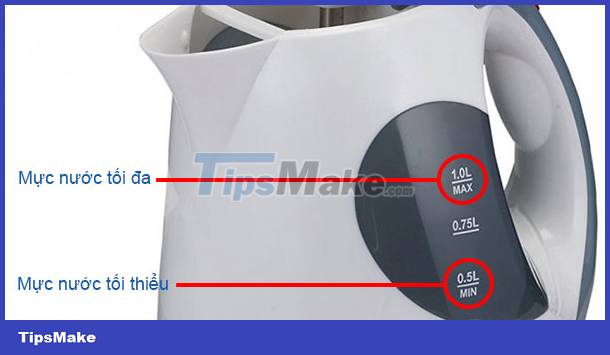 Use electrical equipment according to the manufacturer's instructions
- Install and use electrical equipment in accordance with the manufacturer's instructions.
- For appliances that emit heat such as refrigerators, air conditioners, electric stoves, ovens, etc. always keep the minimum ventilation distance required by the manufacturer.
- Except for the included accessories, do not put any other metal objects in the microwave oven.
- When using kettles, do not add water less than the Min mark or more than the Max mark on the kettle.
- For electric fans, it is necessary to periodically check and maintain, to avoid the case of the fan being stuck and not rotating, causing the coil inside the motor to heat up, causing an electrical short and possibly causing a fire.
- Use an insulated, heat-insulated ironing board to help prevent fire when ironing.
- Clean up electrical equipment after use.
- Each electrical appliance is marked with a wattage, check to make sure that the electrical outlets or connectors can withstand the maximum wattage of the devices.
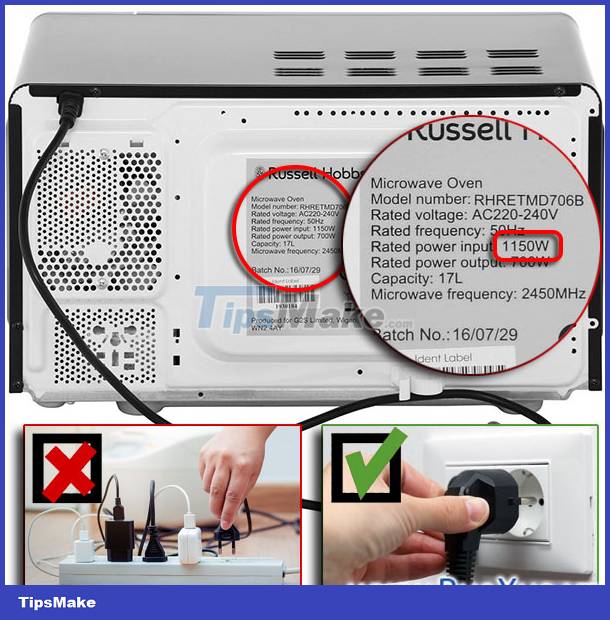 Electrical outlets or connectors must withstand the maximum power rating of the appliances
See more articles Handbook to save energy in the home
Conclusion
Understanding Electrical Equipment Use makes it easier to compare options, avoid common mistakes, and apply the information in this guide more effectively. Review the relevant requirements before making changes or choosing a solution.
FAQ
How do you use household electrical equipment safely and explosion-proof?
Follow the steps in this guide in order, confirm the required settings or tools, and verify the result before making additional changes.
Is it safe to use household electrical equipment safely and explosion-proof?
It is generally safe when you follow the recommended instructions, use trusted tools, and avoid changing settings you do not understand.
What should you do if the process does not work?
Recheck the requirements, restart the device or application when appropriate, and review each step for missed settings or compatibility issues.
Related Articles
 Which Technology Device Consumes Electricity?7 minutes read
 Compare Moisture-proof Cabinets Using IC Technology and Drying4 minutes read
 Guide to Using Gas Stoves Economically and Safely, Avoiding5 minutes read
 What Is Apollo's Electricity Jack? Is That Good?4 minutes read
 How to Choose the Right Electric Fan for Your Needs?10 minutes read
 New Combinations of Oxides and Semiconductors Can Create New Electronic Devices4 minutes read
Reader Comments 0
Sign in with email or Google to join the discussion.