Table of Contents
This guide provides a clear, practical overview of "What You Need to Know About the New Blood Type: Gwada Negative". It organizes the most useful details, explains important considerations, and highlights the steps or choices that matter most.
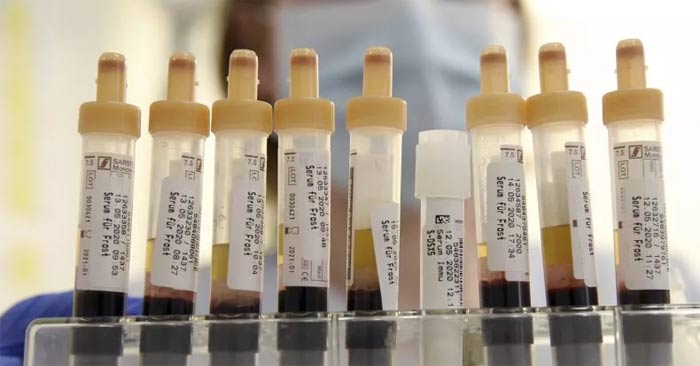
In a world where blood is only viewed through the lens of types A, B, AB and O, a study has changed our understanding. After 15 years, French scientists have discovered a 48th new blood group system. The rare discovery was made after a blood sample collected for a routine pre-surgery test turned out to contain something never seen before. The new blood type - dubbed " Gwada negative " - contains the essence of the origin and uniqueness of its bearer.
Here's everything we need to know about the new Gwada negative blood group, what it really means, and why it matters.
New blood type discovered from simple blood test, not groundbreaking experiment
It all started in 2011. A 54-year-old woman living in Paris, originally from Guadeloupe, underwent a routine blood test before surgery. But her blood sample was unusual. It wasn't just that it didn't match the usual blood types; it carried an antibody that didn't match any known blood type.
The medical team noticed the anomaly, but at the time, the tools available were not powerful enough to solve the mystery. The blood sample was preserved. And for the next eight years, the case remained unsolved.
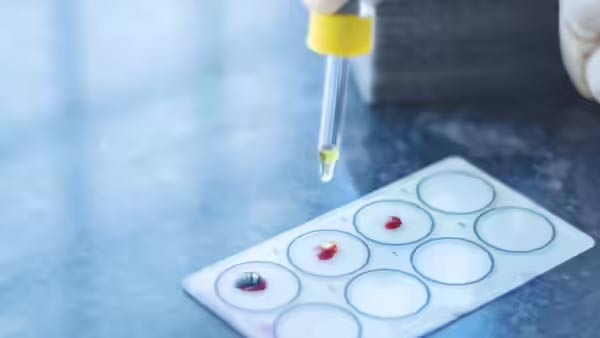
NA sequencing revealed the truth, but it took time
Fast forward to 2019. With advances in high-throughput DNA sequencing, scientists revisited the old blood sample using a new method, and this time, they found the clue they were after.
A gene mutation has been identified, a completely new version never before detected in the global blood group database.
The mutation comes from both her parents, meaning she inherited a rare version of the gene from each. It is this dual inheritance that gives her a unique blood type, one that does not match any known donor in the world. Incredibly, she is the only person on Earth who can safely receive her own blood.
The name 'Gwada negative' was chosen not only because it reflects her origins in Guadeloupe, but also because it is easy to pronounce. Scientists believe the name is fitting given its rare meaning.
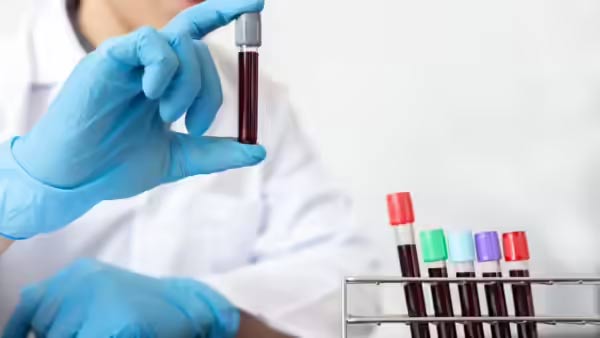
Why is this discovery not just another name on the blood type list?
At first glance, this may seem like an isolated scientific event. But the discovery of Gwada-negative opens up important discussions in the science of blood transfusion. When a person with a rare or unknown blood type needs surgery, a transfusion can be life-threatening if not properly matched.
In severe cases, transfusions with incompatible blood types can cause severe immune reactions. That's why new blood group systems are important—they could explain previously unexplained medical emergencies and help researchers improve transfusion procedures, especially for people with diverse genetic backgrounds.
So it's not just about cataloging blood, it's about improving the chances of survival for people with rare blood types, who may not even know they have rare blood types.
FAQ
What should you know about new blood type discovered from simple blood test, not groundbreaking experiment?
It all started in 2011. A 54-year-old woman living in Paris, originally from Guadeloupe, underwent a routine blood test before surgery. But her blood sample was unusual. It wasn't just that it didn't match the usual blood types; it carried an antibody that didn't match any known blood type.
What should you know about nA sequencing revealed the truth, but it took time?
Fast forward to 2019. With advances in high-throughput DNA sequencing, scientists revisited the old blood sample using a new method, and this time, they found the clue they were after.
Why is this discovery not just another name on the blood type list?
At first glance, this may seem like an isolated scientific event. But the discovery of Gwada-negative opens up important discussions in the science of blood transfusion. When a person with a rare or unknown blood type needs surgery, a transfusion can be life-threatening if not properly matched.
Related Articles
 The 4 Rarest Blood Types in the World, Are Like Gold4 minutes read
 Why Is AB the Rarest Blood Group in the World?6 minutes read
 Blood Group Has the Fastest Brain Aging Rate3 minutes read
 How Are Blood Types, Antibodies and Immunity to Covid-198 minutes read
 Losing up to 2 Thirds of Blood in the Body, Can Humans Survive?3 minutes read
 What to Eat to Supplement Blood for Pregnant Mothers During5 minutes read
Reader Comments 0
Sign in with email or Google to join the discussion.