Table of Contents
Accidentally Discovered a Drug That Kills Antibiotic-resistant Bacteria in. Is easier to approach with a clear overview and reliable steps. This guide organizes the essential information, highlights practical details, and explains what to check along the way.
Key Takeaways
- Review from garden plots to unexpected breakthroughs.
- Explore "two-in-one" attack mechanism.
- Understand global issue.
From Garden Plots to Unexpected Breakthroughs
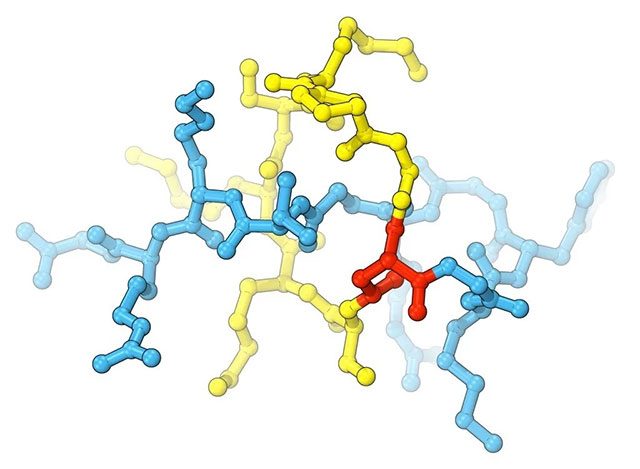
Interestingly, this antibiotic was found in… a technician's garden! Lasso peptides have a unique knot-like structure, making them extremely stable and difficult to degrade. Scientists collected soil samples from the garden and analyzed them, discovering a strain of bacteria called Paenibacillus that produces lariocidin – a lasso peptide. This property allows lariocidin to remain active much longer than other antibiotics.
"Two-in-one" Attack Mechanism
Lariocidin works differently than most existing antibiotics. Instead of attacking the cell wall, it targets the ribosome – the part of the bacteria responsible for synthesizing proteins. Proteins are essential for bacteria to survive and reproduce. Lariocidin disrupts this process in two ways at once:
- Ribosome inactivation: Prevents ribosomes from functioning properly.
- Causes protein synthesis errors: Forces ribosomes to produce defective proteins.
This combination helps lariocidin effectively kill even strains of bacteria that have successfully resisted many other drugs.
This discovery highlights the value of soil as a potential source of pharmaceuticals. Soil microbes have developed unique defense mechanisms against other bacteria, making them a valuable resource for antibiotic research. Scientists are increasingly looking to soil microbes for solutions to drug resistance.
Global Issue
According to the World Health Organization (WHO), antimicrobial resistance (AMR) is one of the top 10 threats to public health, causing approximately 1.27 million direct deaths each year. The development of new antibiotics such as lariocidin is key to reversing this trend and maintaining treatment effectiveness.
Despite its promise, lariocidin is still in the early stages of research. Scientists will need to conduct clinical trials to assess its safety and effectiveness in humans. In addition, developing a large-scale manufacturing process, given the complex structure of the lasso peptide, will require highly sophisticated synthetic technology.
This is proof that nature still has countless solutions that we have yet to discover. The key to success lies in looking in the right places and analyzing them properly.
Final Thoughts
The most reliable way to handle accidentally discovered a drug that kills antibiotic-resistant bacteria in is to follow the process in order, verify each important setting, and test the result before moving on. Use the guidance above as a practical reference, then adjust the details for your device, software version, or specific goal.
FAQ
What should I know first about Accidentally Discovered a Drug That Kills Antibiotic-resistant Bacteria in?
An international team of researchers has accidentally discovered a new antibiotic called "lariocidin" that can fight bacteria that don't respond to conventional drugs.
How do I get the best results with Accidentally Discovered a Drug That Kills Antibiotic-resistant Bacteria in?
Use current software or equipment, follow the steps in order, review the recommended settings, and test one change at a time so you can identify what improves the result.
What should I do if Accidentally Discovered a Drug That Kills Antibiotic-resistant Bacteria in doesn't work as expected?
Check compatibility, permissions, connectivity, and version-specific settings. Restart the relevant device or app, then repeat the process carefully before trying a more advanced fix.
Related Articles
 Komodo Dragon Blood Helps Fight Antibiotic Resistant Bacteria5 minutes read
 10 Reasons Why Antibiotic Resistance Is Scary Right Now9 minutes read
 Scientists Discover New Antibiotic Strain After More Than 30 Years4 minutes read
 How Did Bacteria Learn to Fight Antibiotics?7 minutes read
 Drug-resistant Bacteria Greatly Affect People Living in Nursing Homes4 minutes read
 Washing Machines May Harbor Antibiotic-Resistant Bacteria4 minutes read
Reader Comments 0
Sign in with email or Google to join the discussion.