Table of Contents
This guide provides a clear, practical overview of steps to block tracking pixels in apple mail, with useful context, important details, and straightforward takeaways for everyday readers.
What is tracking pixels?
As the name suggests, a tracking pixel is a 1×1 image pixel (like GIF, JPEG, PNG, etc.), hidden and embedded in an email or web page like any other image to track your activity. Friend. They can be part of an image, but sometimes also part of a link and are invisible to the naked eye.
When you open an email with an embedded tracking pixel, the code written to that pixel passes the information back to the sender. In other words, when you open something with a tracking pixel in it, your browser or email client sends a request to whatever server the tracking pixel is hosted on.
When the server receives this request, it logs some minimal information including the time, date, and IP address of the device that requested the pixel. In an email, the tracking pixel can track and send to its server information such as whether the email was opened, what you clicked on, and even where you were when you opened the email.
The information collected by the tracking pixel can be used for a variety of purposes. But no matter what, this is still a form of invasion of privacy, because the 'victims' are monitored completely without their knowledge.
Block tracking pixels in Apple Mail
Luckily, there are ways to block email tracking pixels built into iOS 15 and OS Monterey. Whether you're using an iPad, iPhone, or Mac computer, there are options that let you easily block the tracking pixel from tracking your emails.
For example, with Mail Privacy Protection, Apple describes this feature as follows:
'When an email arrives in the Mail app, instead of downloading the remote content when the user opens the email, Mail Privacy Protection downloads the remote content in the background by default - regardless of whether the user interacts with the email or not. are not. There won't be any information about the email content being tracked'.
This feature also routes remote content downloaded to Mail through a proxy server to prevent email senders from obtaining your IP address. Proxy IP addresses from your region will be visible to the sender, so they will be able to see general regional information, but not your exact IP address.
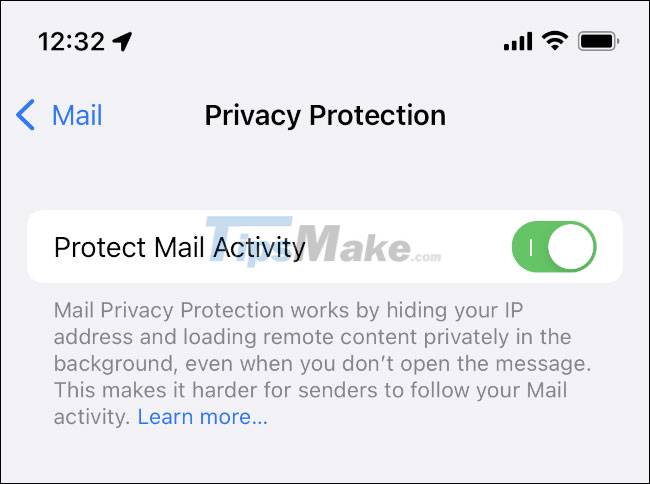
To enable this feature on iOS 15 or iPadOS 15 or later, do the following:
Step 1: Go to Settings > Mail.
Step 2: Click Privacy Protection
Step 3: Press the switch to activate the Protect Mail Activity feature
On a Mac:
Step 1: Open the Preferences app
Step 2: Click on Privacy
Step 3: Turn on Protect Mail Activity mode
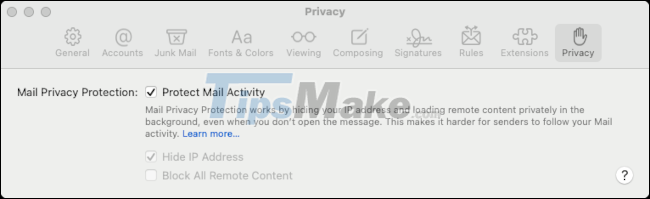
Apple claims this method will allow users to read their emails as usual without worrying about tracking pixels, because all of the email's content is downloaded privately in the background and routed through proxy servers.
For older OS versions:
If you don't have the latest update or you are using a device that is too old to be updated to the new operating system version mentioned above, there are other ways to block email tracking.
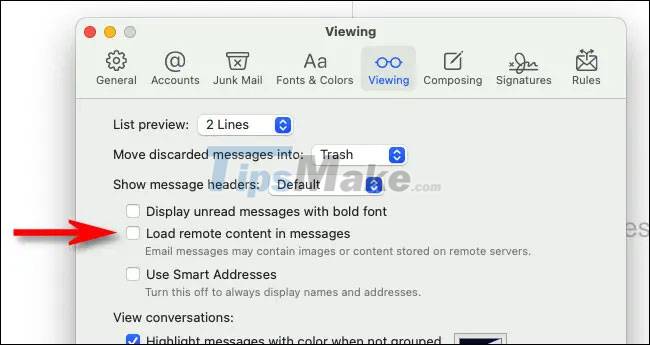
On a Mac:
Step 1: Go to Settings > Mail
Step 2: Turn off Load Remote Images option
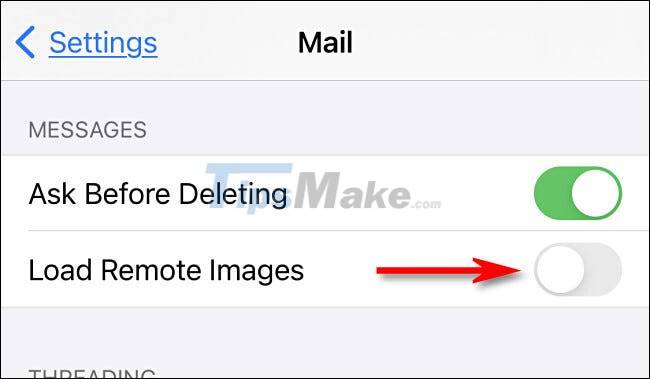
For iOS devices:
Step 1: Navigate to Mail > Preferences > Viewing
Step 2: Uncheck the option Load Remote Images
Key Takeaways
Use the information above as a practical reference for steps to block tracking pixels in apple mail. Review each step carefully, confirm any requirements, and choose the option that best fits your situation.
FAQ
What does this guide explain about Steps to Block Tracking Pixels in Apple Mail?
It explains the main concepts, practical considerations, and useful steps related to steps to block tracking pixels in apple mail without requiring advanced knowledge.
Who can benefit from learning about Steps to Block Tracking Pixels in Apple Mail?
This information is useful for readers who want a clear overview, practical guidance, and reliable steps related to steps to block tracking pixels in apple mail.
What should I check before applying this information?
Review the requirements, confirm that your device, software, or situation matches the instructions, and back up important data before making major changes.
Related Articles
 How to Enable iPhone Mail Privacy Protection3 minutes read
 4 Ways to Block Email Tracking Pixels9 minutes read
 How to Block Mailers in Mail on Iphone, Ipad4 minutes read
 4 Best Browser Extensions to Block Email Trackers6 minutes read
 How to Block Google from Tracking You on an Android Phone4 minutes read
 Why Do More People Still Not Use Apple Mail, Even Though It Has Been8 minutes read
Reader Comments 0
Sign in with email or Google to join the discussion.