Table of Contents
In the near future, an inexpensive device connected to your smartphone can warn you about harmful bacteria in food. This technology is currently being developed at Massachusetts Amherst University.
Key Facts About Bacteria
Led by food scientist Lili He, the researchers designed a chip that combines a molecule called 3-mercaptophenylboronic acid (3-MBPA), capable of binding to bacteria.
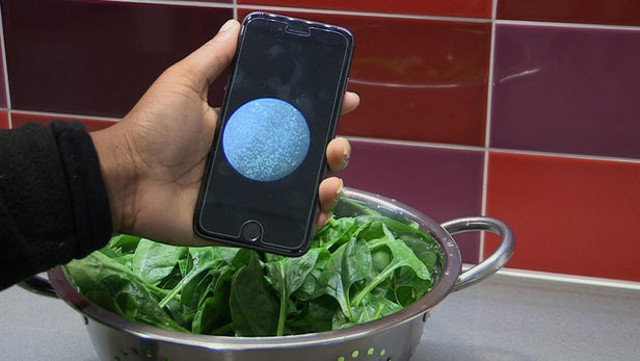
The chips are soaked in a juice sample or crushed food, and then washed with a high pH buffer liquid to wash away things like sugar, fat and protein from food, but not at all. any bacteria.
Next, the chip is placed in a simple light microscope, this glass has been designed for use with smartphones. The application then counts the bacteria in the chip - it can detect up to 100 bacterial cells on 1ml of solution.
Results were less than two hours while standard methods for culturing bacteria on current food samples took up to two days. Although there are other methods of detecting bacteria faster, he claims that they are not as sensitive and reliable as the new chip.
Hopefully once this technology is available on the market, it can be used by chefs, housewives, and even relief workers in disaster areas to check for bacteria in food and Rescue water source.
See more:
- 7 useful features of smartphones you may not know how to use.
- One in three smartphone users will encounter malicious banking applications.
- Google discloses the top Android smartphone for businesses.
FAQ
What is bacteria?
In the near future, an inexpensive device connected to your smartphone can warn you about harmful bacteria in food.
What makes bacteria notable?
This technology is currently being developed at Massachusetts Amherst University.
What are the key facts about bacteria?
Key Facts About Bacteria Led by food scientist Lili He, the researchers designed a chip that combines a molecule called 3-mercaptophenylboronic acid (3-MBPA), capable of binding to bacteria.
Related Articles
 Diple, a Tool That Turns a Smartphone Camera into a Microscope3 minutes read
 How to Detect Keyloggers on Smartphones: Practical Guide7 minutes read
 You May Not Know: Fermented Foods Contain Bacteria Prebiotics4 minutes read
 Probiotic Beneficial Intestinal Bacteria Can Help Reduce Seasonal Allergy Symptoms3 minutes read
 Measures to Treat and Treat Food Poisoning at Home7 minutes read
 NASA Launched E. Coli into Space to Study Antibiotic Resistance of Bacteria4 minutes read
Reader Comments 0
Sign in with email or Google to join the discussion.