Table of Contents
This article examines Phablet - Confess, Everyone Likes Big Phones. It presents the main facts, practical implications, and key points in a clearer, easier-to-follow format.
Phablet is a combination of 'phone' and 'tablet', bringing out the best of these two worlds: the big screen of the tablet and the handy, compact phone. You can bring it in your coat pocket, purse or purse. In short, phablets are big phones.
What Is Phablet?
Phablet is capable of replacing phones, tablets and laptops - not entirely, but in many cases. Most phablets have screen sizes of between 5 and 7 inches, their actual sizes are varied.
Phablet History
The first modern phablet was the 5.29-inch Samsung Galaxy Note, launched in 2011 and the most famous phablet model. Galaxy Note received many contradictory reviews, many were laughed at, but it also paved the way for thin and lighter phablets later. Part of the reason was that it looked a bit odd compared to the phone.
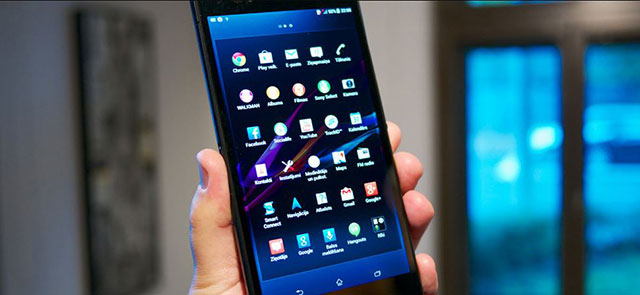 At first glance, it looks like phablet is a bit bulky compared to a phone.
Benefits of Phablet
Some phablets are large in size, difficult to hold with one hand and most cannot fit into their pockets like a phone, at least when you are sitting. In return, they have longer battery life, more powerful chipsets, better graphics, can stream games, videos and work more efficiently. For those with big hands, they are more convenient.
The phablet's big screen also makes it easier to read if your eyes are not too refined. Samsung's Phablet also has a stylus, an S Note application to take notes, and make handwriting into text very convenient.
Phablet is suitable for:
- Watch videos, watch movies wherever you are.
- Play high graphics games.
- View, edit documents, spreadsheets.
- Use screen split mode.
Some minus points of phablet:
- Not easy to put the bag.
- It may be a little inconvenient to hear and call.
Before Phablet's Eyes Will Remain Here
The habit of using the phone has now changed. People rarely call often using video chat or wired/wireless headsets. Many people also use their phones for other purposes (entertainment, news reading, surfing social networks.) but not for listening.
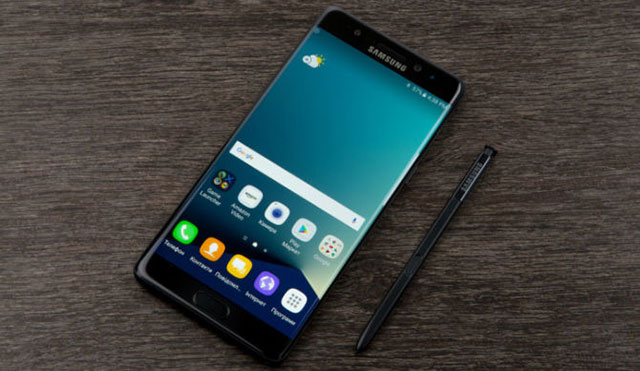 Samsung Galaxy Note 8
This caused Reuters to call 2013 Phablet's Year, in part because many companies announced the launch of the product line at the Consumer Electronics Show conference in Las Vegas. Besides Samsung, there are Lenovo, LG, HTC, Huawei, Sony and ZTE.
Apple did not say it would launch phablet but introduced the iPhone 6 Plus with a 5.5-inch screen, which was enough to list the phablet line. His reputation also made Apple continue to produce more bigger phones.
At the end of 2017, the phablet emerged after Samsung released Galaxy Note 8, a 6.3-inch screen with two rear cameras: a wide-angle camera and a telephoto camera.
- Don't ask if the tablet replaces the laptop.
- iPhone 6 Plus accounts for 41% of total phablets sold in the US.
- Apple may launch cheap tablets to increase sales.
FAQ
What is the main point of Phablet - Confess, Everyone Likes Big Phones?
Phablet is a combination of 'phone' and 'tablet', bringing out the best of these two worlds: the big screen of the tablet and the handy, compact phone. You can bring it in your coat pocket, purse or purse.
Why is Phablet - Confess, Everyone Likes Big Phones important?
Phablet - Confess, Everyone Likes Big Phones matters because it can affect how readers understand, choose, use, or respond to the subject discussed in the article.
What should readers verify about Phablet - Confess, Everyone Likes Big Phones?
Check the date, product or software version, compatibility, and any current guidance before acting, especially when technology, security, health, or pricing is involved.
Related Articles
 Tips and Tricks on How to Boost Your Likes6 minutes read
 Instructions to Hide Likes on Facebook on Phone and Computer5 minutes read
 How to Get More Likes on Instagram Photos: Practical Guide8 minutes read
 Facebook Wants to Remove Likes to Make Users Less Virtual?3 minutes read
 How to Hide Likes on Instagram3 minutes read
 10 Tried-and-True Methods for Quickly Increasing Your Instagram Likes7 minutes read
Reader Comments 0
Sign in with email or Google to join the discussion.