If you want to access your computer via your phone from anywhere, you can try a remote desktop app. So, Explore this app and what you can do with it.
What Is Chrome Remote Desktop?
Chrome Remote Desktop is a quick and easy way to access your PC using your Android device. Unlike most screen sharing and remote desktop control apps, Chrome Remote Desktop doesn't take much effort to set up. However, keep in mind that you can't control your PC with advanced tools like you can with a dedicated app.
You also need to have Chrome or the Remote Desktop app installed on both devices for it to work.
How to Set Up and Use Chrome Remote Desktop
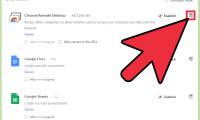
To get started, visit the Google Chrome Remote Desktop website and click the Download button. This will open a window to download the Chrome Remote Desktop extension; download and install it.

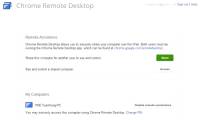
Once complete, return to the Chrome Remote Desktop website. The download icon will change to a button that says Turn on , so click that.
You will be asked to name your PC, so give it a descriptive name so you know which PC you will be accessing. By default, it will choose the name you gave your PC during setup, so if you can remember the name of each device, leave it as is.
You will also need to set up a PIN of at least 6 digits. This will prevent unwanted users from accessing your computer, so remember it.

If you want to access this PC from another PC, just repeat the above steps on the other computer. If you want to control your PC via your phone, download the Chrome Remote Desktop app for Android or iOS. No setup required on your mobile phone; just sign in.
When you want to access another PC, go to the Chrome Remote Desktop website on your PC or open the app on your phone. Click on the device you want to access (using the descriptive name you created earlier), then enter the PIN you set. You should now be able to access your device.
From here, you can navigate, click on items, and type using the app. When you're ready to leave, click the right arrow and select Disconnect on your PC, or click the three dots in the top right and select Disconnect on your phone.
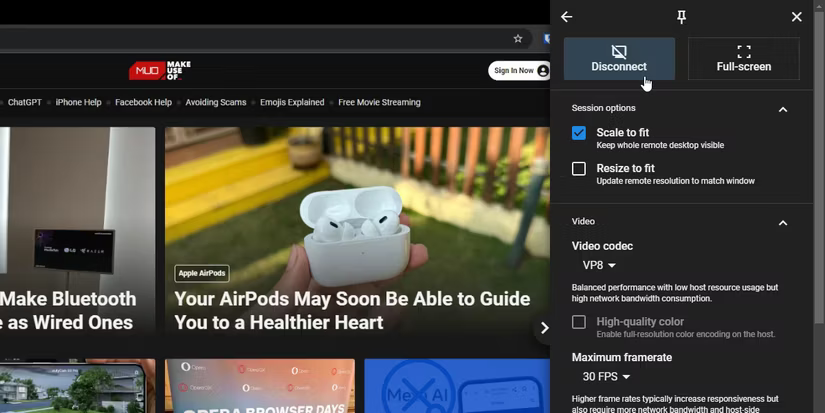
Once you've connected to a device, the target will display a pop-up window letting you know that someone is connecting to that device. This box has a Stop Sharing button on it, so you can also use that button if you accidentally leave a session running.
Now that you have Chrome Remote Desktop set up, you can put it to good use. Google's goal with this service is to make it easier for people to provide remote support, and it works very well for that purpose. Many people like to use their phone as a "remote control" for their PC.
Despite its simple name, Chrome Remote Desktop is more than just Chrome; you can access your entire PC with this tool. Whenever you're out and about and want to do something on your PC (like downloading a file before you get home), just whip out your phone and access it from anywhere. So even if you never intend to use it for support purposes, Chrome Remote Desktop is a great tool to have.

Reader Comments 0
Sign in with email or Google to join the discussion.