Table of Contents
Removing superglue depends on what it is stuck to. Start with the gentlest compatible method, test any remover in a hidden area, and stop if the surface softens, loses color, or develops a haze. A solvent that dissolves cyanoacrylate can also damage the object underneath.
Check that the spill is actually superglue, not epoxy, hot-melt glue, or another adhesive. Their removal methods differ. Read the adhesive and remover labels before using chemicals.
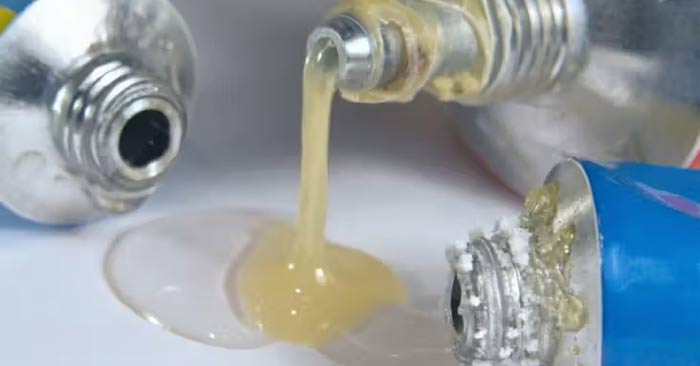
First: avoid turning a spill into an injury
Do not pull bonded skin apart or wipe liquid superglue with cotton or wool. Cyanoacrylate can react with these fibers and release enough heat to burn. Poison Control describes this risk in its cyanoacrylate safety guidance.
If glue affects the eyes, mouth, a large skin area, or causes pain or a burn, seek medical or poison-center advice promptly. Do not put acetone near the eyes or mouth or use tools to force tissue apart.
Skin: soak gently and be patient
For a small amount on intact skin, soak the area in warm soapy water and gently work at the loosened edge. Do not scrub vigorously or peel off skin. Oil or petroleum jelly can help loosen a dried bond, but it may take time.
Follow Poison Control’s superglue guidance if the fingers remain bonded or irritation develops. Avoid sanding skin or trying increasingly strong household chemicals.
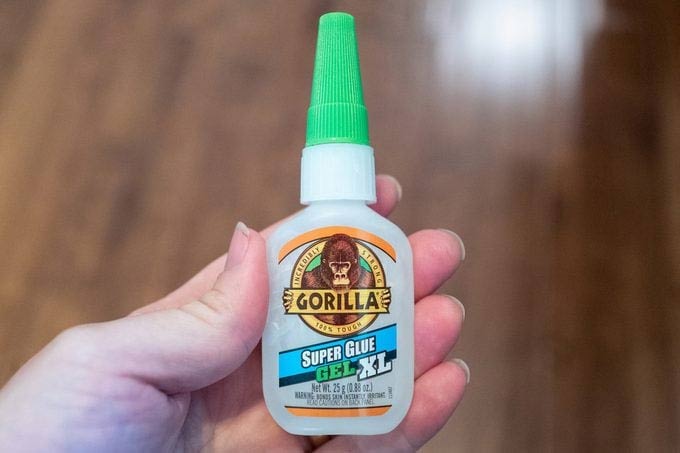
Glass: distinguish plain glass from coatings
On ordinary uncoated glass, a label-approved acetone-based remover may help soften cured glue. First check compatibility with tint, coatings, sealants, painted edges, and nearby plastic.
Apply a small amount with a suitable applicator specified by the product, allow the recommended contact time, and gently remove softened residue. Avoid metal blades or abrasive pads unless the glass manufacturer expressly permits them. Clean the surface afterward using its normal care instructions.
Plastic: do not assume acetone is safe
Acetone can cloud, soften, or dissolve some plastics. “Hard plastic” is not enough information to establish compatibility. Start with a damp compress if the item tolerates water, and try to lift only glue that has already loosened.
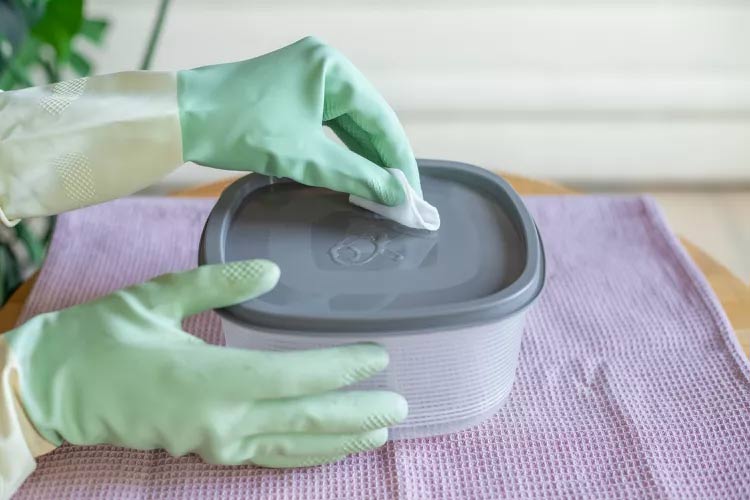
If that fails, ask the object or adhesive manufacturer for a remover compatible with the exact plastic. Do not use nitromethane or another strong solvent simply because a spill is large. Valuable or transparent plastic may be permanently damaged by experimentation.
Clothing and fabric: check both fiber and dye
For a fresh spill, avoid spreading it or creating a heat-producing reaction with absorbent fibers. Once safe to handle, check the care label and the adhesive maker’s instructions. Any solvent needs a hidden-area test; alcohol is not automatically safe for wool, polyester, dyes, or fabric finishes.
Acetone can damage some fibers, including acetate, and can remove color. Do not use it unless the material is confirmed compatible. Keep a stained garment away from dryer heat until you have assessed the residue. Use a professional cleaner for delicate or dry-clean-only items.
Upholstery, carpet, and leather: protect the finish
Check the cleaning code and manufacturer’s instructions before applying water, alcohol, or oil. Avoid soaking the padding or rubbing the glue deeper into fibers. Leather finishes can be damaged by vinegar or solvents, so those are not universal remedies.
For a visible or valuable item, professional cleaning may cost less than repairing a solvent stain.
Metal and finished wood: check the surface layer
Bare compatible metal may tolerate an acetone-based remover, while paint, lacquer, plating, or nearby adhesive joints may not. Finished wood can lose its finish or absorb oils. Test the finish, not just the underlying material.
Loctite’s removal guidance emphasizes surface-specific methods and testing. Use solvents with ventilation, away from flames and heat, and never mix removers. If the glue has become part of a damaged finish, complete removal without a visible mark may not be possible.



Reader Comments 0
Sign in with email or Google to join the discussion.