Table of Contents
This practical guide explains how to clean and maintain common electric fans with clear steps and useful context. It also covers common requirements, potential problems, and the details that can help you get better results.
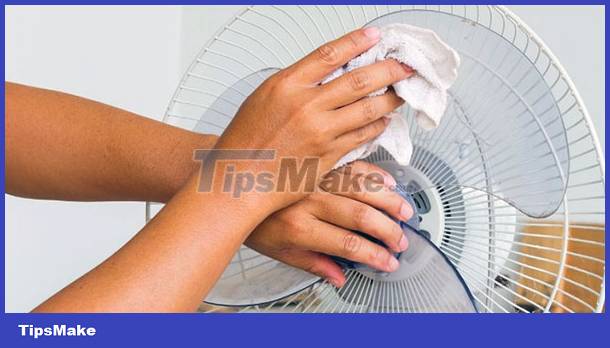 How to clean and maintain common electric fans
Conventional electric fans such as table fans, standing fans, wall fans. have the common feature that when used for a while, they often get dust in the fan cage and fan blades. When there is a lot of dust, the wind power of the fan will decrease, and every time the fan works, dirt may fly with the wind, now you need to clean the fan.
Here's How to Clean and Maintain Some Common Electric Fans That You Can Do Yourself at Home
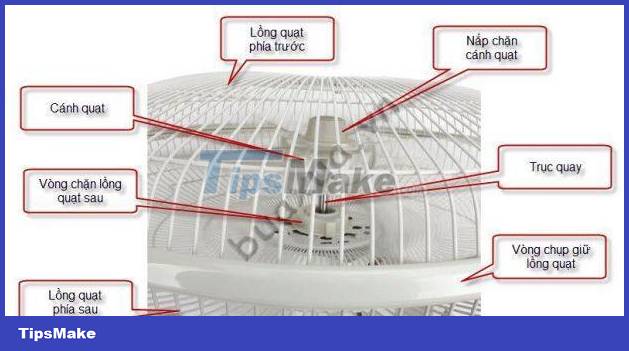 Fan parts
first
Remove the Front Fan Cage
Remove the front fan cage by removing the locks and brackets securing the fan cage. While disassembling, keep in mind how to reassemble.
2
Remove the Propeller
Remove the impeller by turning the impeller stopper clockwise and then removing the impeller from the shaft. Note that the impeller stopper and shaft are threaded against the usual bolts and nuts so that the stopper always tends to self-tighten as the propeller rotates.
3
Remove the Rear Fan Cage
Remove the rear fan cage by turning the plastic stopper counterclockwise.
4
Clean the Fan Cage and Impeller
Use a towel to wipe off dirt and dust on the fan blades and cage, if necessary, wash with water and detergent and then dry. Note during the cleaning process, do not let water drip onto the electronic components or the motor inside the fan to avoid causing a fire.
5
Maintenance of Motor Shafts
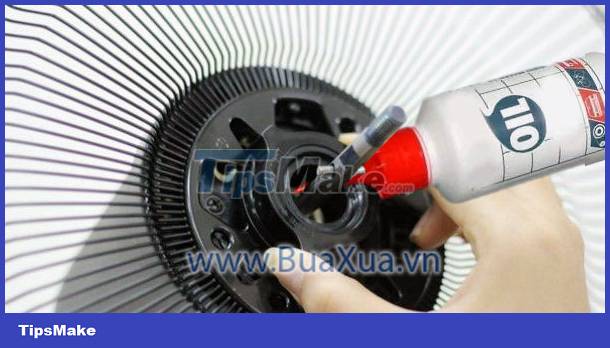 Apply lubricating oil or sewing machine oil to the fan's spindle
Before reinstalling the fan parts, turn the motor shaft by hand to see if it rotates smoothly. If the spindle is stiff, the fan will run slow and hot, now put a few drops of lubricant or sewing machine oil on the spindle right where it comes in contact with the bearing - a small brass tube. Double check to make sure the spindle is working properly.
You just put oil on the outside of the bearing and turn on the switch for the fan to run, the oil will be drawn inside the bearing.
6
Install the Rear Fan Cage
Replace the rear fan cage and rotate the plastic stopper clockwise to secure the fan cage.
Note that the fan handle is on the top and there are 2 or 3 small holes to position the fan cage.
7
Install Propeller
Mount the propeller to the motor shaft and turn the propeller stopper counterclockwise to secure the propeller.
Please note that the propeller and shaft have anti-rotation joints, you must install this joint correctly.
8
Install the Front Fan Cage
Finally, install the front fan cage, then install the bracket to hold the fan cage and lock it.
When installing the fan cage, you must pay attention to the position of the words, the brand of the fan must be above.
Conclusion
Understanding Fan makes it easier to compare options, avoid common mistakes, and apply the information in this guide more effectively. Review the relevant requirements before making changes or choosing a solution.
FAQ
How do you clean and maintain common electric fans?
Follow the steps in this guide in order, confirm the required settings or tools, and verify the result before making additional changes.
Is it safe to clean and maintain common electric fans?
It is generally safe when you follow the recommended instructions, use trusted tools, and avoid changing settings you do not understand.
What should you do if the process does not work?
Recheck the requirements, restart the device or application when appropriate, and review each step for missed settings or compatibility issues.
Related Articles
 Common Problems in Electric Fans and How to Fix Them Yourself8 minutes read
 Unexpected Impact When Using Fans in the Hot Season6 minutes read
 Proper Maintenance and Cleaning of Tree Fans6 minutes read
 Why Do Electric Fans Often Have 3 Wings? Interesting Questions8 minutes read
 Table Fans and Box Fans, Which Is the Smart Choice?8 minutes read
 Should I Buy a Good Electric Fan Sunhouse or Tiross?8 minutes read
Reader Comments 0
Sign in with email or Google to join the discussion.