Table of Contents
Imagine looking in the mirror and seeing a completely different version of humanity, with big round eyes, advanced technology built into the brain, and even the ability to regrow lost limbs. It may sound like science fiction, but this could be what our species will look like in a million years.

Thanks to rapidly advancing technology, space travel, and genetic engineering, the human body is poised to change in ways we can only begin to imagine. Here are predictions for how humans might evolve in the next million years, and the factors that could drive those changes.
Day One: A Glimpse into the Future
The following section will start with a model named Mindy. She represents what humans might look like in the year 3000. Mindy has a hunched back, claw-like fingers, and a smaller brain. The reason? Technology. Our overreliance on screens and mobile devices may be gradually changing our posture and the way we use our bodies.

But Mindy is just the beginning. Over the next million years, the human body could evolve in even more radical ways, especially if we start living off Earth.
5,000 Years Ago
If you compare a person today to a person five thousand years ago, they will look very similar. The person of the future may still look like the person of today, but subtle differences may appear, such as increased height, improved health, and possibly greater strength due to better nutrition and medical care.

What humans look like depends largely on where they live. If humans stay on Earth and continue to integrate with artificial intelligence, we may develop neural implants and improved physical features. But if we become a spacefaring civilization, humans on Mars or other planets may evolve completely differently.
For instance, Mars has lower gravity. Over generations, this could result in humans having longer limbs and reduced bone density. Humans living in space could also adapt to survive in high radiation environments.
25,000 Years Ago
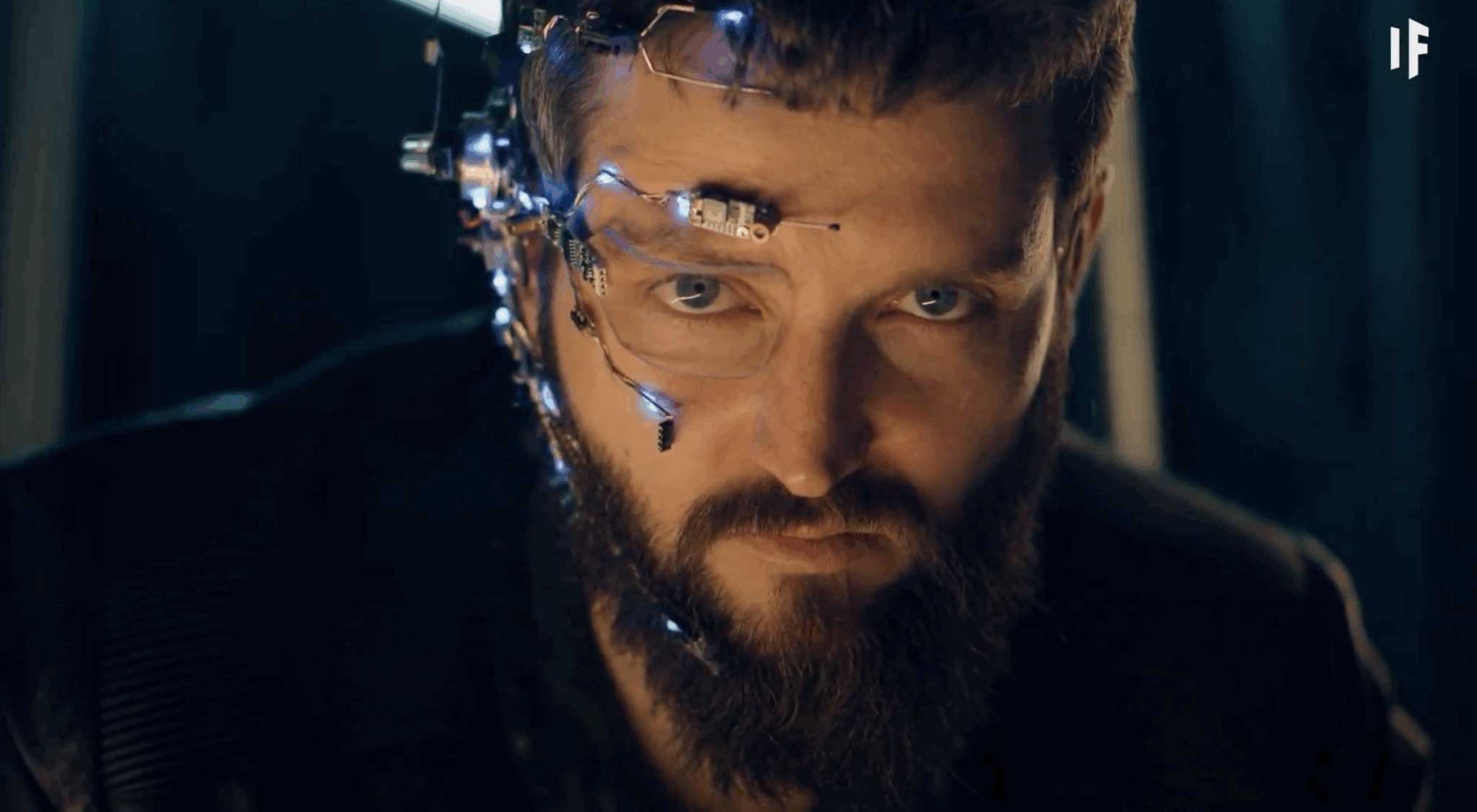
By now, choosing your child's appearance and function could become as familiar as choosing clothes. Through advanced genetic engineering, parents can customize traits like height, intelligence, disease resistance, and appearance. This concept, currently in its early stages, will be refined and become much more common in the future.
Humans may also begin to merge more closely with machines. Humans in the future may have robotic limbs, artificial organs, and brain implants connected to powerful artificial intelligence systems, truly becoming part of the machine.
100,000 Years In The Future
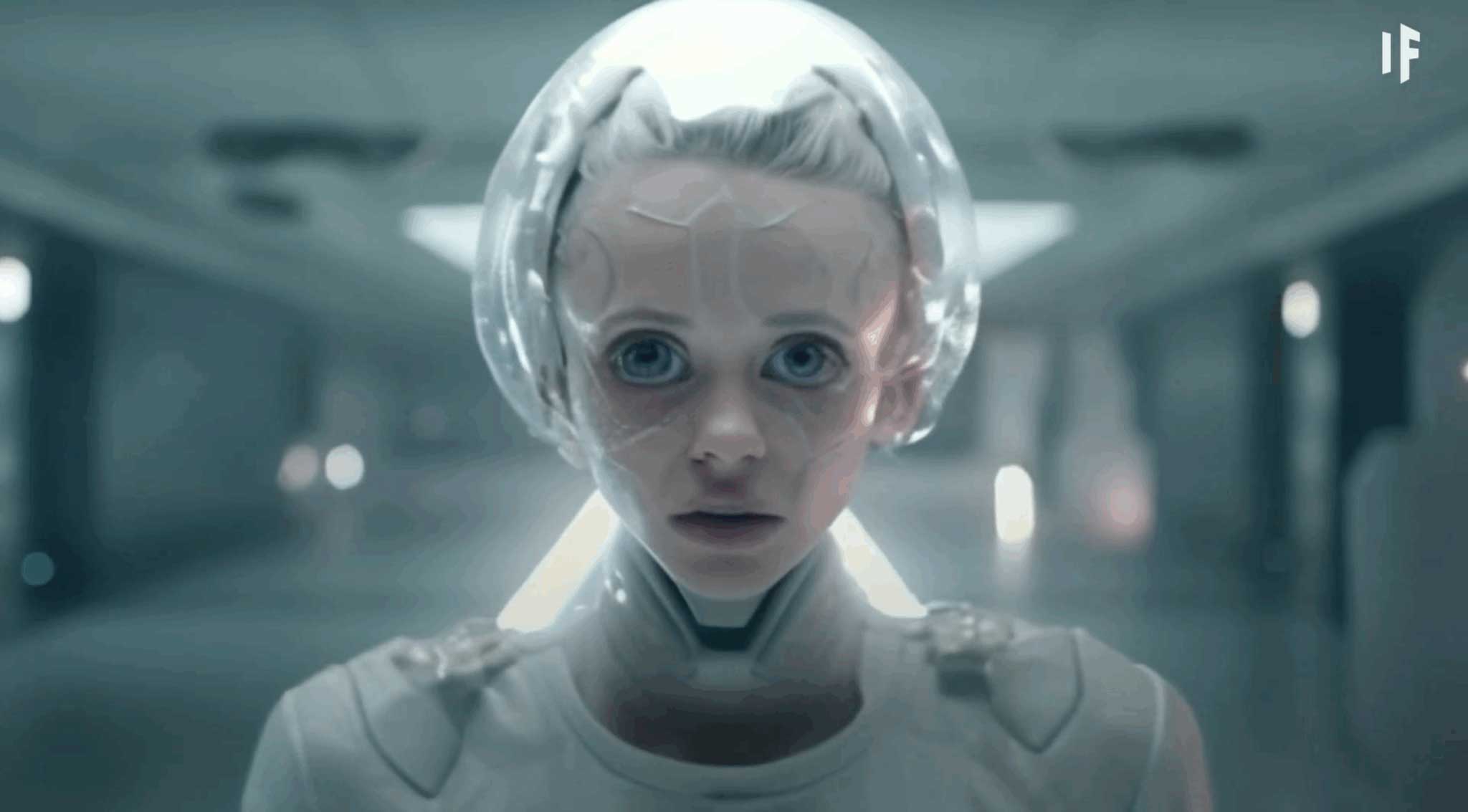
One of the most obvious signs of human evolution would be in our heads and faces. As we adapted to new environments, such as life in space, our eyes could grow much larger to help us see in low light. Our skulls could expand to accommodate our increasingly powerful brains.
On Mars, humans could grow taller due to the weaker gravity, but would also face constant exposure to radiation. Over time, some natural adaptations might occur, but we would likely need the help of evolution.
250,000 Years In The Future
At this point, humans may no longer have to wait for evolution to take place slowly over many generations. With complete control over genetic modification, we can edit DNA to adapt to new environments almost instantly.
For instance, people living on Mars could use gene editing to increase their resistance to radiation. Others could engineer themselves to have increased intelligence, immunity to disease, or even new physical abilities like enhanced strength.
500,000 years in the future
Genetic science will advance to the point where humans can start experimenting with animal DNA. Imagine growing back a lost arm like a lizard, or creating a new organ if the old one is damaged. These science-based superpowers could become commonplace.
Appearance will also be completely customizable through genetic engineering. While these changes may seem extreme, they could be necessary for survival on different planets or in harsh environments.
1,000,000 years in the future
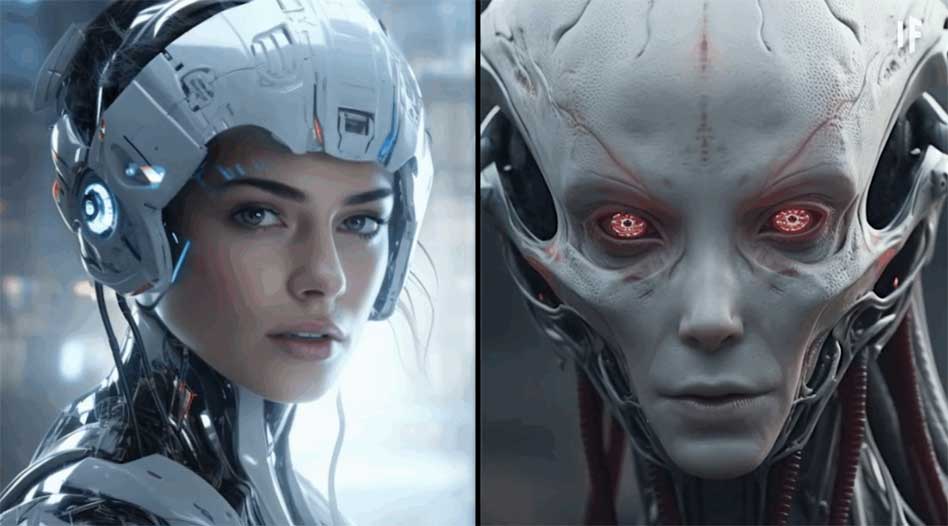
By now, Earth and Mars will be home to very different human races. Those remaining on Earth will have evolved to advanced technology, genetic enhancement, and a changing climate. Meanwhile, Martians will have different appearances and functions due to the unique requirements of their habitat.
Just as Neanderthals and Homo sapiens once coexisted on Earth, we can see many distinct human species, each adapted to its own world.
Despite their differences, future humans will likely be the most advanced species ever known. Smarter, more adaptable, and able to live longer, even indefinitely, they will be ready to face any challenge the universe presents.
Final Thoughts
The key takeaway is that How Will Humans Evolve in the Next 1 Million Years is easier to evaluate when its benefits, limitations, and real-world use are considered together. Review the details above before applying the information to a specific situation.
FAQ
What is the main point of How Will Humans Evolve in the Next 1 Million Years?
Imagine looking in the mirror and seeing a completely different version of humanity, with big round eyes, advanced technology built into the brain, and even the ability to regrow lost limbs.
What should you know about Day One: A Glimpse into the Future?
The following section will start with a model named Mindy. She represents what humans might look like in the year 3000. Mindy has a hunched back, claw-like fingers, and a smaller brain. The reason? Technology.
What limitations should readers keep in mind?
The answer can depend on the product version, source, use case, and date of publication. Review the article's context and confirm time-sensitive details before applying the information.
Related Articles
 Suddenly Discovered a Completely New Species in the Dung7 minutes read
 Pokémon GO - Trick to Evolve Eevee into Any Kind of Pokémon5 minutes read
 A Terrifying Object That Made Life on Earth Evolve by Leaps and Bounds?5 minutes read
 Tooth Turtles Can Last More Than 100 Million Years Ago4 minutes read
 Scientists Witness the 'Resurrection' of a Monstrous Black Hole After 100 Million Years5 minutes read
 Scientists Witness the 'Resurrection' of a Monstrous Black Hole After 100 Million Years4 minutes read
Reader Comments 0
Sign in with email or Google to join the discussion.