Table of Contents
The animals that cause the most human deaths are usually not large predators. Mosquitoes transmit malaria, dengue, and other infections; venomous snakes cause fatal envenoming; dogs transmit most human rabies; and small hosts or vectors spread neglected tropical diseases. Sharks, wolves, and lions attract attention, but their direct attacks are far less common.
Why animal death rankings are difficult
Some lists count only direct attacks, while others attribute every death from a pathogen to the animal that transmits it. Estimates also differ by year, country, reporting quality, and access to medical care. A comparison should therefore separate direct trauma, venom, and vector-borne or parasitic disease.
Mosquitoes: the largest documented disease burden
Mosquitoes are dangerous because they transmit pathogens, not because of the bite itself. The World Health Organization estimated 610,000 malaria deaths in 2024. Mosquitoes also spread dengue, yellow fever, Japanese encephalitis, West Nile virus, chikungunya, Zika, and lymphatic filariasis.

Risk varies sharply by region. In malaria areas, insecticide-treated nets, indoor spraying, preventive medicines for eligible travelers or populations, vaccination where recommended, diagnosis, and prompt treatment reduce harm. Use local public-health guidance rather than a global ranking to judge personal risk.
Venomous snakes
WHO estimates that millions of people are bitten by snakes each year and that tens of thousands die from envenoming, with many more sustaining amputations or permanent disability. Rural agricultural communities in Africa and South-East Asia carry much of the burden.
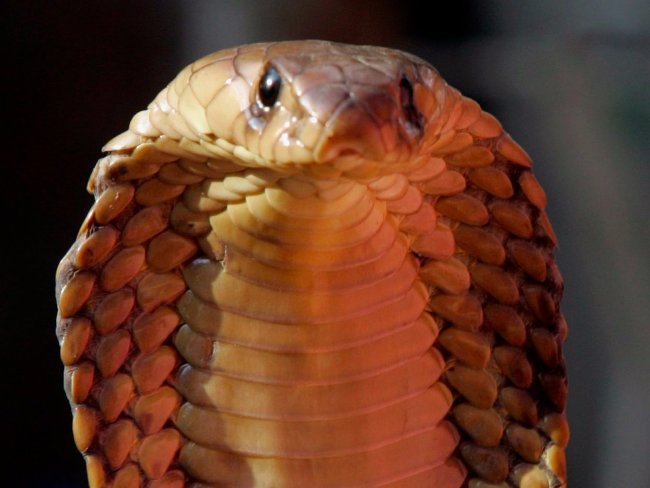
After a suspected venomous bite, keep the person still, immobilize the affected limb, and obtain emergency medical care. Do not cut the wound, suck out venom, apply ice, or use a tight tourniquet.
Dogs and rabies
Dog bites cause many injuries, but the main global fatal risk is rabies. WHO estimates roughly 59,000 rabies deaths annually, with rabid dogs responsible for most human cases. Rabies is preventable when exposure is treated before symptoms begin.

Wash a bite or scratch thoroughly with soap and running water and seek urgent medical advice about rabies vaccine, immunoglobulin, wound care, and tetanus. Do not wait for symptoms.
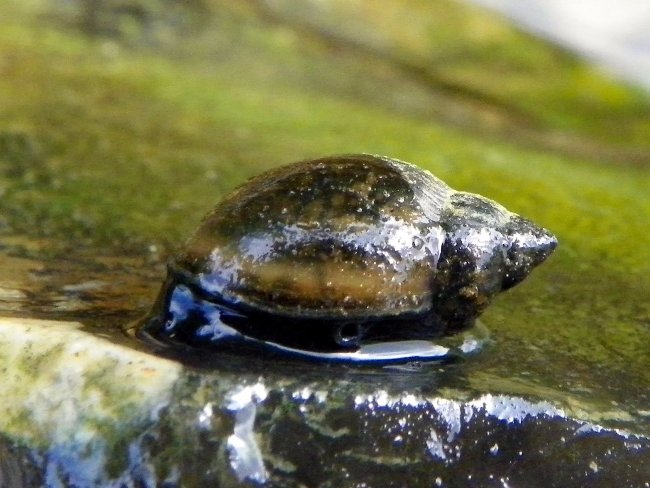
Freshwater snails and schistosomiasis
Certain freshwater snails are intermediate hosts for parasitic worms that cause schistosomiasis. People become infected when larval forms penetrate skin during contact with contaminated freshwater. WHO currently estimates about 14,353 deaths per year, while noting that hidden complications make the number difficult to measure and likely underestimated.
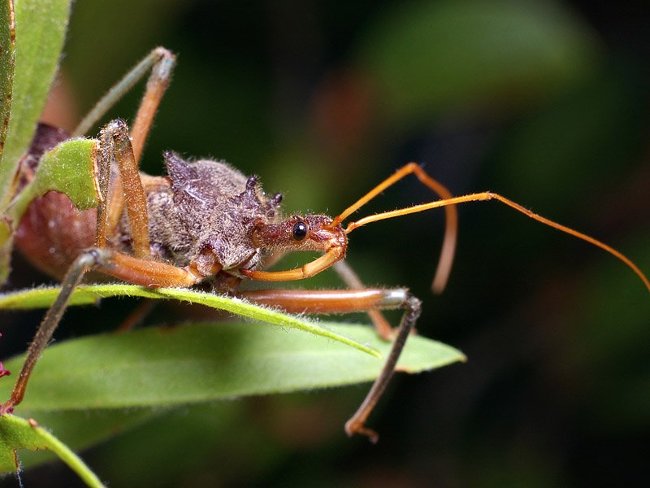
Kissing bugs and Chagas disease
Triatomine insects, often called kissing or assassin bugs, can transmit Trypanosoma cruzi, which causes Chagas disease. WHO estimates around 7 million infections and approximately 10,000 deaths each year. Transmission can also occur congenitally, through contaminated food, blood or organ donation, and laboratory exposure.
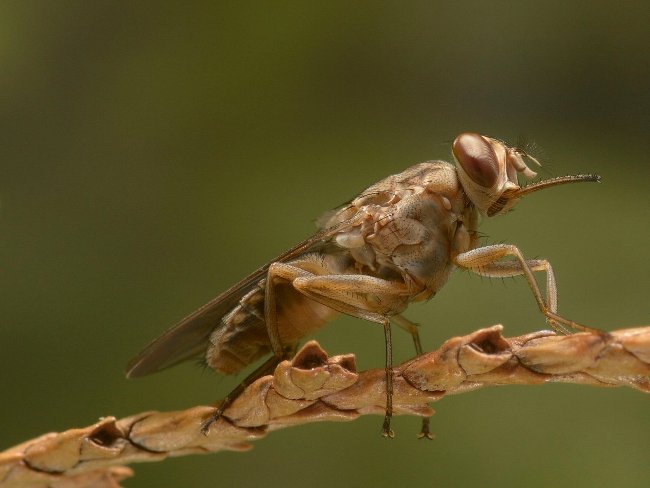
Tsetse flies and sleeping sickness
Tsetse flies transmit human African trypanosomiasis, or sleeping sickness. Control and surveillance have reduced reported cases dramatically, so old lists that assign a fixed 10,000 annual deaths are outdated. The disease remains serious where transmission persists and requires diagnosis and treatment.
Intestinal worms and tapeworm larvae
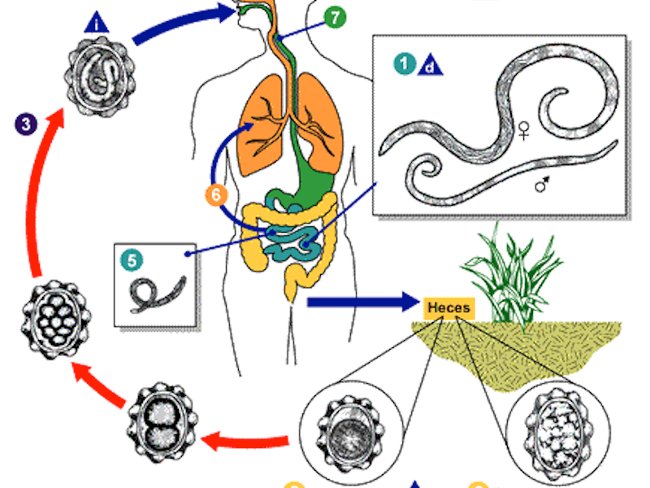
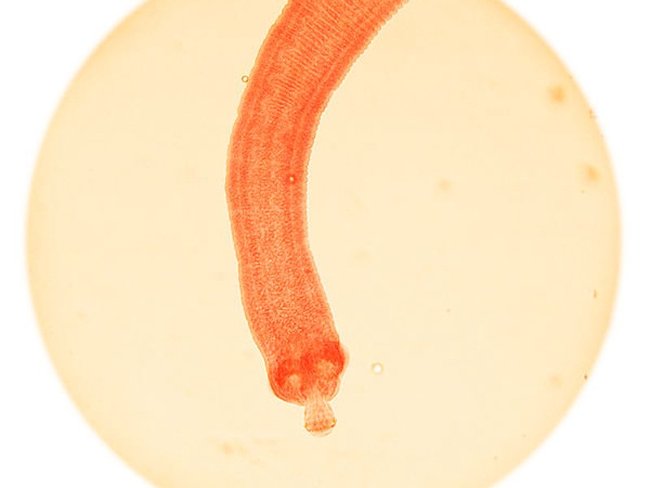
Roundworms such as Ascaris lumbricoides spread when people ingest eggs from fecally contaminated soil, food, or water. Heavy infection can obstruct the intestine or bile ducts. Tapeworm larvae can cause cysticercosis, including neurocysticercosis when cysts affect the nervous system. These are different diseases and should not be counted twice under vague “worm” headings.
Crocodiles, hippos, and elephants
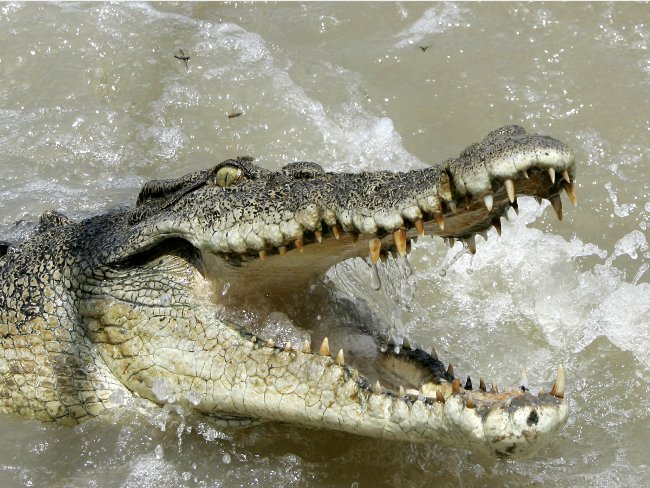
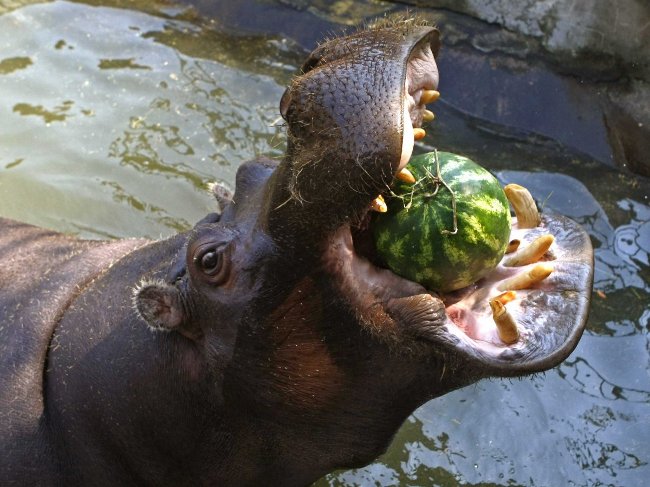
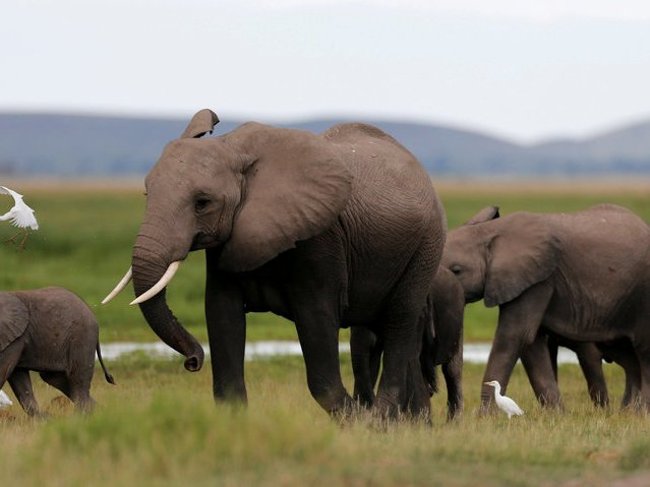
Large animals can cause severe trauma where people share waterways, farms, or migration routes with them. Crocodile attacks are underreported in remote areas; hippos can defend water or territory; and elephants can charge when threatened or during human-wildlife conflict. Global annual totals are uncertain, so precise figures repeated without a current surveillance source should be treated cautiously.
Lions, wolves, and sharks
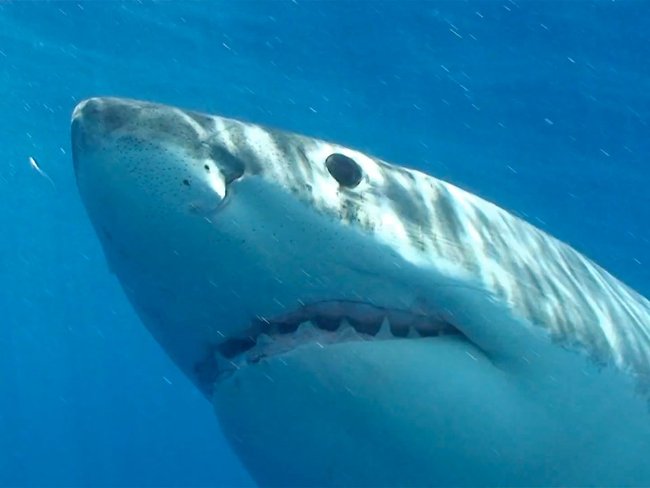
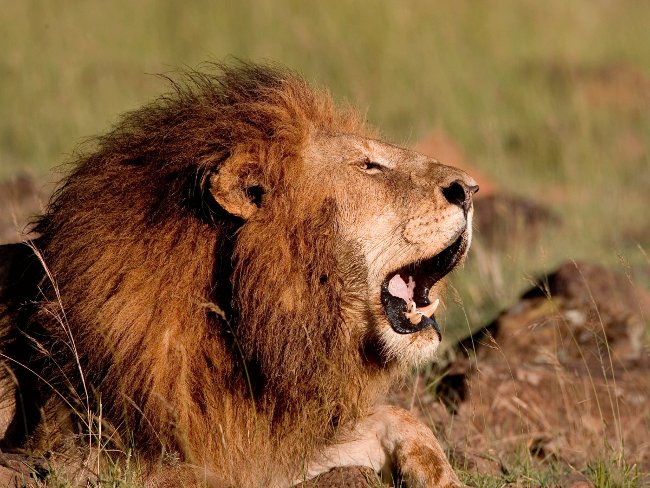
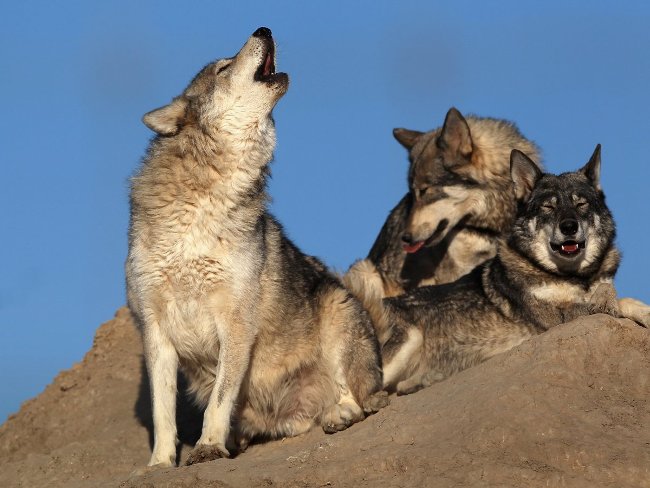
Fatal encounters with these predators are rare compared with mosquito-borne disease, snakebite, or rabies. Local risk still matters: people who swim in shark habitat, herd livestock near wolves, or live near lion range need species-specific precautions.
Humans do not belong in the same comparison
Some viral lists rank homicide deaths alongside animal attacks. Humans are animals biologically, but violence statistics measure a social and criminal-justice problem, not wildlife or zoonotic risk. Combining them obscures rather than clarifies prevention.

What reduces risk
- Use mosquito protection and destination-specific travel health advice.
- Seek urgent care after a snakebite or possible rabies exposure.
- Avoid swimming or wading in schistosomiasis transmission areas.
- Follow local wildlife guidance and keep a safe distance from large animals.
- Improve sanitation, veterinary vaccination, vector control, and access to treatment.
For current estimates, see WHO information on malaria, animal bites, and schistosomiasis.
Related Articles
 15 Animals Are Most Dangerous to Humans: Animals That Cause Death8 minutes read
 Why Are Humans the Most Violent Primates6 minutes read
 Goats and Sheep: Complete Guide7 minutes read
 Humans Transmit More Viruses to Animals Than They Transmit to Humans Explained4 minutes read
 'Die Laughing' with Indifferent 'Drunken' Images Identical to3 minutes read
 How Do Animals See the World Far Beyond Humans?6 minutes read
Reader Comments 0
Sign in with email or Google to join the discussion.