Table of Contents
This updated guide examines How Has the Ranking of Popular Mobile Web Browsers Changed in and organizes the essential facts, background, and practical takeaways in clear American English.
In 2010, Opera was the most popular browser, accounting for 27.78% of the market share. Following are Nokia Browser, Mobile Safari, BlackBerry Browser, Android Browser, UC Browser and IEMobile, respectively.
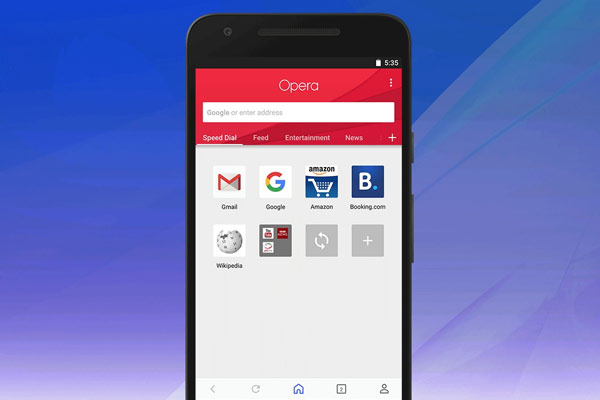
By 2011, the Mobile version of Safari had a breakthrough, surpassing Opera to become the most popular browser with a 23.76% market share. In 2011, the browser on the Android operating system also attracted more users to help it beat Nokia's browser.
Nearly a year later, Android Browser has surpassed Safari Mobile to take the lead. Nokia Browser and BlackBerry Browser have dropped sharply.
In January 2013, Google Chrome first appeared in the race to rank the most popular mobile web browsers. With a rapid growth rate, Chrome has taken the leading position with 24% market share, only after 18 months of launch. UC Browser is also growing steadily and gaining second place, after Chrrome in 2015.

In mid-2016, Safari Mobile has risen sharply, regaining second place. 2016 marked the arrival of Samsung Internet browser in 4th place.
By September 2019, Chrom continued to hold the top position with 61.13% market share, Safari Mobile accounted for 20.17% ranked second, the remaining positions were Samsung Internet with 6, 69%, UC Browser (6.31%), Opera Mobile, Android Mobile and KaiOS Browser.
- How did Apple storm sweep and occupy the number 1 position in the list of the 15 most valuable brands on the planet?
FAQ
What is How Has the Ranking of Popular Mobile Web Browsers Changed in about?
It provides a structured overview of The most popular mobile web browser, explains the main context, and highlights practical takeaways for readers.
Why does this topic matter?
Understanding the main concepts helps readers evaluate the issue, avoid common mistakes, and make better-informed decisions.
How should readers use this information?
Use the guidance as a practical starting point, confirm details that may have changed, and follow current product, safety, or security recommendations.
Related Articles
 How Does the Ranking of the Most Popular Websites over the Past 23 minutes read
 Top 10 Most Popular Browsers, Google Chrome Tops, Second I.e3 minutes read
 Call of Duty Mobile Officially Became the Most Popular Mobile2 minutes read
 Top 10 Most Popular Web Browsers Today: Main Insights12 minutes read
 10 Best Ranking of the Most Famous Mobile Phone Companies in the World 20208 minutes read
 7 Things to Pay Attention to When Implementing SEO on Mobile7 minutes read
Reader Comments 0
Sign in with email or Google to join the discussion.