Table of Contents
This updated guide examines Discovered a Vietnamese Student Posting 42 Android Apps and organizes the essential facts, background, and practical takeaways in clear American English.
Responsible-use note: Apply security techniques only to systems you own or are explicitly authorized to test.
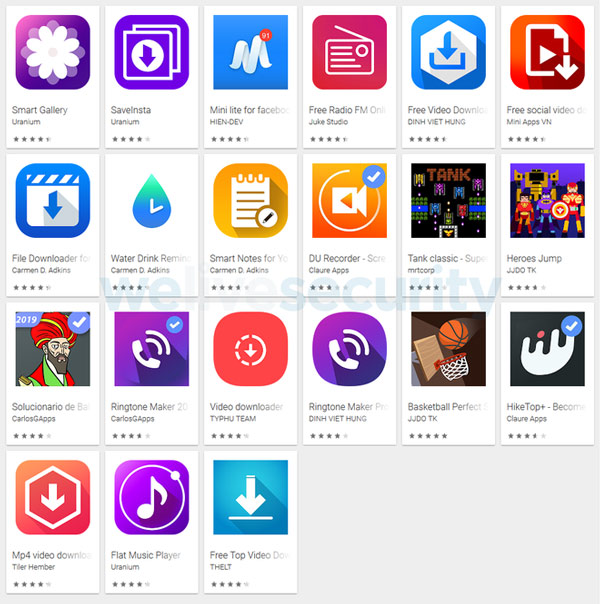
According to ESET, in the first versions, not all applications contained this malicious code. Therefore, this person did not hide his identity in those applications. This shows that it is possible from the beginning that this student intends to validate the applications business. However, that plan has changed and this person started injecting adware malicious code through application updates. However, the identity of the developer remains the same.
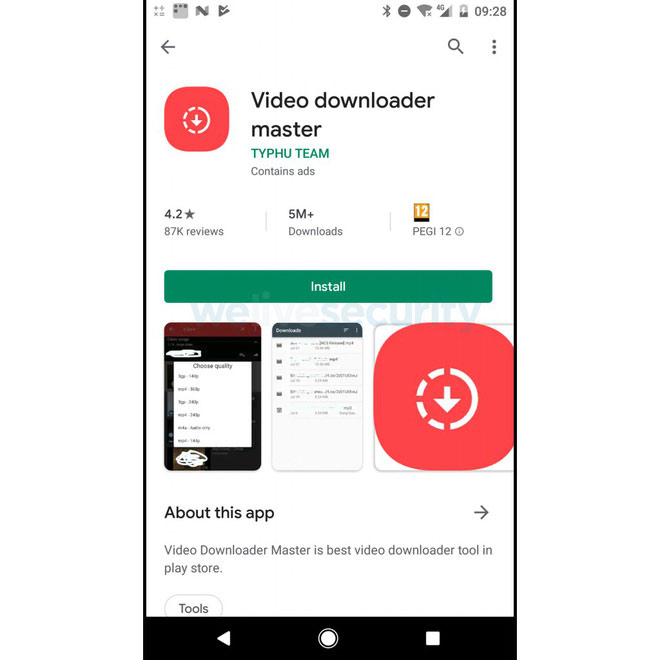
After infiltrating the app via updates, the Ashas adware malware works by displaying ads on full screen and even overlaying on other apps.
To avoid being detected, Vietnamese students carefully disguise the origin of these ads by imitating the logos of other applications such as Facebook and Google and showing them only after more than 24 minutes of user interaction. with an infected application.
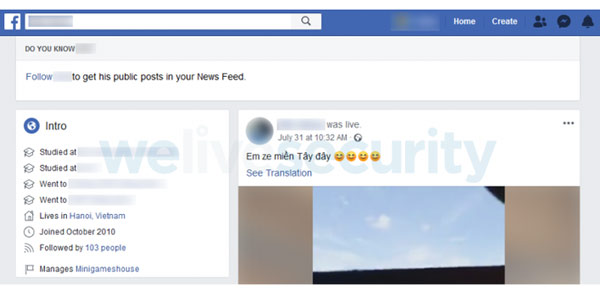
ESET traced the student's personal accounts on GitHub, YouTube, and Faceboook from the email address he used to register domain names for adware.
For details on how ESET traces the author of this adware application, you can see it in the link below.
https://www.welivesecurity.com/2019/10/24/tracking-down-developer-android-adware/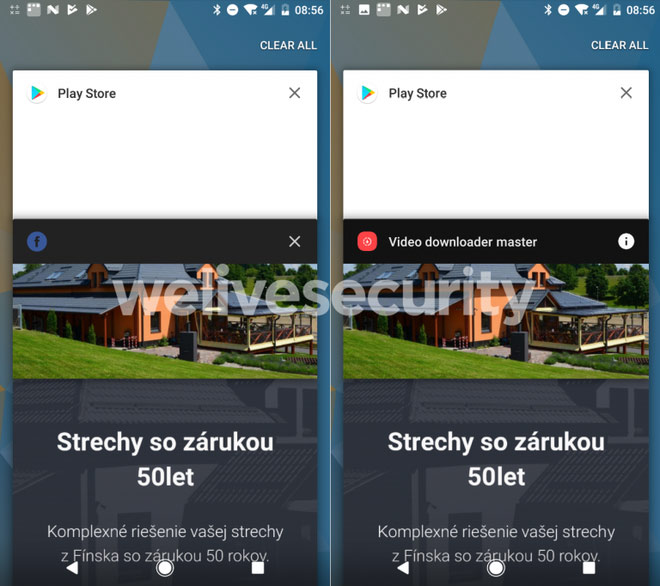
Today, applications containing this student's ad malware have been removed from the Google Play Store after ESET notified them to the Google security team. Even so, these apps still exist on third party app stores.
- Victims hacked hackers' servers when they were caught paying ransom, rescuing thousands of other victims
- New malware using web application has turned into a source of attack, very difficult to detect
FAQ
What is Discovered a Vietnamese Student Posting 42 Android Apps about?
It provides a structured overview of applications containing advertising malware, explains the main context, and highlights practical takeaways for readers.
Why does this topic matter?
Understanding the main concepts helps readers evaluate the issue, avoid common mistakes, and make better-informed decisions.
How should readers use this information?
Use the guidance as a practical starting point, confirm details that may have changed, and follow current product, safety, or security recommendations.
Related Articles
 Discovering Many Applications Containing Malware on Google Play Store, Android Users Should Worry5 minutes read
 Google Declined to Add 55% of the New Android Application to Play Store in 2018, but That's Not7 minutes read
 7 Best Android Apps Are Not Available on Google Play Store7 minutes read
 How to Identify and Avoid Fake Android Apps in Play Store13 minutes read
 Why Was the App Removed from the Google Play Store?7 minutes read
 Sockbot Malware Was Discovered in Applications on Google Play Store3 minutes read
Reader Comments 0
Sign in with email or Google to join the discussion.