Table of Contents
A report from XiaomiTime suggested that major Chinese smartphone manufacturers, including Xiaomi, Oppo, Vivo, and OnePlus, were discussing ways to reduce their dependence on Google services. The idea reflects a broader effort to limit supply-chain and policy risks while strengthening domestic software ecosystems.
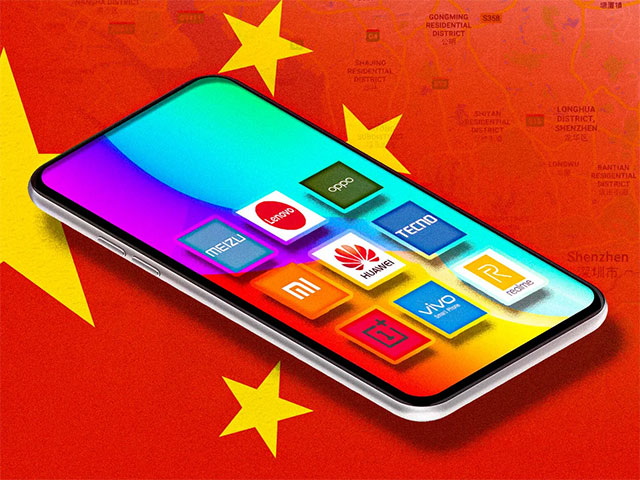
Why Chinese Smartphone Brands May Seek More Independence
Most Android phones sold internationally rely on Google Mobile Services for apps, account features, maps, notifications, payments, and other core functions. That dependence creates commercial and regulatory exposure when trade restrictions or licensing rules change.
Huawei's experience after U.S. restrictions in 2019 demonstrated how quickly a manufacturer can lose access to key Google services. Huawei responded by expanding HarmonyOS and its own application ecosystem, giving other manufacturers a practical example of how an alternative platform might be developed.
Could HyperOS Become Part of a Google-Free Strategy?
The report identified Xiaomi and a future HyperOS version as a possible starting point. HyperOS already connects Xiaomi phones, smart-home products, wearables, and other devices. A more independent edition could deepen that integration while replacing selected Google components with local services.
Such a transition would be complex. An operating system needs more than a user interface: it requires developer tools, an app store, cloud services, security updates, payment systems, location services, advertising support, and a reliable way to deliver notifications.
The Biggest Challenges
- App compatibility: Users expect popular banking, messaging, entertainment, productivity, and gaming apps to work immediately.
- Developer support: Developers need clear tools, documentation, testing, and financial incentives.
- International markets: Buyers outside China often depend heavily on Google apps and services.
- Brand cooperation: Competing manufacturers would need shared standards without losing control of their own products.
- Consumer trust: Privacy, security, updates, and data portability would need to be explained clearly.
What a Shared Ecosystem Could Mean
A shared platform could give Chinese manufacturers greater control over software, services, and connected-device experiences. It could also create a larger addressable market for developers than separate brand-specific systems. However, fragmentation remains a risk if each company builds incompatible services or app requirements.
The report should be viewed as an indication of industry discussion rather than confirmation of a completed alliance or launch plan. Any move toward a Google-free Android ecosystem would likely happen in stages and could differ significantly between China and international markets.
FAQ
What is the main takeaway about Chinese Smartphone Brands Consider a Google-Free Android Future?
The key is to understand the core idea, compare the available options, and apply the practical guidance that matches your situation.
What should beginners know about Chinese Smartphone Brands Consider a Google-Free Android Future?
Start with the essential steps and terminology. Avoid changing advanced settings until you understand how they affect performance, privacy, cost, or compatibility.
How can I use this information in practice?
Follow the relevant section in order, test one change at a time, and confirm the result before moving to the next step or recommendation.
Related Articles
 ColorOS 7: New Features and Improvements for OPPO Phones3 minutes read
 Google Is the Reason Why Android Smartphones Are Sold Expensive4 minutes read
 How to Download and Play Thuc Son Ky Hiep Mobile on Computers and Laptops5 minutes read
 Apple Rơi Xuống Hạng Ba Tại Trung Quốc: Main Insights4 minutes read
 Google App Error Makes Android Users Unable to Receive or3 minutes read
 Hello General: Suggestions for Building a Thuc Quoc Squad: Key Facts6 minutes read
Reader Comments 0
Sign in with email or Google to join the discussion.