Table of Contents
Explore do air purifiers really work as advertised, including the key concepts, practical examples, important considerations, and useful guidance.
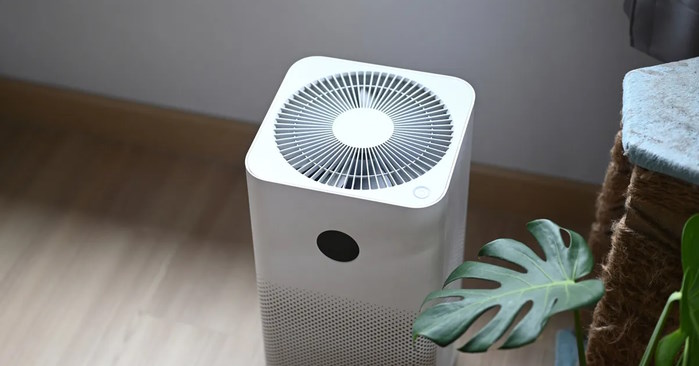
As we learn to live with more extreme weather events and increased awareness of viruses spreading in our environments, air purifiers are a popular choice for those concerned about air quality in their homes, schools, and workplaces.
If you or a family member suffers from allergies, asthma, or other sensitivities, you may also be looking for ways to reduce irritants like smoke, pollen, and dust in the air you breathe.
Air purifiers are touted as an easy way to improve air quality and reduce pollution, and there are many brands, sizes, and types available at a wide range of prices. But do they really work or are they just a useless fad?
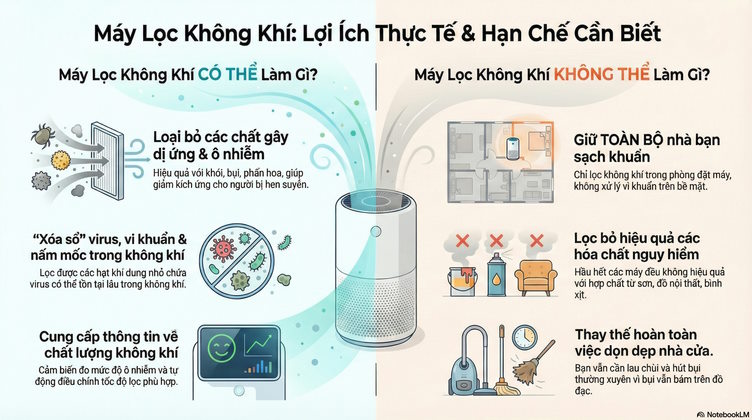
Effects of air purifiers
Helps remove common household allergens and pollutants
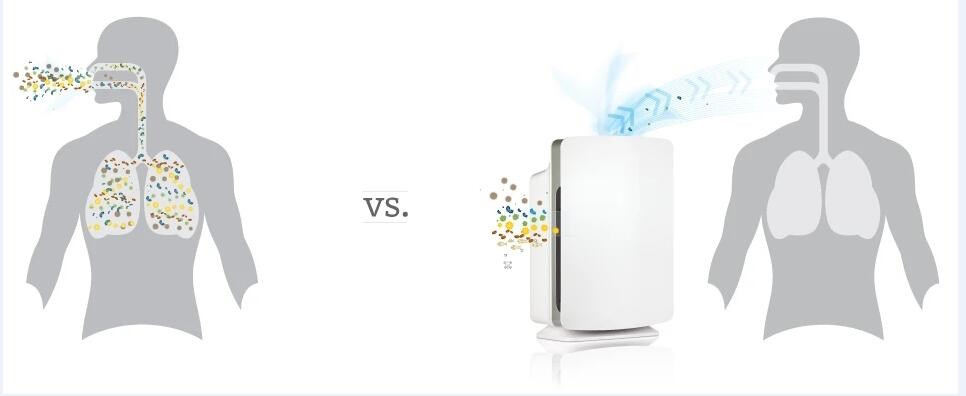
Smoke and particulate air pollution are not just annoying; they are also a recognized health hazard, especially for people with asthma and underlying medical conditions. Air purifiers can remove these agents.
Helps "eliminate" viruses, bacteria and mold spores from the air
Viruses like COVID-19 are often transmitted through small aerosols that are released when an infected person breathes, coughs, or sneezes. These tiny droplets can linger in the air for a long time—up to an hour or more. Under the right conditions, a good air purifier can remove most of these particles from the air in a room.
In addition to following health recommendations like frequent hand washing, an air purifier is worth considering as an added protection against airborne viruses if you live in a high-traffic area, or if it's difficult to keep your home well-ventilated.
Tells you about indoor air quality
Most air purifiers have sensors to determine the level of pollution in the surrounding air, along with other measurements such as indoor air temperature and humidity.
Typically, they'll display this information on the device or (for Wi-Fi-connected models) in a linked app, either as a detailed particle count or a simple color indicator (such as green being good, to amber and red as pollution levels increase).
Observing the amount of dust or smoke in your home, as well as the activities that increase pollution, can be interesting and helpful, especially if you are sensitive to these irritants.
To leave the air purifier running in auto mode, it will automatically adjust the speed to suit the pollution level.
What can't an air purifier do?
Keep your home germ-free
While an air purifier is very good at filtering out bacteria, it can only filter the air in the room where it is placed. Air in other areas of the home may not be treated. And any virus-carrying droplets that land on surfaces will not pass through the air purifier.
So it's important to still maintain normal hygiene practices: washing your hands, cleaning hard surfaces, and of course trying to avoid bringing germs into your home in the first place.
Ideally, room air should be replaced with fresh air several times an hour to prevent the buildup of carbon dioxide, odors, moisture, and other pollutants.
The simplest way to do this in most cases is natural ventilation: open doors and windows to let in the breeze.
When that's not possible, such as in small rooms with poor ventilation, or when the outdoor air is too hot or too cold, or too smoky, an air purifier will definitely help.
However, in the long term, this is unlikely to achieve the same level of air change, and it also cannot change factors such as carbon dioxide concentrations.
If the house is frequently closed, or if the house is completely sealed with no air gaps between windows and doors, a mechanical ventilation system may be the solution. This system often includes air filters to ensure that the incoming air is free of dust and other harmful substances.
Filter out dangerous chemicals
These compounds are often released into the air from paints, furniture, aerosol sprays, cleaning products, etc. They include a variety of chemicals that can cause respiratory and skin irritation, headaches, and more serious problems. Common contaminants include formaldehyde, ammonia, benzene, and acetone.
While some air purifiers are specifically designed to remove dangerous chemicals, most are not very effective, and some are pretty useless at the task.
You still need to clean the house
No matter how good an air purifier is at filtering out dust, there will always be dust on your furniture and floors. Dusting, vacuuming, and mopping are still necessary chores.
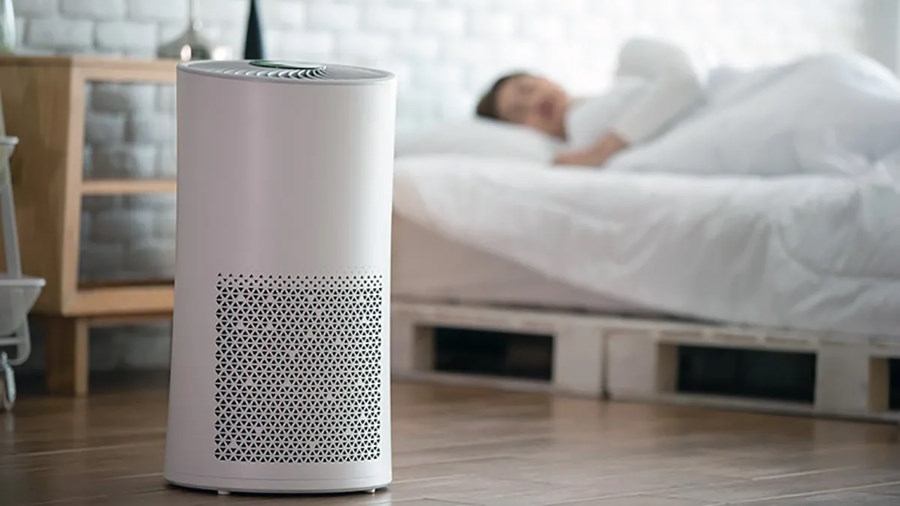
So, should you buy an air purifier to reduce indoor pollution?
Whether or not you should buy an air purifier and how much you should spend depends on factors such as what you intend to use the machine for and the effectiveness of the product you buy.
Start your search for an air purifier by clearly defining your home's intended use. Determine the size of the space you need to clean and the type of pollutants you're targeting. Then, compare your expectations with the specifications of the appropriate air purifier.
Here's what you should keep in mind before buying an air purifier:
- Designed to fit the room size
- Targeting indoor pollutants
- Has a high CADR ratio
- Has a HEPA filter rated at least MERV 13
Final Thoughts
Understanding do air purifiers really work as advertised makes it easier to evaluate the information and apply the most relevant recommendations. Focus on the key points above and verify details that may change over time.
FAQ
What is do air purifiers really work as advertised?
Explore do air purifiers really work as advertised, including the key concepts, practical examples, important considerations, and useful guidance.
What key points does this article cover?
The article focuses on Effects of air purifiers, Helps remove common household allergens and pollutants, Helps "eliminate" viruses, bacteria and mold spores from the air, with practical explanations and examples.
How can you use this information in practice?
Use the explanations to compare options, verify important details, and make a more informed decision. Apply the recommendations that best match your goals and situation.
Related Articles
 What Is Air Purifier? What Is the Structure and Mechanism of14 minutes read
 Actual Evaluation of Hitachi Ep-a5000 Air Purifier14 minutes read
 Help You Choise Best Air Purifiers for Your Home9 minutes read
 5 Reasons You Need Indoor Air Purifiers5 minutes read
 Share the Address to Buy Reputable Air Purifiers, Good Prices in10 minutes read
 4 Basic Notes for Using Water Purifiers More Efficiently9 minutes read
Reader Comments 0
Sign in with email or Google to join the discussion.