Table of Contents
Google's Pixel 10 series is here and one of the big highlights is the latest feature added to the Pixel series - Pixelsnap.
Google 's Pixel 10 series is here, and one of the biggest highlights is the latest addition to the Pixel lineup - Pixelsnap. This feature brings Qi2 wireless charging to Pixel devices, allowing for faster charging and magnetic alignment.
Until now, you could use a sticker to add magnetic charging to a Pixel or any other Android phone. But that approach came with problems you no longer have to worry about. What seemed like a simple MagSafe port for Android is a better experience than you might think.
Android finally has its own MagSafe moment
The one feature I wish Android had borrowed from the iPhone was MagSafe. Apple's magnetic charger is fantastic and makes for a pleasant experience whether you're charging your MacBook or your iPhone or AirPods. For someone who's all about wireless and hates wires, I'll love the reliability of wireless charging.
You can find two reasons why MagSafe is more than just a magnet built into your iPhone. First, it ensures your phone (or AirPods case) aligns with the wireless charging coils in the charger for maximum efficiency and minimal heat. Second, it opens up a whole new range of accessories for your iPhone, including but not limited to holders, wallets, kickstands, and more.
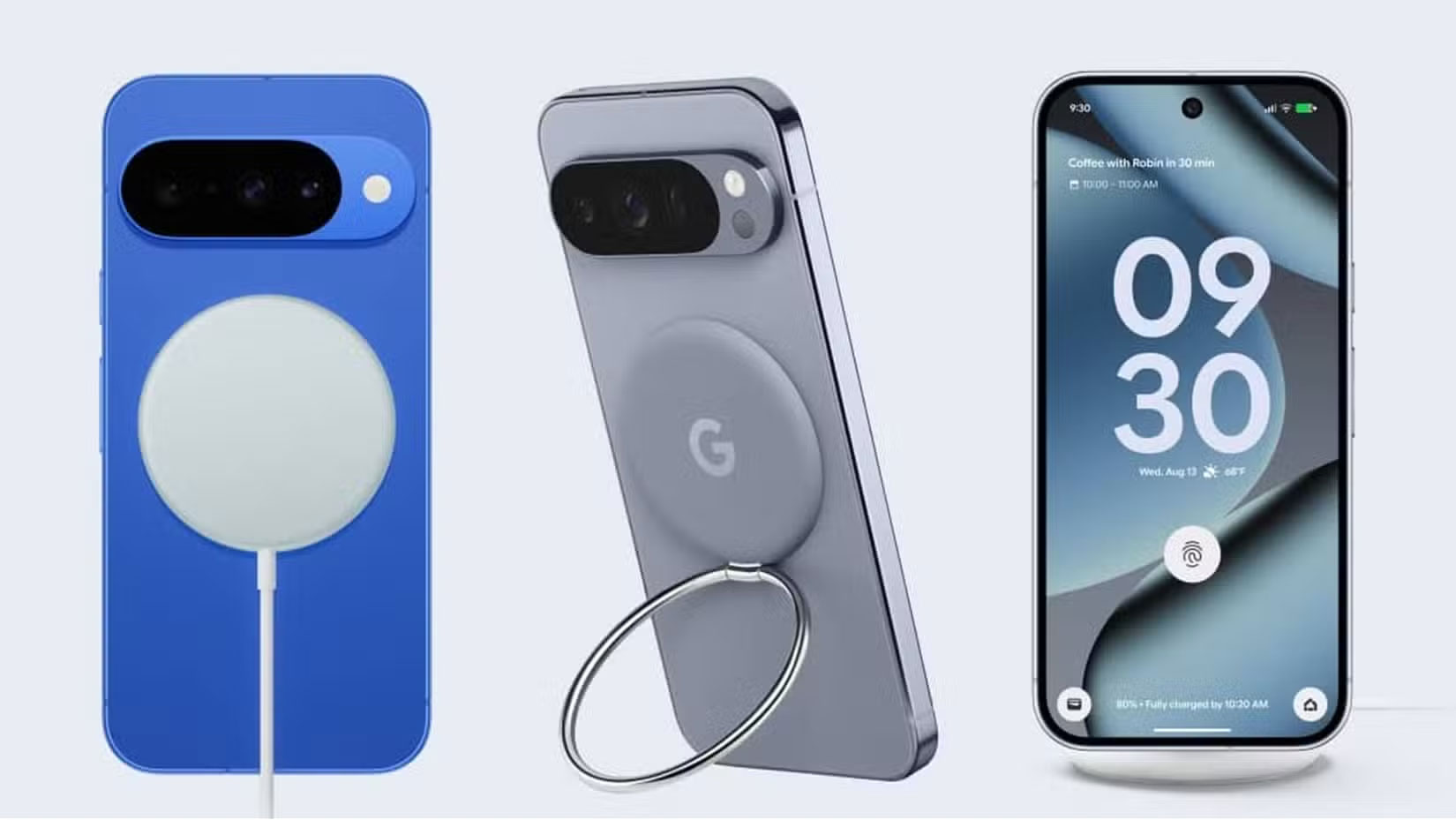
By introducing Pixelsnap, Google not only improves the wireless charging experience on Android, but essentially inherits the entire ecosystem of MagSafe-compatible accessories that currently works with Pixel devices. The magnets don't differentiate between iPhone and Android, they just work.
In practice, any MagSafe-compatible iPhone charger or wireless accessory will now work with the Pixel 10 lineup. Google has gone all in and integrated the magnets directly into the phone, making it the first major Android flagship to truly adopt what Apple brought to the iPhone in 2020.
Of course, Pixelsnap has other benefits as well. Thanks to Qi2, Pixel devices now get significantly faster wireless charging speeds. The Pixel 10 Pro XL can charge wirelessly at up to 25W. The rest of the Pixel 10 lineup, along with any other Qi2-compatible devices, only charge at 15W.
Previously, you needed the Pixel Stand to charge the Pixel 9 or earlier at the fastest wireless charging speeds. These chargers were limited to 23W on the Pixel 9 Pro XL, 21W on the Pixel 9 Pro, and 15W on the Pixel 9, with no support for the Pixel 9a. If you didn't want to shell out extra for Google's charger, you were limited to 15W across the entire Pixel 9 lineup and 7.5W on the Pixel 9a.
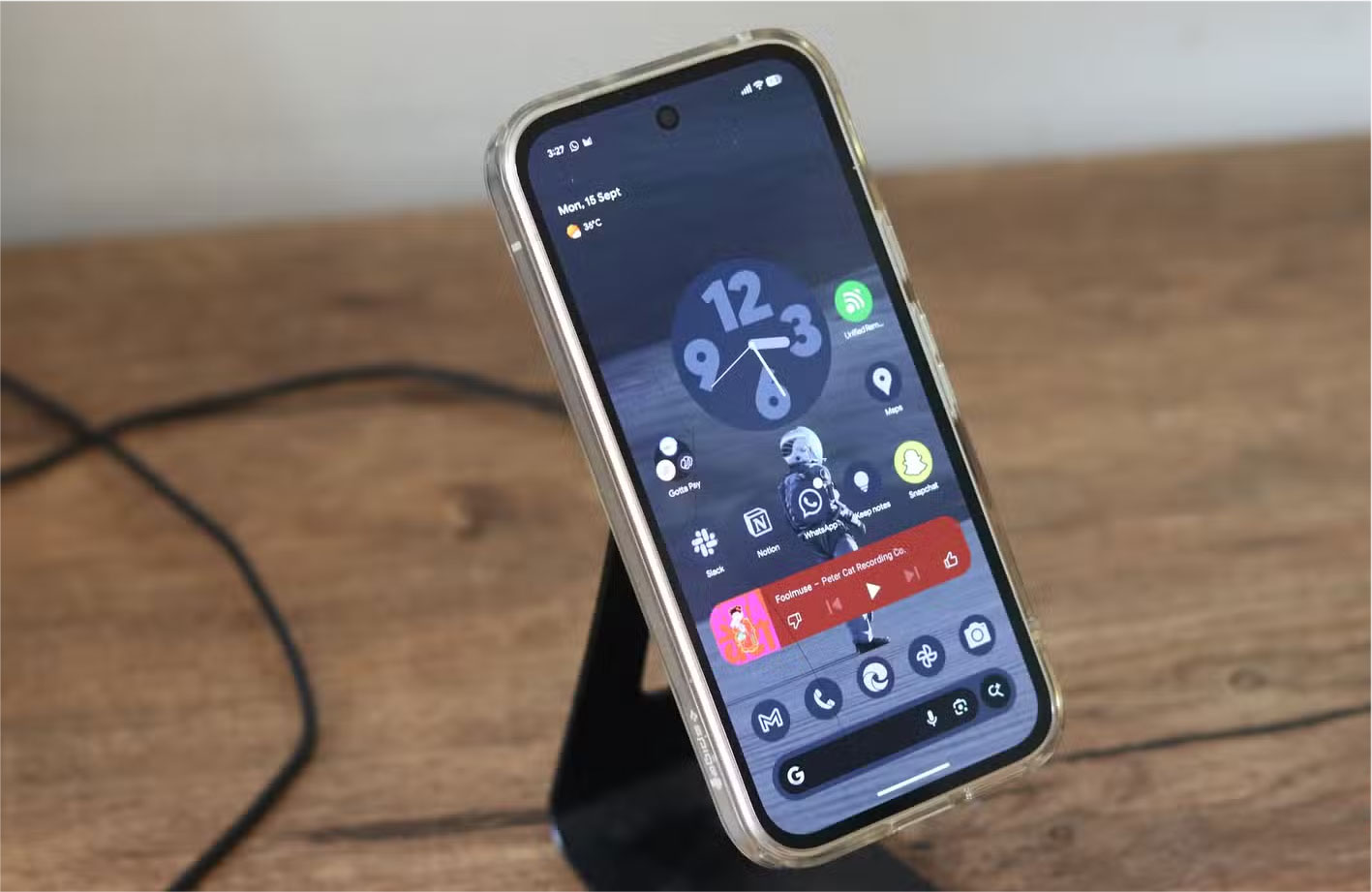
Pixelsnap has changed that. From now on, you'll be able to charge your Pixel 10 at full wireless speed with any Qi2 charger. This fixes one of the biggest reasons people go back to cables after trying wireless charging for a year.
Google, however, has found a way to get a feature exclusive to its Pixelsnap charger. The Pixel 10 line has a screensaver exclusive to the Pixelsnap charger, which can display controls and information like home controls, weather, a clock, and custom wallpapers when docked. It's a version of Apple's Nightstand mode, and while it's generally more useful, many people still prefer Apple's implementation.
Pixelsnap is more than just charging
Google is also rolling out its own magnetic accessories. You can buy the Pixelsnap charger, Pixelsnap charger with stand, and Pixelsnap ring stand for $39.99, $69.99, and $29.99, respectively. There's also a selection of Pixelsnap-compatible cases from both Google and third-party manufacturers on the Google Store.
Google has opened up Pixelsnap to third-party manufacturers, which means we'll likely see more magnetic accessories for the Pixel 10 series. These accessories work both ways, so whether a magnetic accessory or charger is made for MagSafe or Pixelsnap, it will work on both iPhones and Android phones.
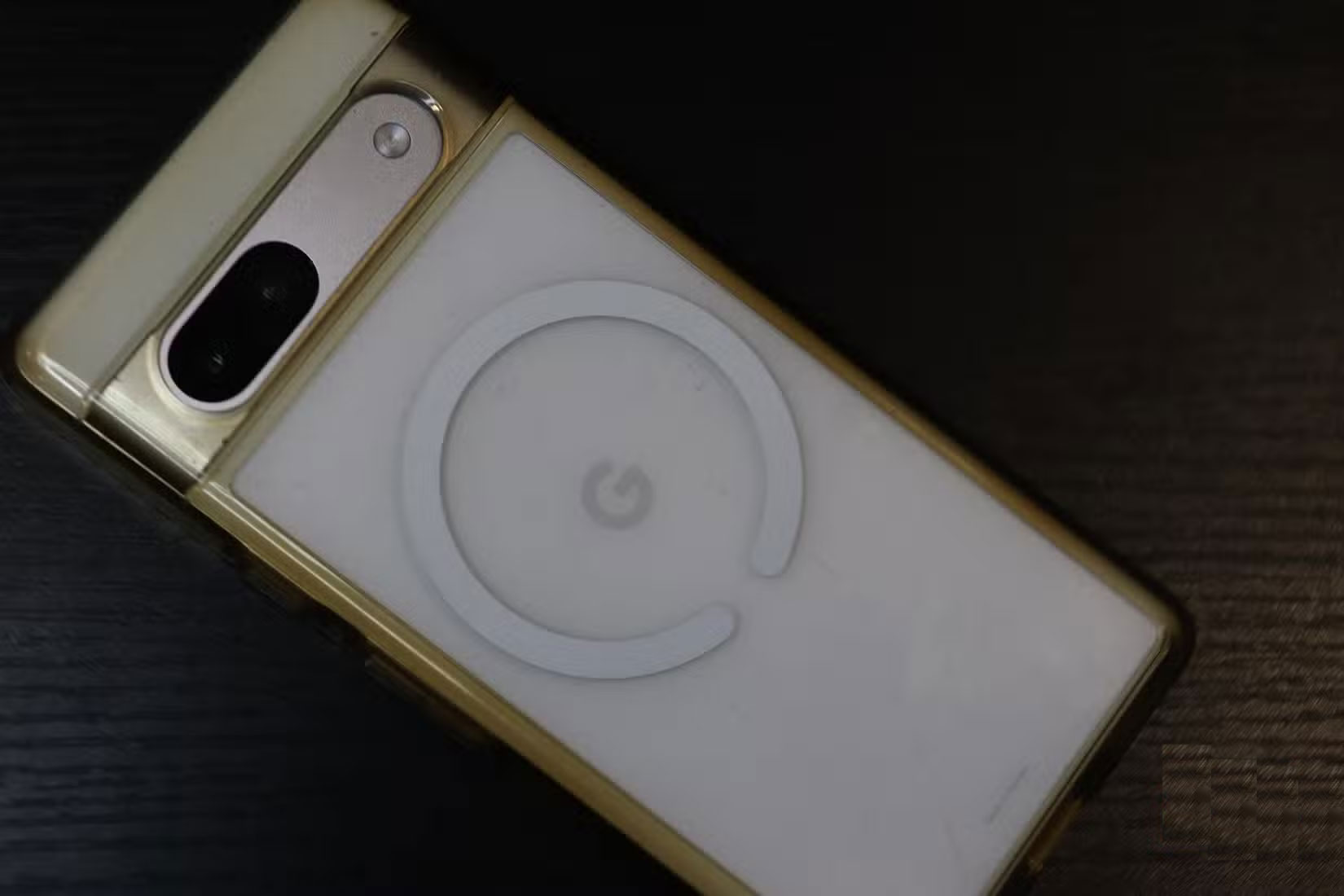
The Pixelsnap could also be the catalyst that finally brings Qi2 to mainstream Android phones. When a company like Google commits to integrating magnets and launching a comprehensive line of accessories, other manufacturers are sure to take notice.
For example, Samsung's Galaxy S25 series already supports "Qi2 Ready" functionality, but only through specific cases. But for a flagship phone, that's not enough. Especially when you can add the same functionality to any wireless charging-compatible phone with a magnet or a case. There's also a big difference between being Qi2 Ready and being Qi2 Certified.
Magnetic charging may not sound as exciting as AI features or camera upgrades, but it's the kind of fundamental innovation that enhances your everyday user experience in ways you won't fully appreciate until you own it.
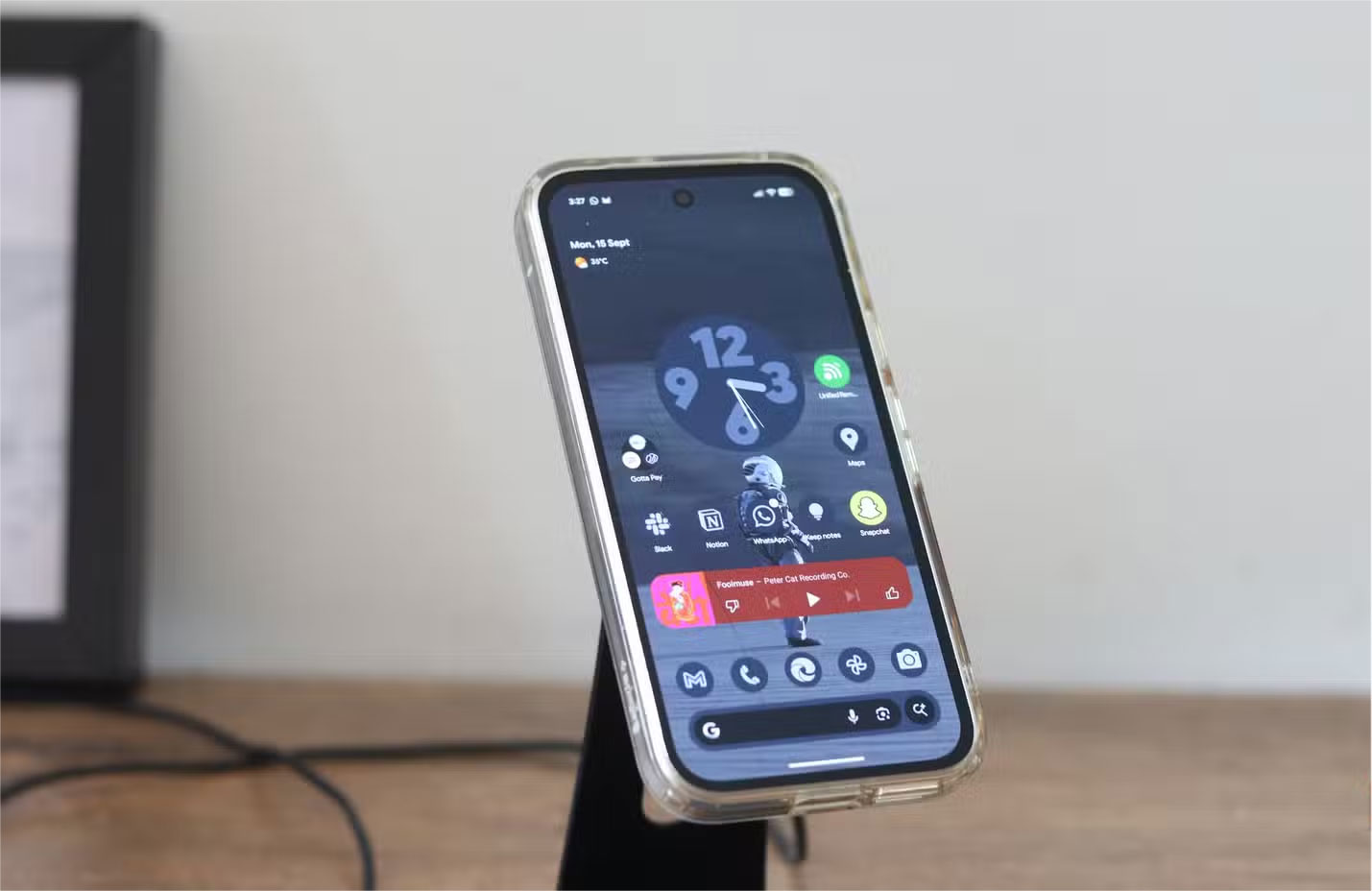
The perfect alignment, heat dissipation, compatibility with multiple accessories, and convenience of a magnetic charging pad are really more than just flashy features. They make wireless charging reliable and are part of the reason many people decide to go wireless.
The Pixel 10's Pixelsnap could be the feature that makes wireless charging go mainstream as other Android manufacturers race to compete with Google. Given the diversity of the Android ecosystem, it's possible we could see one of the few unique iPhone features disappear overnight. If that's not a big deal, who knows what will.
FAQ
Why the Pixel 10's Pixelsnap Makes More Sense Than You Think: Complete Guide?
In practical terms, google's Pixel 10 series is here and one of the big highlights is the latest feature added to the Pixel series - Pixelsnap.
What factors are most important?
The article highlights that the Pixel 10 line has a screensaver exclusive to the Pixelsnap charger, which can display controls and information like home controls, weather, a clock, and custom wallpapers when docked.
What is the main takeaway?
The main takeaway is that the Pixel 10's Pixelsnap could be the feature that makes wireless charging go mainstream as other Android manufacturers race to compete with Google.
Related Articles
 Real Video of Pixel 4 Control Without Touching3 minutes read
 Pixel and Pixel XL Duo Were Killed by Google3 minutes read
 Google Stops Production of Pixel 53 minutes read
 Google Has Just Revealed the Price of Pixel 4a and Pixel 5, Surprisingly3 minutes read
 Google Officially Launched 2 Mid-range Smartphones Pixel 3a and Pixel 3a XL20 minutes read
 HTC Is About to Refresh the Sense Interface on Android4 minutes read
Reader Comments 0
Sign in with email or Google to join the discussion.