Table of Contents
This updated guide examines Why Do Ants Often Move in a Row? and organizes the essential facts, background, and practical takeaways in clear American English.
Ants are creatures that organize herds. Due to the large number of ants, the move or coordination needs to be organized. Moving in long lines is also a manifestation of fellow cognitive behavior and leads the way through taste.
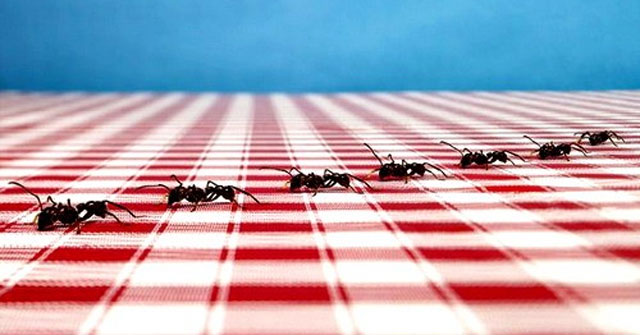
Specifically, when an ant finds food, it will bring a small part to the nest. On the way, that ant will secrete a chemical called pheromone. The pheromone smell of each colony, the ant species are different to distinguish them from other colonies.
Following this pheromone trail, the other ants in the herd can find food. Because the pheromone is volatile, the ant that travels ahead will secrete this chemical so that the ants behind it can determine the location of food and the way back to the nest. This makes ants tending to line up.
The movement in rows also helps ants easily touch their heads, body contact to identify members of the herd through checking pheromone smells of the same species. If any ants of another herd are found, they will immediately scare off strangers.
FAQ
What is Why Do Ants Often Move in a Row about?
It provides a structured overview of ants, explains the main context, and highlights practical takeaways for readers.
Why does this topic matter?
Understanding the main concepts helps readers evaluate the issue, avoid common mistakes, and make better-informed decisions.
How should readers use this information?
Use the guidance as a practical starting point, confirm details that may have changed, and follow current product, safety, or security recommendations.
Related Articles
 12 Tips for Chasing Ants Away from Home Simply and Safely for Health8 minutes read
 Army Ants: The World's Most Dangerous Ants4 minutes read
 15 Ways to Effectively Kill Ants8 minutes read
 Before There Were Wing Ants to Ride, Ant-man Had to Use... Rubber3 minutes read
 How to Prevent and Deal with the Three Burning Chambers4 minutes read
 Mistakes Caused the Wound Due to Ants Burning Three Long Burning4 minutes read
Reader Comments 0
Sign in with email or Google to join the discussion.